






Brock Lesnar’s Shocking WWE Comeback Sparks Outrage — Janel Grant’s Rep Says It’s a Cover-Up Move
In the ever-unpredictable world of professional wrestling, Brock Lesnar has always been one of the most polarizing figures. Known for his explosive in-ring style, brutal strength, and larger-than-life persona, Lesnar has been the centerpiece of some of WWE’s most talked-about moments. But his shocking return to the company has triggered a storm of controversy that has nothing to do with scripted rivalries or title chases. Instead, the uproar stems from the timing of his comeback, which many believe is linked to the ongoing Janel Grant lawsuit — a case that has been casting a dark shadow over the company for months. According to Janel Grant’s representative, Lesnar’s re-emergence is nothing more than a “cover-up move,” strategically executed to divert public attention from the serious allegations facing WWE.
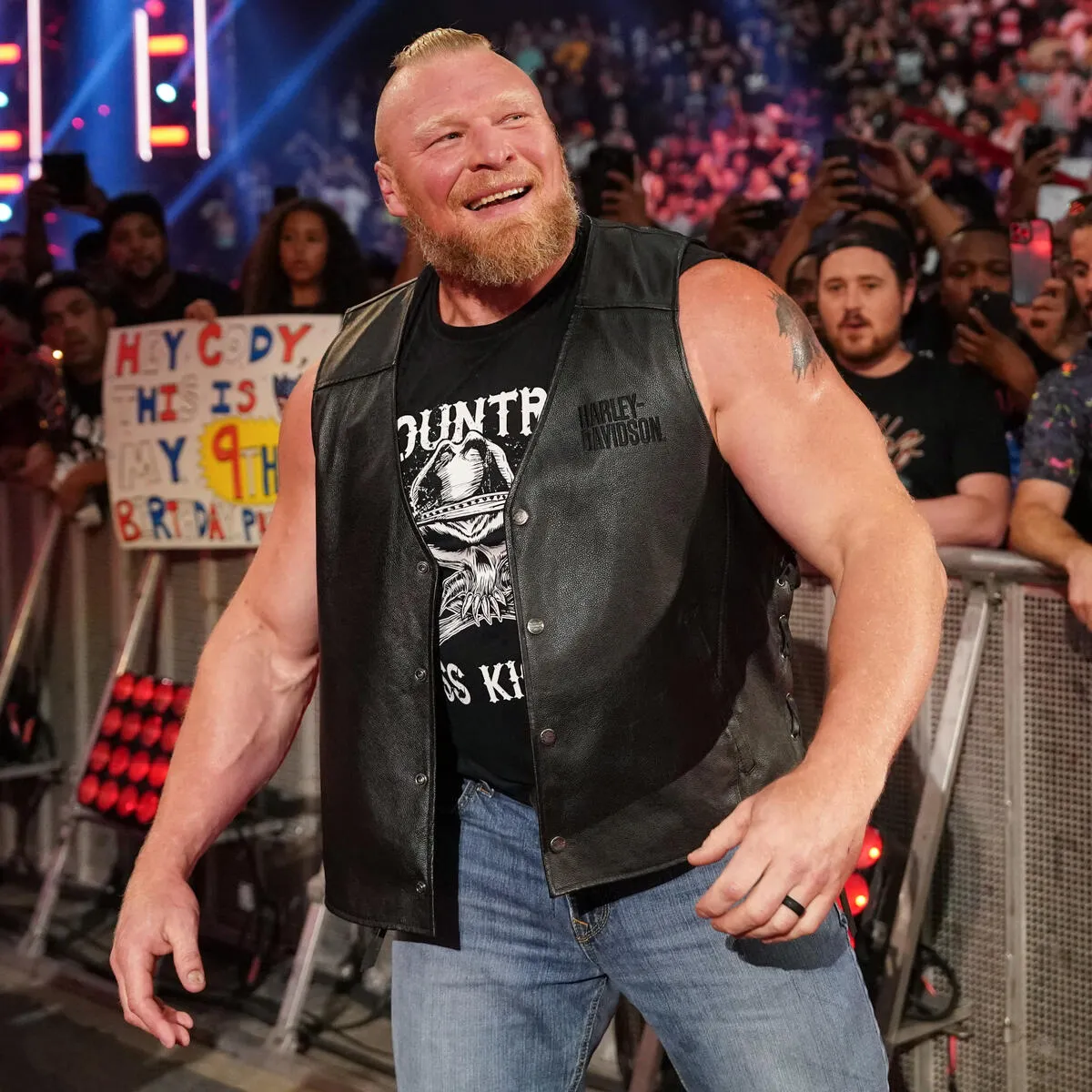
The Context of Lesnar’s Return
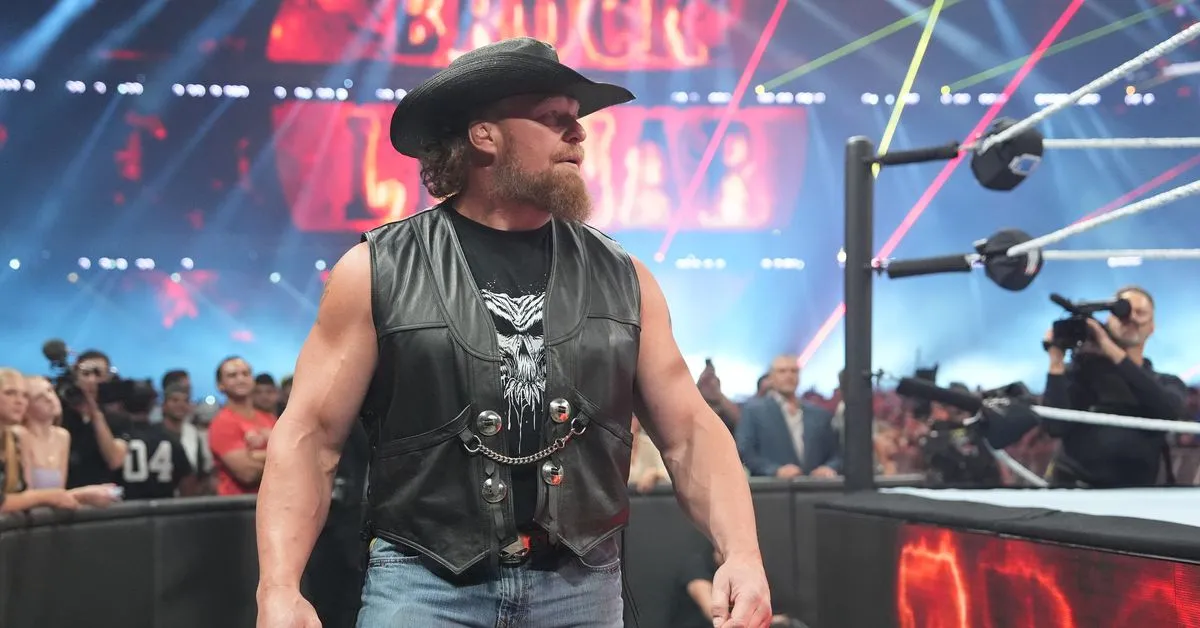
When Brock Lesnar made his sudden appearance at the latest WWE event, the wrestling community was caught off guard. There had been whispers of his comeback for weeks, but nothing confirmed. As his music hit and the crowd erupted in a mix of cheers and gasps, it was clear WWE intended this as a big moment — a return of one of their most bankable stars. Yet, not everyone in the arena or watching at home was excited. The return coincided almost exactly with a series of damaging revelations from the Janel Grant lawsuit, prompting many to question WWE’s motives.
Lesnar had been absent from WWE programming for several months, reportedly due to “creative breaks” and contractual negotiations. However, insiders suggest his hiatus was partly influenced by the growing legal troubles surrounding the company. By bringing him back at this specific moment, critics argue, WWE is attempting to use Lesnar’s star power as a distraction, hoping that media headlines would shift from courtrooms to arenas.
Janel Grant’s Allegations Against WWE
To fully grasp the outrage over Lesnar’s comeback, it’s essential to understand the gravity of the Janel Grant case. Grant, a former WWE employee, has filed a lawsuit alleging serious misconduct and institutional negligence within the company. Her claims include workplace harassment, exploitation, and a culture of silence that has allowed abusive behavior to thrive. These allegations have rocked WWE to its core, raising questions about its internal policies and the integrity of its leadership.
Grant’s representative has been particularly vocal in condemning WWE’s recent actions, stating that the company is attempting to “mask its systemic problems” by shifting the public narrative. According to her team, bringing back Brock Lesnar — one of the most recognizable figures in wrestling history — is not just a business move, but a deliberate strategy to bury the story of her lawsuit under the spectacle of sports entertainment.
The Public Outcry
The backlash was swift and fierce. Social media platforms erupted with fans and industry insiders weighing in on the situation. Many expressed disgust over WWE’s decision to seemingly prioritize profit and ratings over addressing serious allegations. The hashtag #JusticeForJanel began trending shortly after Lesnar’s return, with thousands demanding accountability from WWE’s top executives.
Longtime fans of the company are split. Some argue that Lesnar’s return is purely a business decision and has nothing to do with the ongoing lawsuit. Others, however, see it as a blatant attempt to manipulate public perception. “You can’t just bring back Brock Lesnar and expect people to forget about Janel Grant,” one fan wrote on Twitter. “This feels like WWE is trying to silence the conversation by distracting us with a shiny object.”
The outrage isn’t limited to social media. Wrestling journalists and legal analysts have also chimed in, pointing out the ethical implications of WWE’s actions. They question whether the company is prioritizing spectacle over substance, risking long-term reputational damage in exchange for a short-term boost in viewership.
Lesnar’s Role in WWE’s Crisis Management
It’s no secret that Brock Lesnar has long been WWE’s ace in the hole. Whenever ratings dip or major controversies threaten the company, bringing Lesnar back into the fold often provides a much-needed surge in attention. His mere presence sells tickets, boosts pay-per-view buys, and drives media coverage. But using him in this context — during an active legal battle involving claims of harassment and abuse — raises profound ethical questions.
By returning at this juncture, Lesnar has inadvertently (or perhaps knowingly) become a central figure in WWE’s crisis management strategy. It’s a role he’s unlikely to address publicly, as Lesnar is notoriously private and rarely comments on corporate matters. Yet, his involvement underscores how WWE is leveraging its biggest stars to navigate one of the most tumultuous periods in its history.
The Representative’s Response
In a statement released shortly after Lesnar’s return, Janel Grant’s representative condemned WWE’s actions, calling them “insulting and transparent.” The representative argued that the company is using Lesnar as a “smoke screen” to draw attention away from the serious issues raised in the lawsuit. “This isn’t about entertainment,” the statement read. “This is about accountability. Instead of addressing the deep-rooted problems within their organization, WWE has chosen to parade out one of their biggest stars to shift the conversation. It’s a cover-up, plain and simple.”
This statement has only added fuel to the fire, emboldening critics who believe WWE is mishandling the situation. Legal experts also suggest that such a strategy could backfire, as it might be interpreted as an attempt to influence public opinion during active litigation — a move that courts typically frown upon.
The Ethical Dilemma for WWE
The timing of Brock Lesnar’s comeback has placed WWE in a precarious position. On one hand, the company has a business imperative to keep fans engaged, especially as it faces stiff competition from rival promotions. On the other, it has a moral and ethical obligation to take Janel Grant’s allegations seriously and demonstrate that it values justice over ratings. Balancing these conflicting priorities has proven challenging, and the backlash suggests WWE may have miscalculated.
Industry insiders speculate that WWE executives hoped Lesnar’s return would overshadow the lawsuit in the public eye. But the opposite has happened. Instead of diffusing the controversy, it has amplified it, sparking new conversations about how companies handle high-profile allegations and the lengths they will go to protect their brand.
What’s Next for Brock Lesnar and WWE?
The fallout from this controversy is still unfolding. Brock Lesnar remains a top draw, but his involvement in this situation could tarnish his image. For years, Lesnar has been portrayed as an unstoppable force in the ring, a symbol of dominance and resilience. But now, he risks being seen as a pawn in WWE’s corporate strategy — a perception that could alienate even his most loyal supporters.
For WWE, the stakes are even higher. The company faces mounting pressure to address the Janel Grant lawsuit with transparency and integrity. Critics are calling for independent investigations, public accountability, and meaningful reforms. If WWE fails to take these steps, it risks losing the trust of its fans, sponsors, and partners — damage that no single superstar, not even Brock Lesnar, can repair.
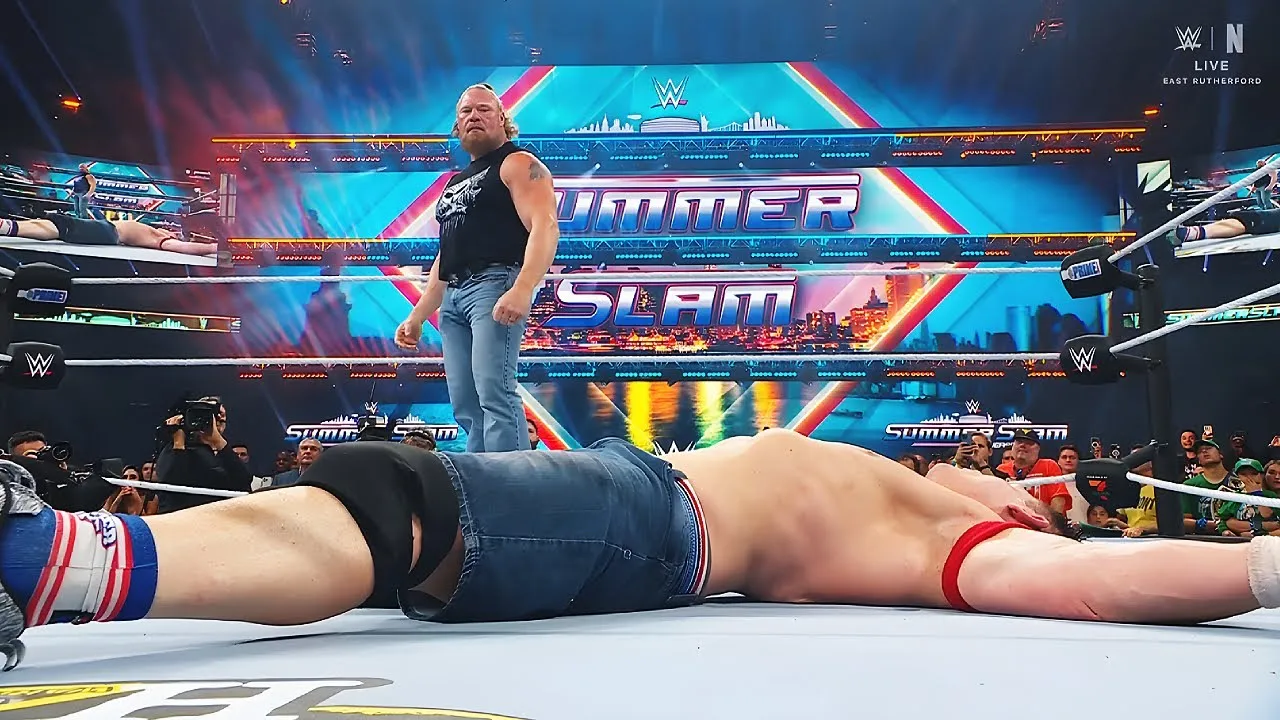
Conclusion: A Moment of Reckoning
Brock Lesnar’s shocking return to WWE was meant to be a triumphant moment, a reminder of the company’s ability to deliver jaw-dropping surprises. Instead, it has become a flashpoint in a larger debate about corporate accountability, ethics, and the intersection of entertainment and justice. Janel Grant’s representative has made it clear that this is far from over, framing Lesnar’s return as part of a calculated “cover-up move.” Whether that assessment proves accurate remains to be seen, but one thing is certain: WWE can no longer rely on spectacle alone to navigate its crises.
This moment represents more than just a storyline twist or a strategic booking decision. It’s a litmus test for WWE’s willingness to confront its internal problems head-on. For fans, wrestlers, and advocates like Janel Grant, the hope is that this controversy will lead to meaningful change — not just another headline buried beneath the roar of an arena crowd.
Related News