







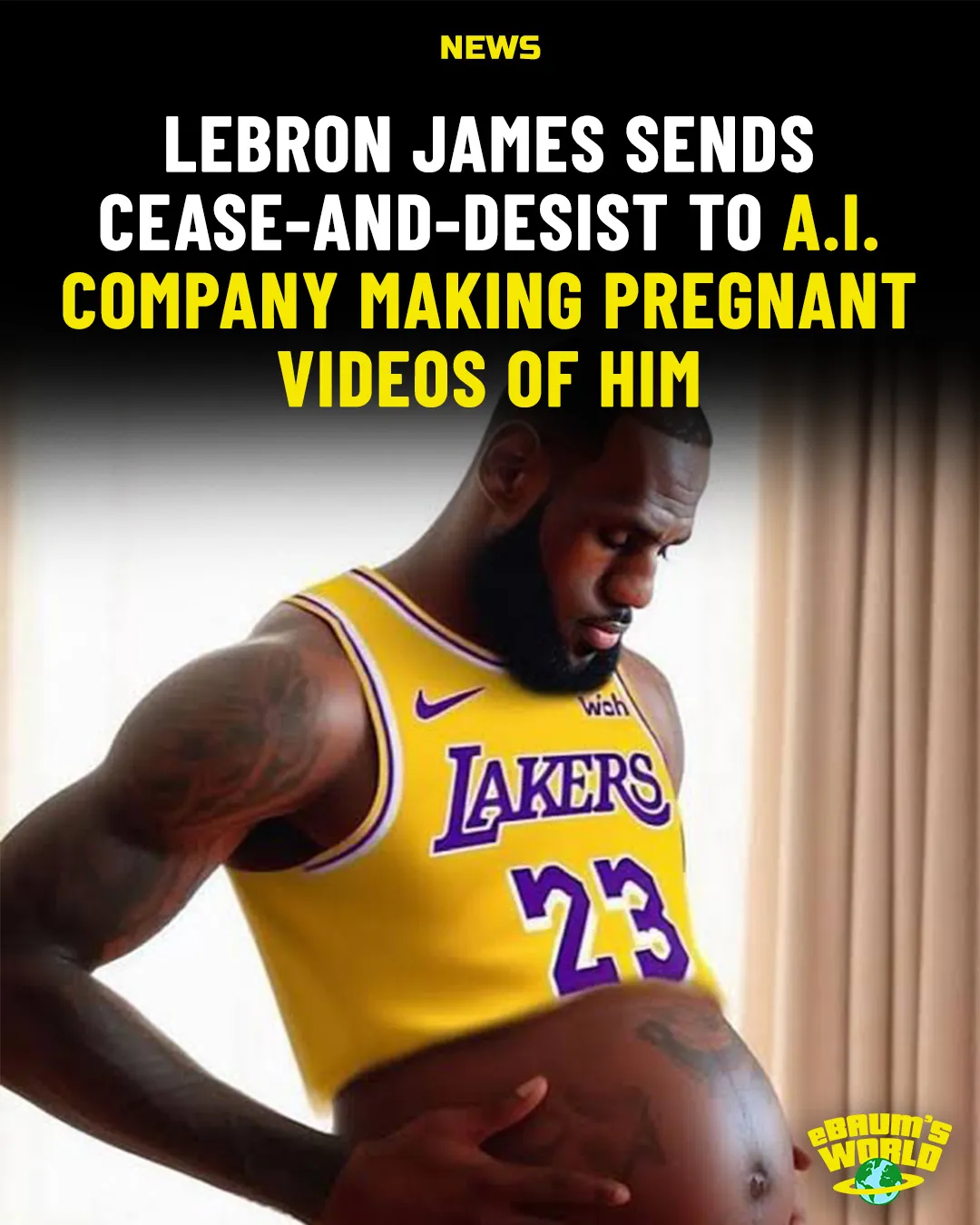
How AI Turned LeBron James Into a Ridiculous and Perverted Person Online?
In the age of digital innovation, artificial intelligence (AI) has become one of humanity’s most powerful tools. It’s shaping industries, improving lives, and redefining creativity. But as with all powerful technologies, AI has a dark side—a side where ethics blur, privacy is invaded, and identities are distorted for clicks and shock value.
No one is immune to this, not even global sports icons like LeBron James.
In mid-2025, LeBron James made headlines not for a triple-double performance, but for a disturbing legal battle involving deepfake videos that depicted him—falsely and grotesquely—as pregnant. What started as an internet meme spiraled into a widespread digital phenomenon, accumulating millions of views and raising critical questions about digital rights, AI ethics, and the legal protections for public figures.
The Viral Scandal: AI-Generated Pregnancy Videos
The internet exploded when AI-generated videos of LeBron James surfaced, portraying him in exaggerated and degrading scenarios—most notably as a pregnant man. These videos, hosted on platforms like FlickUp and reshared across TikTok, YouTube, and X (formerly Twitter), quickly gained traction for their absurdity.
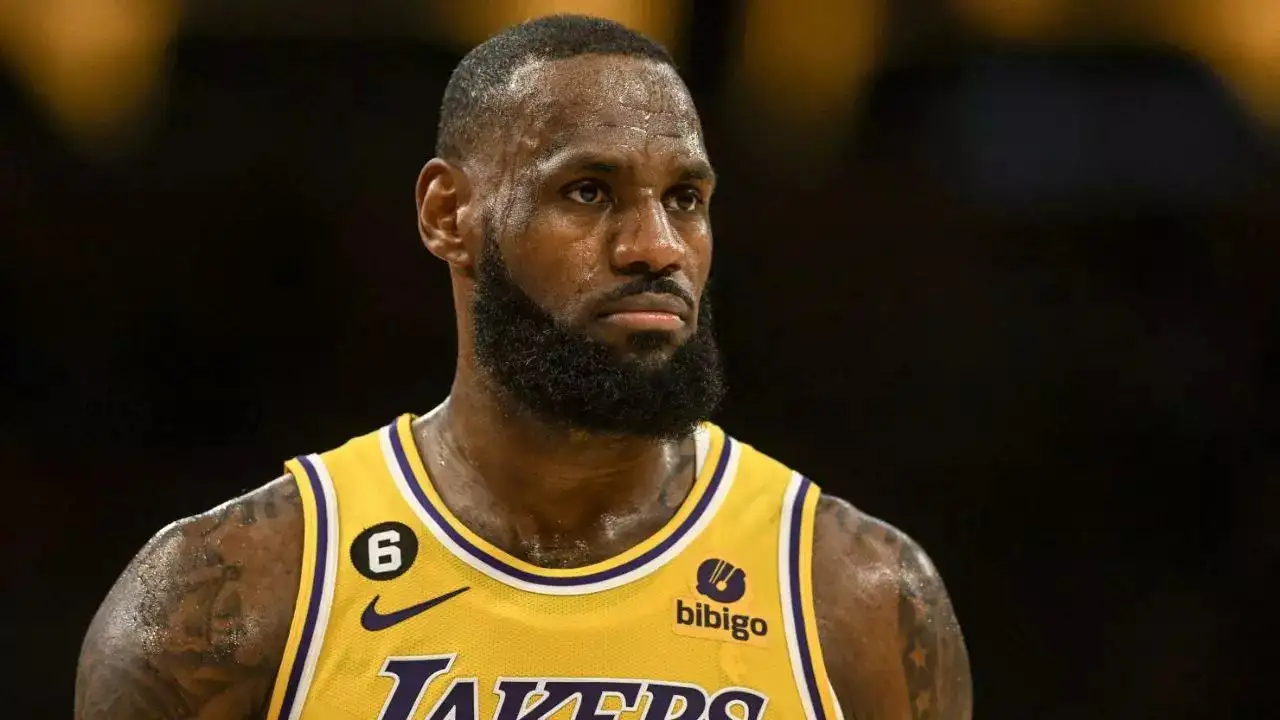
While many viewers may have dismissed the videos as harmless fun or surreal satire, LeBron and his legal team did not. They viewed it as a direct attack on his public image and dignity. According to reports, Jason Stacks, the founder of FlickUp, confirmed that LeBron’s attorneys had sent a cease-and-desist letter demanding that all AI-altered videos featuring James in this light be taken down immediately.
This is not just a celebrity having thin skin. It’s a pivotal moment in the conversation about AI misuse and the boundaries between creativity, parody, and defamation.
The Legal Grounds: What is “Likeness Protection”?
LeBron’s legal action is grounded in the right to protect his “likeness.” In legal terms, a person’s likeness includes their name, image, voice, and other personal attributes that make them identifiable. Misusing someone’s likeness—especially for commercial purposes or in a defamatory context—can be grounds for lawsuits in many countries, particularly in the United States where such rights are taken seriously.
The challenge, however, lies in the gray area of parody and free speech. Is an AI-generated video that depicts a celebrity in a ridiculous scenario a form of parody? Or does it cross into defamation when it impacts their reputation and dignity?
In LeBron’s case, the pregnancy deepfakes weren’t part of a comedy sketch or social commentary. They were random, bizarre, and arguably degrading. The intention wasn’t to entertain through clever satire but to provoke and shock for views and engagement.
The Role of AI Platforms: FlickUp Under Fire
FlickUp, the AI video generation platform where the videos first gained momentum, has come under scrutiny. Jason Stacks, the company’s founder, confirmed that he received a formal legal notice from LeBron James’ attorneys a few weeks prior to the viral wave.
The platform, which allows users to create realistic AI-generated video content, has yet to implement robust moderation tools to prevent misuse. This raises ethical concerns: Should AI platforms be held accountable for the content users create, especially when it involves real people without their consent?
Tech experts argue that while innovation should be encouraged, the companies behind these tools must develop mechanisms to filter out potentially harmful or defamatory content. Without such safeguards, we risk enabling a new wave of digital defamation and identity theft at scale.
AI and the War on Celebrity Identity
LeBron James isn’t alone. Celebrities across the entertainment, sports, and political worlds have become frequent targets of AI-driven deepfakes. From Taylor Swift’s fake videos to manipulated footage of politicians saying outrageous things they never uttered, deepfakes are no longer isolated incidents—they’re a trend.
These videos can be incredibly convincing and spread rapidly, especially on platforms driven by viral engagement. As the technology becomes more accessible, the barrier to creating these manipulations is dropping. The implications? Public trust erodes, misinformation spreads, and real people suffer damage to their reputations.

In LeBron’s case, the pregnancy deepfakes weren’t just ridiculous—they were a form of digital harassment. They painted a picture that was not only false but embarrassing and humiliating.
Why This Matters: The Human Impact Beyond the Screen
For many, these AI videos might be nothing more than a passing joke. But for public figures like LeBron James, whose identity is both personal and a professional brand, the consequences are serious.
Imagine being the subject of a grotesque viral trend that distorts your image, mocks your masculinity, and leaves millions of people laughing at your expense. It’s not just reputation damage—it’s psychological and emotional warfare, all enabled by AI and encouraged by internet culture.
LeBron’s decision to take legal action is not just a personal move—it’s a precedent-setting action for all public figures navigating a digital world filled with synthetic content and blurred realities.
A Turning Point for Digital Law?
This case could mark a major turning point in how digital laws are enforced and updated. Current legislation around AI, privacy, and defamation is patchy at best, with many countries lacking clear guidelines.
Legal scholars argue that it’s time for a more robust framework to protect individuals from AI misuse. This includes:
-
Clear definitions of what constitutes AI defamation.
-
Stronger intellectual property laws to include likeness protection.
-
Accountability measures for tech platforms hosting AI content.
-
Consent requirements for generating deepfakes of real people.
If LeBron succeeds in his legal efforts, it could set a benchmark and encourage more celebrities to push back against unethical AI-generated content.
AI Ethics and the Future of Content Creation
The LeBron pregnancy deepfake scandal is more than a viral moment—it’s a warning. As AI becomes a dominant force in media, creators, tech companies, and lawmakers must work together to define ethical boundaries.
The question isn’t whether AI should be used for creative expression. It’s whether that expression should come at the cost of another person’s dignity.
There’s room for humor, parody, and fun—but there must also be room for consent, respect, and responsibility.
Conclusion: LeBron James vs. AI — More Than Just a Meme

LeBron James has built a legacy on the court with discipline, professionalism, and excellence. But his current battle isn’t about basketball—it’s about identity, ethics, and the urgent need to regulate AI technologies before they spiral beyond control.
This incident may seem like a joke to some, but it highlights a deeply unsettling reality: that anyone, no matter how powerful or respected, can become a digital caricature overnight.
In standing up against these AI-generated attacks, LeBron is not only defending his own image but also igniting a broader conversation about what kind of digital future we want to live in.
The world is watching. And this time, it’s not for the slam dunks.
Related News