




Bitter Over Being Robbed?” – G. Dep Finally Speaks Out on Lil Wayne and That Billion-View Hit!
INTRO – THE SAMPLE THAT WON’T DIE QUIETLY
What happens when a beat outlives its original voice? For fans of early-2000s hip-hop, G. Dep’s “Special Delivery” was more than just a club anthem—it was a moment. A Bronx-born, Harlem-polished sonic boom that announced its presence with marching drums and grimy bounce. But decades later, that same beat would reappear, repackaged and viral, in Lil Wayne’s 2018 hit “Uproar.”
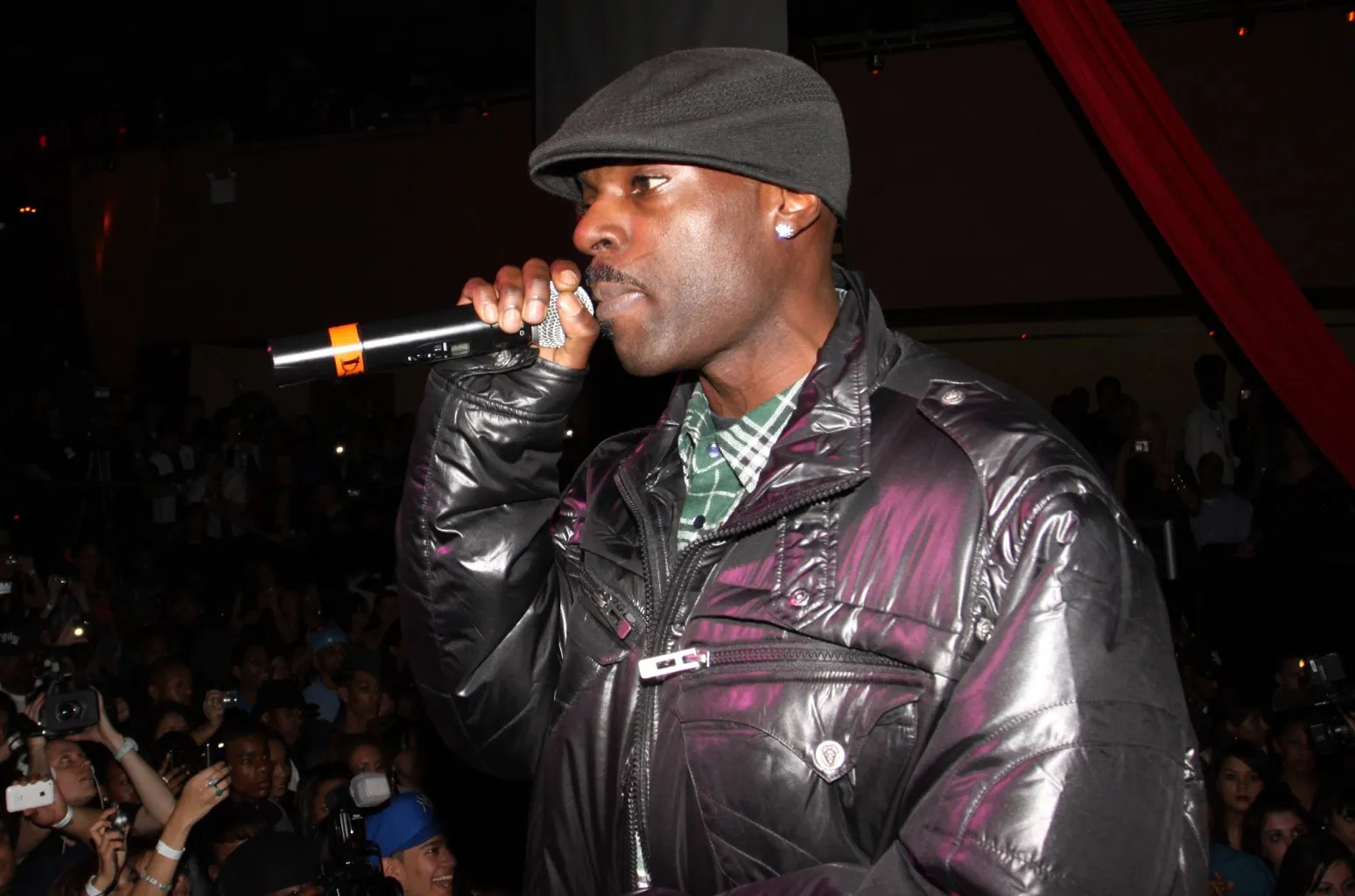
Now, in a rare public interview, G. Dep is finally speaking about how he really felt watching his legacy recycled, rebranded—and possibly forgotten. And while his tone is diplomatic, the undercurrent of frustration is real. “At first, yeah… I felt a little bitter,” he admitted on a recent episode of Drink Champs, his first major interview since his release from prison in 2023. And suddenly, a conversation the culture thought was buried—about sampling, respect, and authorship—has exploded back into the spotlight.
THE HISTORY BEHIND “SPECIAL DELIVERY” – A CLASSIC BEAT BORN IN HARLEM
Let’s rewind. Released in 2001 under Bad Boy Records, “Special Delivery” was G. Dep’s breakout single from his debut album Child of the Ghetto. Produced by EZ Elpee, the track was defined by its hard-hitting drums, chopped vocal stabs, and unforgettable rhythmic energy. It became a cult favorite, spawning one of hip-hop’s most iconic remix videos featuring Ghostface Killah, Keith Murray, and Craig Mack.
Although it wasn’t a chart-topping smash, “Special Delivery” lived on in DJ sets, mixtapes, and even social media challenges well into the 2010s.
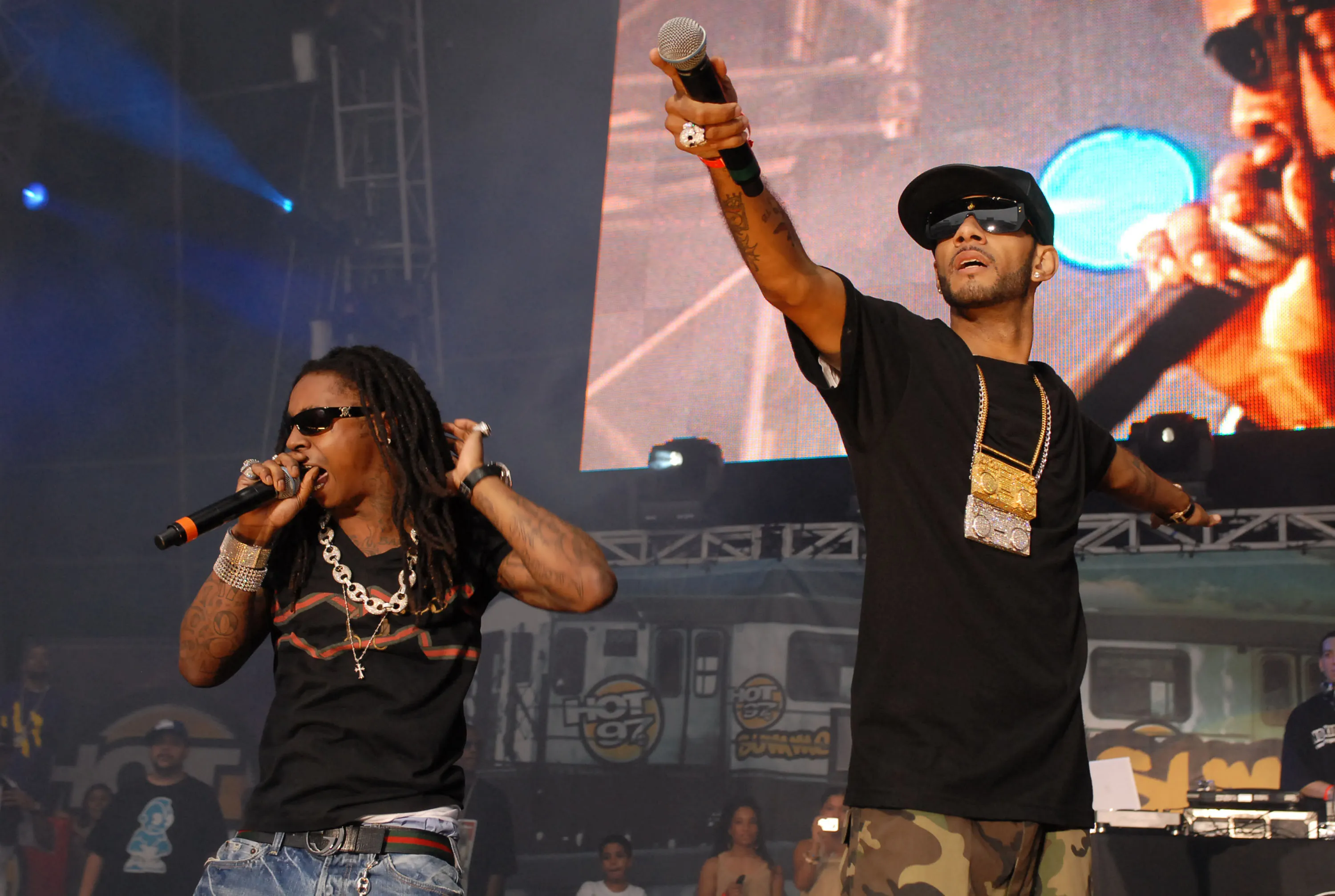
Fast forward to 2018. Lil Wayne drops Tha Carter V, and among its most infectious singles is “Uproar,” produced by Swizz Beatz. Almost immediately, fans recognized the beat. The resemblance wasn’t subtle—it was essentially the same bounce and skeleton as “Special Delivery,” just modernized and polished.
G. DEP SPEAKS: “BITTER AT FIRST… BUT THIS IS THE CULTURE”
In his Drink Champs interview, G. Dep was reflective and cautious—not angry, not accusatory, but clearly not indifferent. “I saw it, I heard it. You know what I mean? At first I was like, damn, okay, we just doing it like that?” he said, half-laughing. “But over time, I understood. That’s hip-hop. That’s how it go.”
He added that while he initially felt left out, he gradually came to see the use of “Special Delivery” as a sign of its lasting cultural value. That kind of legacy, he said, is “something you can’t fake.”
This perspective shocked some fans. G. Dep, after all, spent over a decade incarcerated after turning himself in for a cold-case homicide in 2010. Many assumed he was off the grid. But now, back in the spotlight, his words carry weight—especially when he touches on how fast the culture moves on from those who helped build it.
THE PRODUCER’S PERSPECTIVE: EZ ELPEE’S QUIET FRUSTRATION
While G. Dep took the high road, EZ Elpee, the producer behind “Special Delivery,” has voiced disappointment in past years about the lack of visible credit. In a 2018 interview with Genius, Elpee acknowledged that he wasn’t directly involved or credited in “Uproar,” despite the beat clearly echoing his work. “It’s my sound. It’s my bounce. No question,” Elpee said. “I respect Swizz, I respect Wayne… but it would’ve been nice to get a call.”
That quote alone stirred waves across producer forums and hip-hop communities. Even without a lawsuit, Elpee’s public statement added fuel to a quiet but important conversation in hip-hop: when does sampling cross into exploitation?
It’s important to clarify: “Uproar” was cleared legally. The publishing rights for “Special Delivery” were handled through Bad Boy’s parent company, and thus Wayne and Swizz likely followed industry protocols. But the question remains—why weren’t Elpee or G. Dep visibly credited on platforms like Spotify or YouTube?
In a genre where public acknowledgment equals legacy, this absence is more than an oversight—it’s a cultural erasure.
HIP-HOP’S SAMPLING DILEMMA: CELEBRATION OR SHADOWING?
Sampling has always been a cornerstone of hip-hop. From Kanye West’s sped-up soul loops to Dr. Dre’s G-funk interpolations, great producers have made careers out of transforming old into new. But that tradition comes with tension.
When is it tribute, and when is it theft? In a streaming-dominated era, when every click is monetized, visibility matters more than ever.
Swizz Beatz, to his credit, has acknowledged the influence of “Special Delivery” in interviews—although no official statement addresses why Elpee wasn’t included in the liner credits.
Was it label politics? A publishing technicality? Or just the industry being the industry—out with the old, in with the viral?
THE CULTURE RESPONDS: TWITTER, TIKTOK, AND THE RECEIPTS
After G. Dep’s Drink Champs appearance, hip-hop Twitter lit up with reactions:
“Wait… G. Dep wasn’t credited on Uproar?? That’s insane.”
“Swizz Beatz really flipped ‘Special Delivery’ and didn’t even shout out EZ Elpee? That’s grimey.”
“G. Dep handled this with so much grace. That man deserves his flowers.”
Even on TikTok, creators began comparing the two beats side-by-side, with many Gen Z fans shocked to learn “Uproar” wasn’t original. A trending hashtag—#SpecialDeliveryDeservesCredit—briefly gained traction, and content creators began exploring the legacy of early-2000s East Coast hip-hop.
WHAT DOES THIS MEAN FOR THE FUTURE OF HIP-HOP CREDIT?
The G. Dep–Wayne–Elpee triangle isn’t just a story about one beat. It’s a microcosm of a bigger industry issue: how black creators, especially from the early 2000s and late ‘90s, are often undercredited, underpaid, and forgotten as new waves of artists repurpose their art.
In this case, no lawsuits have been filed, no Twitter feuds launched. But the question lingers:
How many more “special deliveries” have already been made—and forgotten?
CONCLUSION: BITTER, BRAVE, OR BOTH?
G. Dep didn’t call out Lil Wayne. He didn’t slam Swizz Beatz. He didn’t tweet, rant, or demand anything. Instead, he offered something more nuanced—and maybe more powerful.
He reminded hip-hop that legacy is fragile, and acknowledgment matters, especially when your work lives on in billion-view formats without your name attached.
“I’m just glad the music still lives,” he said with a shrug. But in his eyes—behind the calm tone—you could still see it: a flicker of pain, maybe even pride. A reminder that behind every viral hit, there’s someone else’s fingerprint—waiting, watching, hoping not to be erased.