







The Exact Second Roman Reigns Redeemed Himself — The Babyface Turn Fans Say Changed Wrestling Forever
In the long and storied history of professional wrestling, few moments resonate as deeply as when a top star breaks through the noise of criticism, silences doubters, and wins the audience back. For Roman Reigns, this moment — the instant that fans can point to as the exact second he redeemed himself — has become the stuff of wrestling folklore. It wasn’t just another shift in character or a storyline twist; it was a seismic change that reshaped how modern wrestling is perceived. It was the babyface turn that, according to countless fans and analysts, changed wrestling forever.
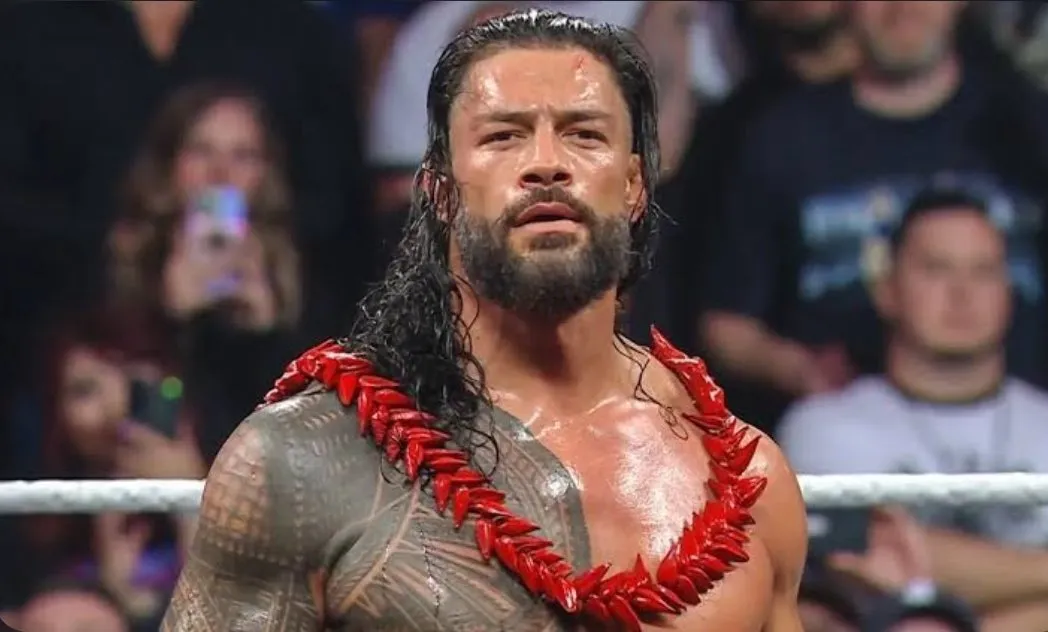
Roman Reigns: From Polarizing Star to Industry Standard
For years, Roman Reigns was a divisive figure in WWE. Pushed as the company’s top star after the breakup of The Shield, his meteoric rise was met with equal parts admiration and resentment. To some, he represented the future of wrestling: charismatic, athletic, and marketable. To others, he symbolized the corporate machine — a wrestler handpicked by management, rather than someone organically embraced by the fans. This tension followed him into every arena, with reactions often split between boisterous cheers and deafening boos.
His initial babyface run, beginning in 2014, felt manufactured. No matter how many main-event opportunities he received, no matter how many high-profile victories he secured, the disconnect with audiences persisted. Fans were not rejecting Roman Reigns the performer; they were rejecting Roman Reigns the WWE creation. The man who was meant to be their hero became, in their eyes, the symbol of everything wrong with modern wrestling booking.
And yet, through this backlash, Reigns persevered. He continued to refine his craft, embracing the criticisms and using them as fuel. But it was not until one pivotal moment — one second — that everything changed.
The Moment That Changed Everything
The exact second Roman Reigns redeemed himself is etched into the memories of wrestling fans worldwide. It was not just an in-ring maneuver, a promo, or a storyline payoff. It was an emotional and symbolic moment when kayfabe collided with reality, breaking down the barriers between performer and audience.
Fans often point to his return after his battle with leukemia in 2019 as the true turning point. When Reigns stepped into the ring on that night, announcing that his leukemia was in remission, the reaction was unlike anything he had experienced before. In that one instant, the crowd saw the man behind the character. Roman was no longer the corporate face of WWE; he was a survivor, a fighter, and a human being. The authenticity of that moment — a real-life struggle playing out in the very arena where fictional rivalries are staged — created an unspoken bond between Reigns and the audience.
This was the beginning of his redemption arc. But the real babyface turn wasn’t about simply earning sympathy. It was about redefining who Roman Reigns was.
A Babyface Turn Like No Other
Traditionally, a babyface turn follows a predictable formula: a betrayal by a partner, a sudden act of bravery, or a heartfelt promo aimed at winning over the crowd. But Reigns’ turn broke the mold. It wasn’t forced. It wasn’t scripted in a way that insulted fans’ intelligence. Instead, it evolved naturally, fueled by his personal journey and his willingness to embrace vulnerability.
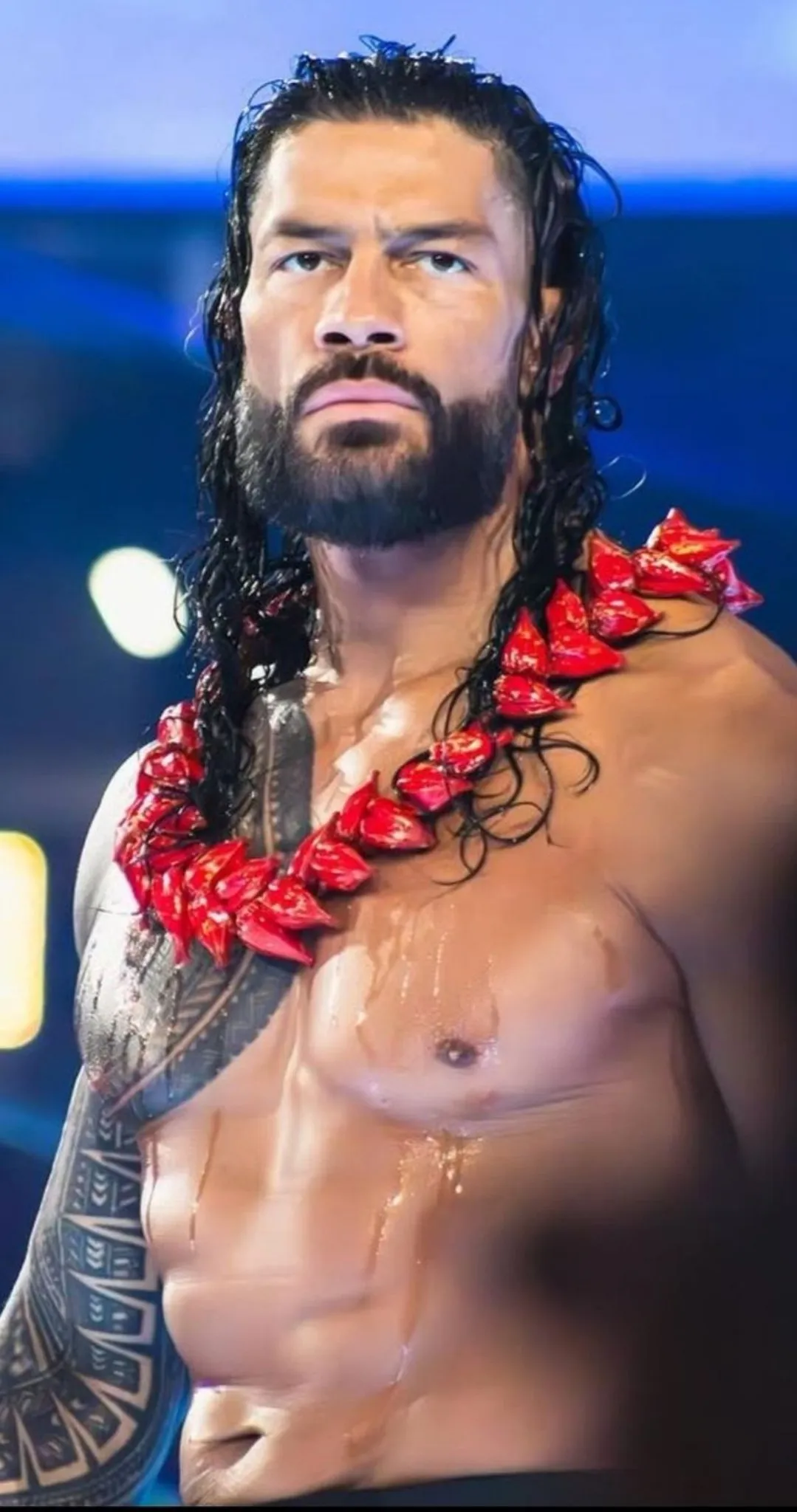
This was not the Roman Reigns of the “suffering succotash” promos. This was a Roman who had faced his own mortality and come out stronger. He was authentic, grounded, and suddenly, the audience saw him as one of them. The Tribal Chief persona that emerged later would solidify his status as an all-time great, but this moment — the second he returned, humbled yet powerful — is when the audience finally chose to believe in him.
It wasn’t a case of the company telling fans, “Here’s your hero.” It was the fans deciding, on their own, that Roman Reigns had earned their respect.
Why This Moment Redefined Wrestling
To understand why this babyface turn is hailed as a watershed moment in wrestling history, you need to consider the broader context of the industry. For years, wrestling had struggled with authenticity. Fans, more educated than ever about the inner workings of the business, had grown tired of manufactured heroes and predictable storylines.
Roman’s redemption broke through that cynicism. It demonstrated that wrestling could still produce moments that feel real, that could bring fans together in unison. In that second, when Roman revealed himself not as a character but as Joe Anoa’i, the man behind the persona, the entire wrestling world shifted.
Suddenly, there was no heel or face. There was just a man who had conquered something bigger than wrestling, standing in front of an audience who understood his journey. It blurred the lines between fiction and reality in a way that few wrestling moments ever have.
This is why fans say this changed wrestling forever. It wasn’t just about Roman; it was about the relationship between performer and audience, about the potential for wrestling to tell stories that transcend the ring.
The Impact on WWE and Beyond
The ramifications of this redemption extended far beyond one performer. WWE, often criticized for ignoring fan sentiment, learned an invaluable lesson: authenticity sells. The days of pushing wrestlers simply because they “look the part” were challenged by Roman’s journey.
His comeback and subsequent character evolution into The Tribal Chief became one of the most compelling arcs in modern wrestling history. It proved that wrestlers could embrace complex, layered personas that connected deeply with audiences on multiple levels.
Other companies took note as well. Promotions like AEW, NJPW, and even smaller independent circuits began prioritizing authenticity in their storytelling. Wrestlers were given more freedom to draw from real-life experiences, blurring the lines between character and performer in ways that kept fans emotionally invested.
Fans Finally Got What They Wanted
For years, fans had demanded that WWE listen to them, that they stop forcing narratives and instead allow characters to evolve organically. Roman’s redemption represented the fulfillment of that wish. It wasn’t about Roman becoming the fans’ “chosen one”; it was about Roman earning that position through authenticity and resilience.
The reactions in arenas across the world proved it. The boos that once drowned him out were replaced by genuine cheers. Fans who once held up anti-Roman signs now wore his merchandise proudly. The collective wrestling community agreed: this was not the Roman Reigns of old. This was a man who had become the heart of WWE.

The Legacy of Roman’s Redemption
Looking back, the babyface turn of Roman Reigns is more than a chapter in his career. It is a lesson for the wrestling industry as a whole. It showed that no matter how scripted or choreographed the product may be, the most powerful moments in wrestling come from a place of truth.
Roman’s journey from polarizing figure to beloved icon will be studied for years to come. It is a blueprint for how wrestlers can overcome creative missteps, personal struggles, and fan rejection to ultimately become legends.
This is why fans say it changed wrestling forever. It wasn’t just about Roman reclaiming his place in the hearts of the WWE Universe. It was about redefining what professional wrestling could be in the modern era — a platform where real-life stories and larger-than-life characters can coexist, creating moments that no other form of entertainment can replicate.
Related News