







I’m Never Coming Back” – Yet Tyson Fury Still Haunts the Heavyweight Division! What’s Going On?
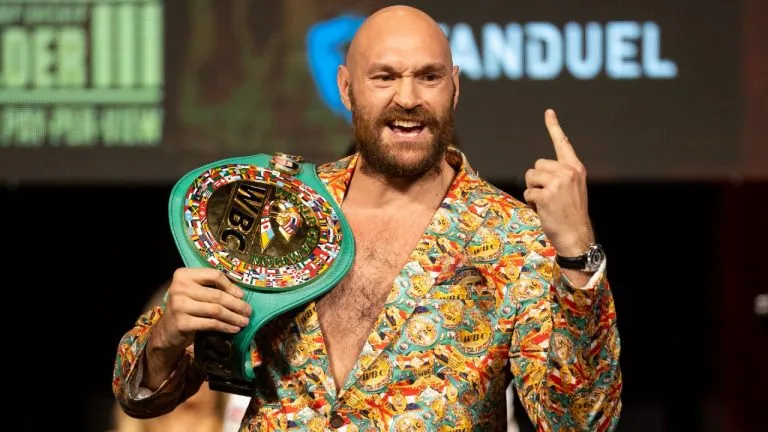
He said he was done. He screamed it to the world: “I’m never coming back.” Yet here we are—August 2025—and Tyson Fury still sits atop the Ring Magazine’s heavyweight rankings. No belts, no confirmed comeback, not even an active fight contract. Just presence. A lingering shadow. A name that refuses to fade. Why is a retired, defeated, and disengaged fighter still haunting the very division he walked away from?
Fury’s Last Fight Didn’t End the Story—It Ignited It
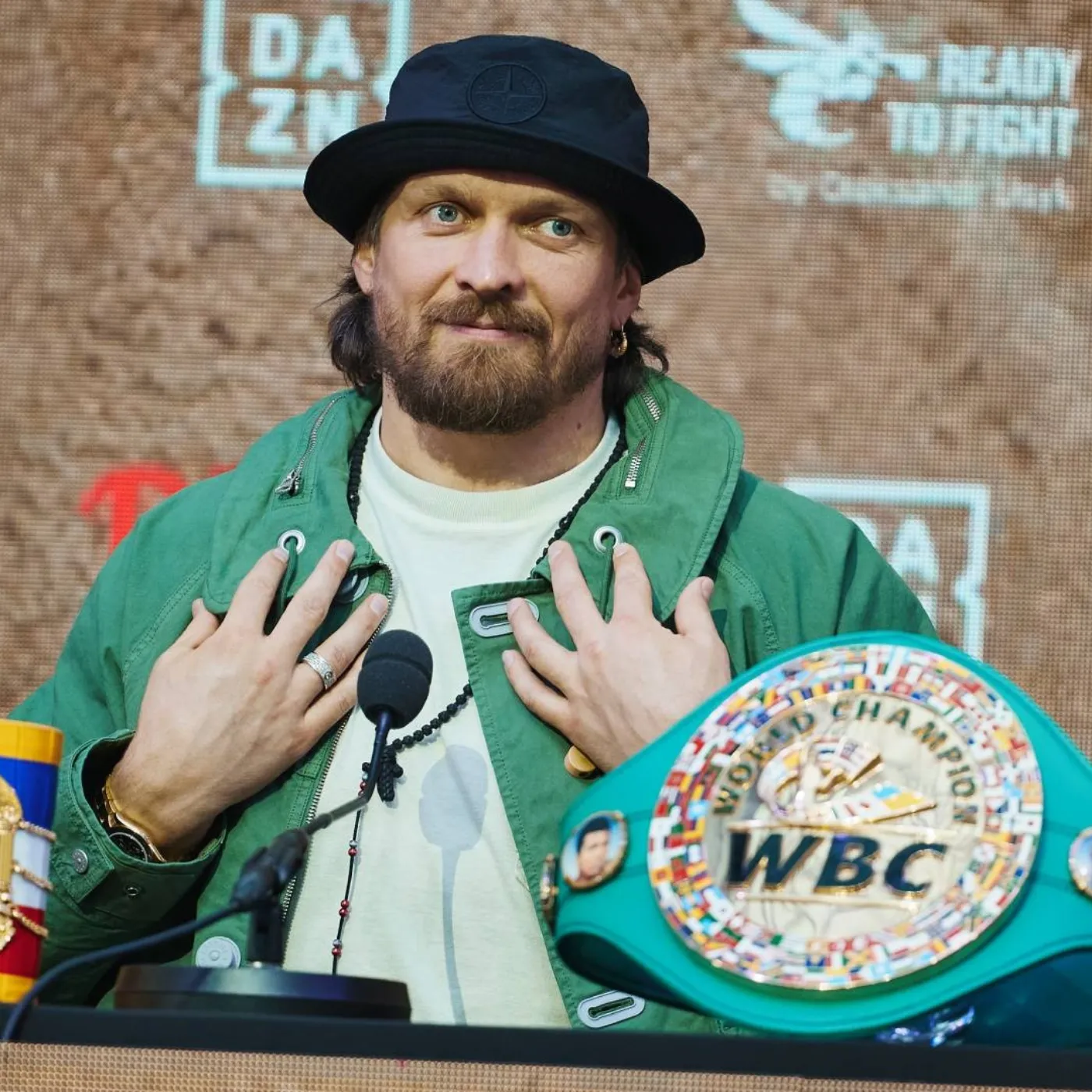
When Tyson Fury faced Oleksandr Usyk for the undisputed heavyweight championship, the outcome was supposed to mark the end of an era. Fury, previously undefeated, walked away with a bitter taste: two consecutive losses to the Ukrainian maestro, each more humbling than the last. But what no one expected was that despite those defeats, Fury would still be ranked the No. 1 contender in the most respected boxing ranking system—Ring Magazine.
You read that right: even with two recent losses and an official retirement statement, Fury is still considered the top threat in a division full of younger, active, and seemingly more “hungry” fighters. And that raises the question: What does the boxing world see in Fury that just won’t let him go?
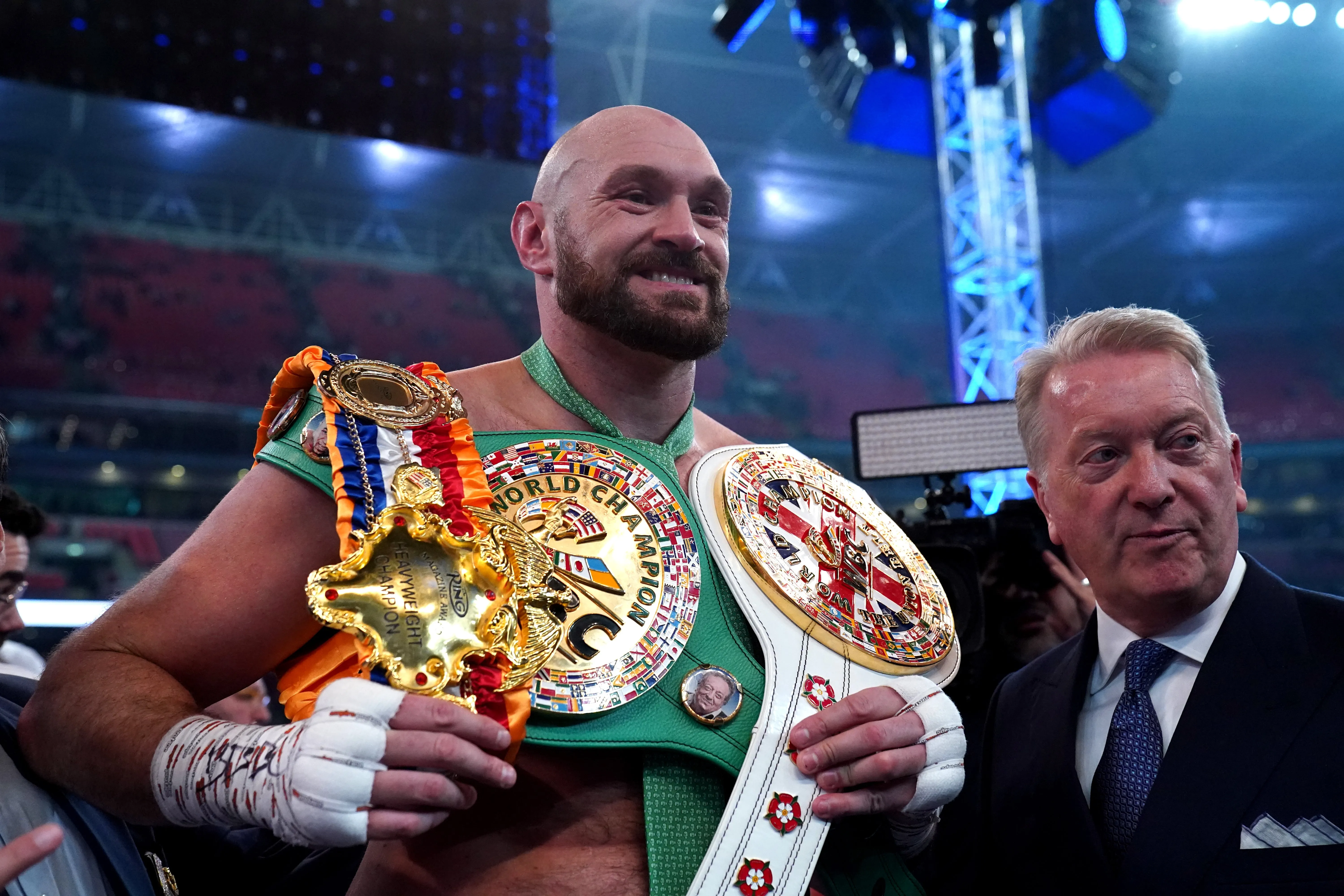
A Ghost at the Top: Ring Magazine’s Controversial Call
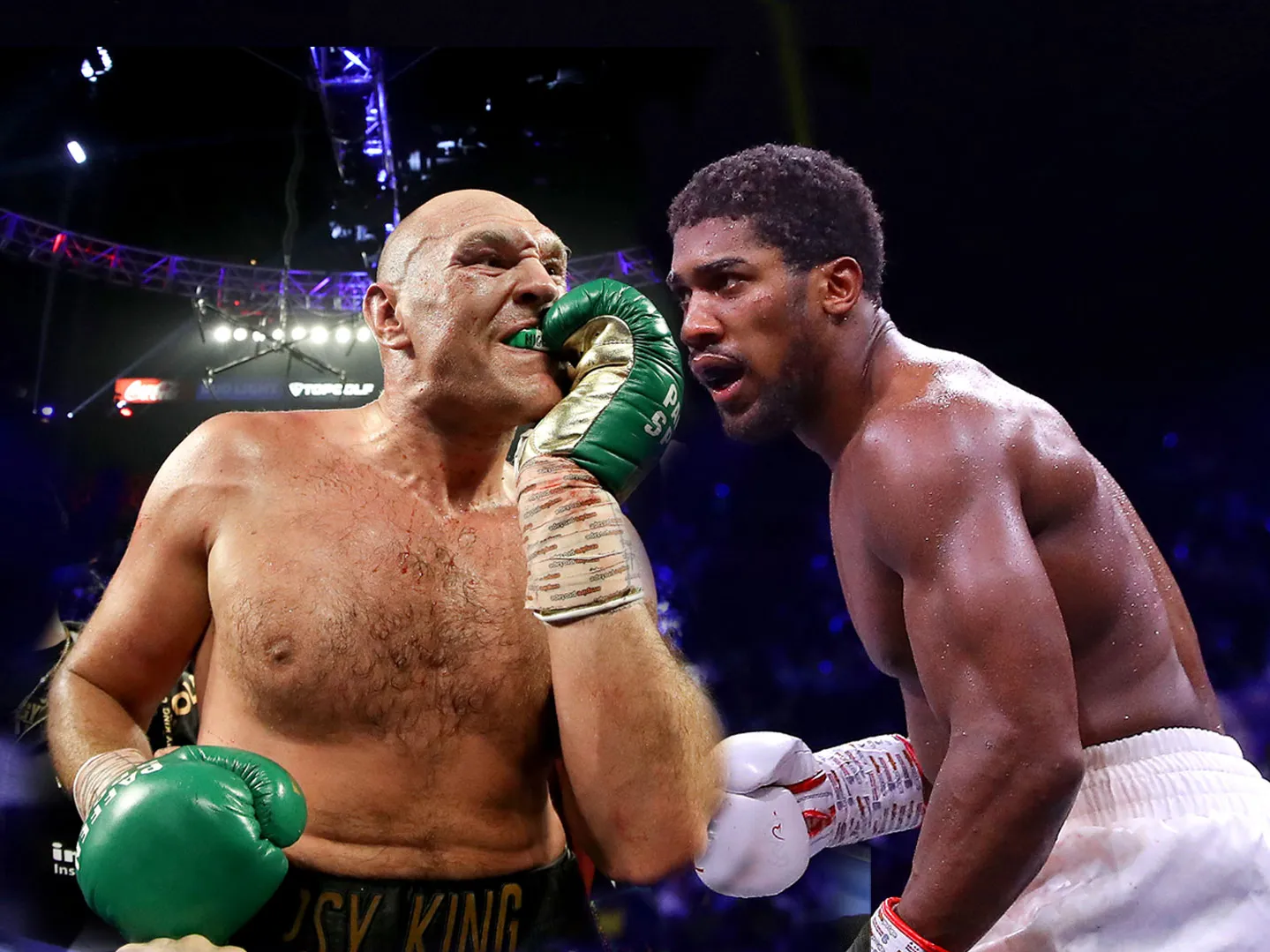
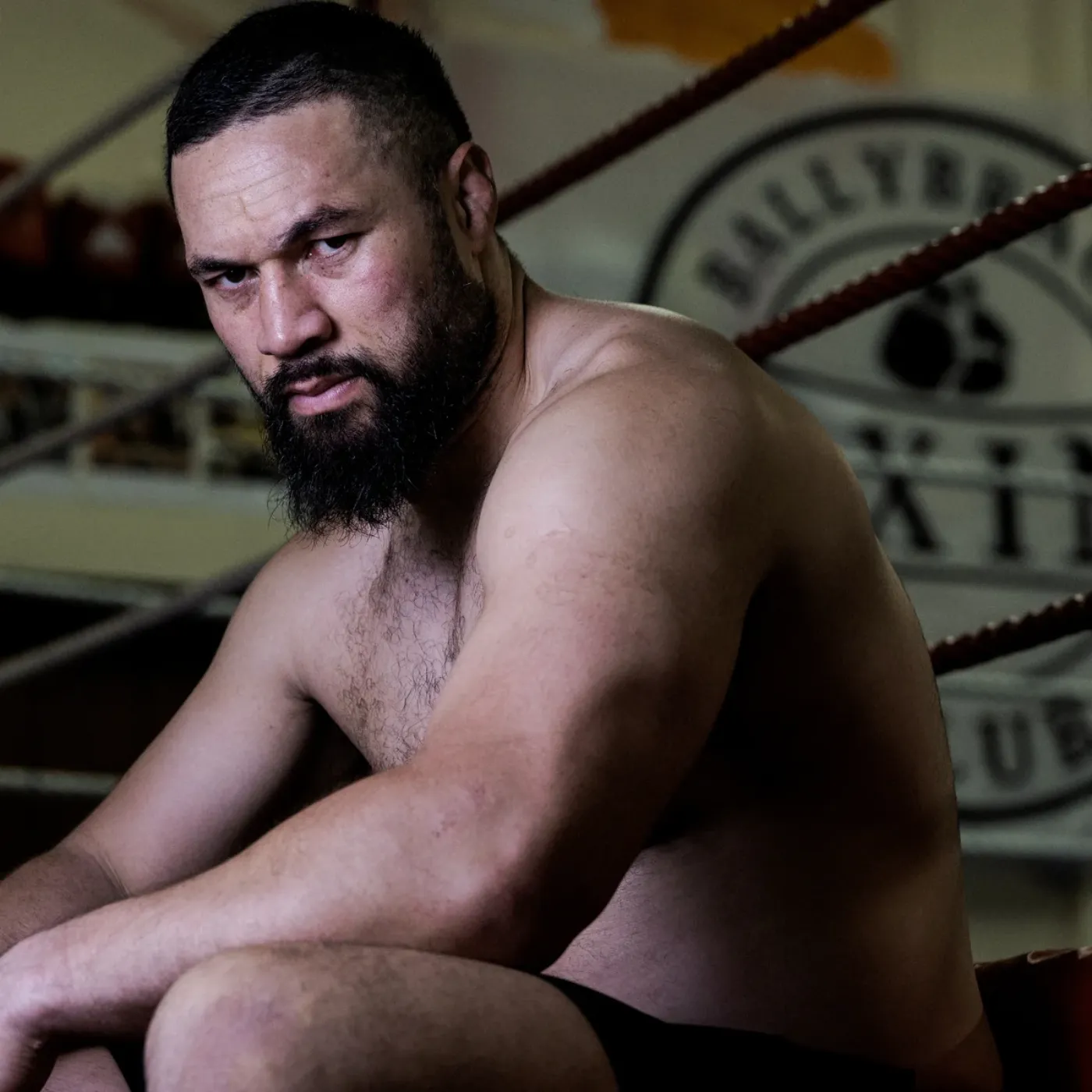
The latest update from Ring Magazine, considered the “Bible of Boxing,” lists Tyson Fury as the No. 1 heavyweight in the world—above all current titleholders and contenders. It’s a ranking that has ignited furious debates online, especially as fighters like Anthony Joshua, Joseph Parker, Daniel Dubois, and Agit Kabayel have fought recently, won titles, and made clear their intent to continue climbing.
Yet all of them trail behind Fury in the pecking order. Why?
According to insiders, it’s about more than wins and losses. “Fury’s legacy, dominance, and skillset still eclipse the current field,” says one anonymous source close to the rankings committee. “He may not be fighting, but in terms of raw ability and impact—he’s still the guy everyone measures themselves against.”
But not everyone agrees. Fans are outraged, calling the move “nostalgic bias” or worse—a deliberate attempt to keep the Fury brand relevant. And it seems to be working. Social media has been flooded with hashtags like #FuryStillNumberOne and #BringBackTheGypsyKing, suggesting that while Fury may have walked away from the ring, the sport itself hasn’t let him go.
The Others Have Moved On—So Why Hasn’t Boxing?
Let’s be clear: Joseph Parker, Agit Kabayel, Daniel Dubois, and Anthony Joshua have all confirmed they’re moving on from Fury. None of them expect him back, nor are they waiting around for his return. Joshua, especially, has said he’s focused on building his second legacy with a newfound discipline and KO streak that has fans calling it his “resurrection arc.” Parker is chasing a unification bout. Kabayel is still undefeated. Dubois just made waves with a crushing body-shot finish in July.
So if the division is moving forward, why does Fury remain its gravitational center?
It’s psychological. It’s branding. It’s unfinished business.
Even in defeat, Fury managed to do something no other heavyweight has done in over a decade: make people care. Whether you love him or hate him, you talk about him. Whether he wins or loses, he makes headlines. His persona—the Gypsy King swagger, the mental health speeches, the larger-than-life showmanship—is etched into the DNA of modern heavyweight boxing.
No matter how many new faces emerge, they all live in a world that Fury built.
“I’m Never Coming Back”—Do We Believe Him?
The question that lingers louder than ever: Is Tyson Fury truly done with boxing?
Back in May, following his second loss to Usyk, Fury declared in a press conference: “I’m never coming back. Boxing is behind me.” But coming from Fury, those words sounded more like a dare than a door slam.
Remember: he’s retired before. In 2016, he left the sport citing mental health battles and returned two years later in arguably the most astonishing comeback in modern boxing history. Since then, his career has been a roller coaster of retirements, retractions, and rematches. Nothing with Fury is ever final.
And now, with the heavyweight division trying to reset, his presence—if only as a ranked name—is already destabilizing the narrative. What if he’s watching? What if he’s training in silence? What if the “never coming back” is just the opening act of a third act revenge tour?
Boxing Still Wants Him. The Fans Still Chant His Name.
What’s undeniable is the Fury-shaped void left in boxing’s biggest division. Even Usyk, now the undisputed king, doesn’t inspire the same polarizing passion. He’s respected, loved even—but not feared. He doesn’t bring in pay-per-view numbers like Fury. He doesn’t control press cycles. And he doesn’t send memes into viral overdrive with one quote or one outfit.
Fury was entertainment and dominance rolled into one—and the sport misses it.
Promoters know it. Broadcasters know it. Fans feel it. Every “Who’s Next for Usyk?” thread on Reddit or X inevitably devolves into “But what if Fury…”
Is This All Part of a Bigger Play?
Here’s where the plot thickens. Some believe Fury’s ranking isn’t just about merit—it’s strategic positioning.
Several insiders have speculated that Fury’s team never fully filed a retirement release with certain sanctioning bodies. There’s even quiet chatter that Fury is still enrolled in anti-doping programs, a common tactic among fighters who want to stay “eligible” for an emergency comeback without having to restart the clock.
If true, this would suggest a long con—a slow-burn PR game to keep his name hot while he rebuilds his body and psyche behind closed doors.
Would it really be surprising if Fury walked into the Saudi Supercard next year for a trilogy with Usyk… or even a final dance with Anthony Joshua?
The Legacy at Risk—or Already Sealed?
One thing remains clear: Tyson Fury’s legacy is no longer just about belts or wins. It’s about mythology.
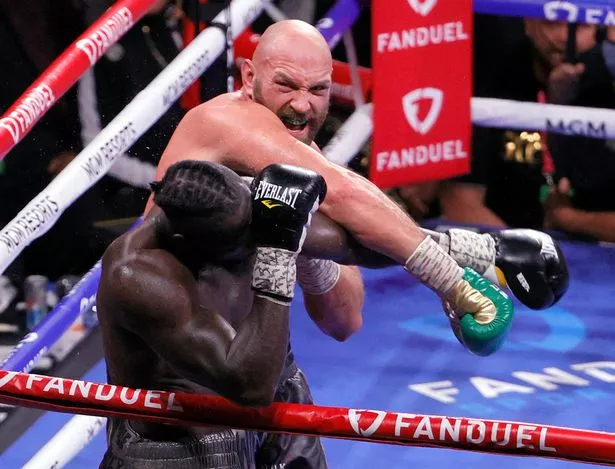
He’s become a figure that transcends the moment. A chaotic force that refuses to be defined by simple stats. His presence, even in silence, continues to shape the conversations that happen inside and outside the ring.
But here’s the twist—that same mythology is at risk of crumbling if he stays in this limbo too long. If the sport moves on without him, and he never comes back, will he be remembered as the greatest? Or simply the guy who talked a bigger game than he was willing to finish?
Final Round: Is He Coming Back, or Is Boxing Just Addicted?
Until he speaks again—truly speaks, not just cryptic Instagram posts—we’re left with only questions and rankings.
But one thing is certain: the heavyweight division cannot stop talking about Tyson Fury, and perhaps that’s the biggest win of his career.
He said, “I’m never coming back.”
And yet… here we are, still watching.
Related News