







Little-known facts about LeBron James’ youth, a shocking share from a teammate who has been with him since he was young
LeBron James. A name synonymous with greatness, dominance, and NBA royalty. Today, he is praised for his leadership, court vision, and generosity. But behind the accolades, there lies a less talked-about version of LeBron—a version some former teammates remember all too vividly. One of them, who played with him during his early years, has finally opened up. What he said challenges the carefully curated image of a superstar.
The Young LeBron: Talented, Driven… and Self-Centered?
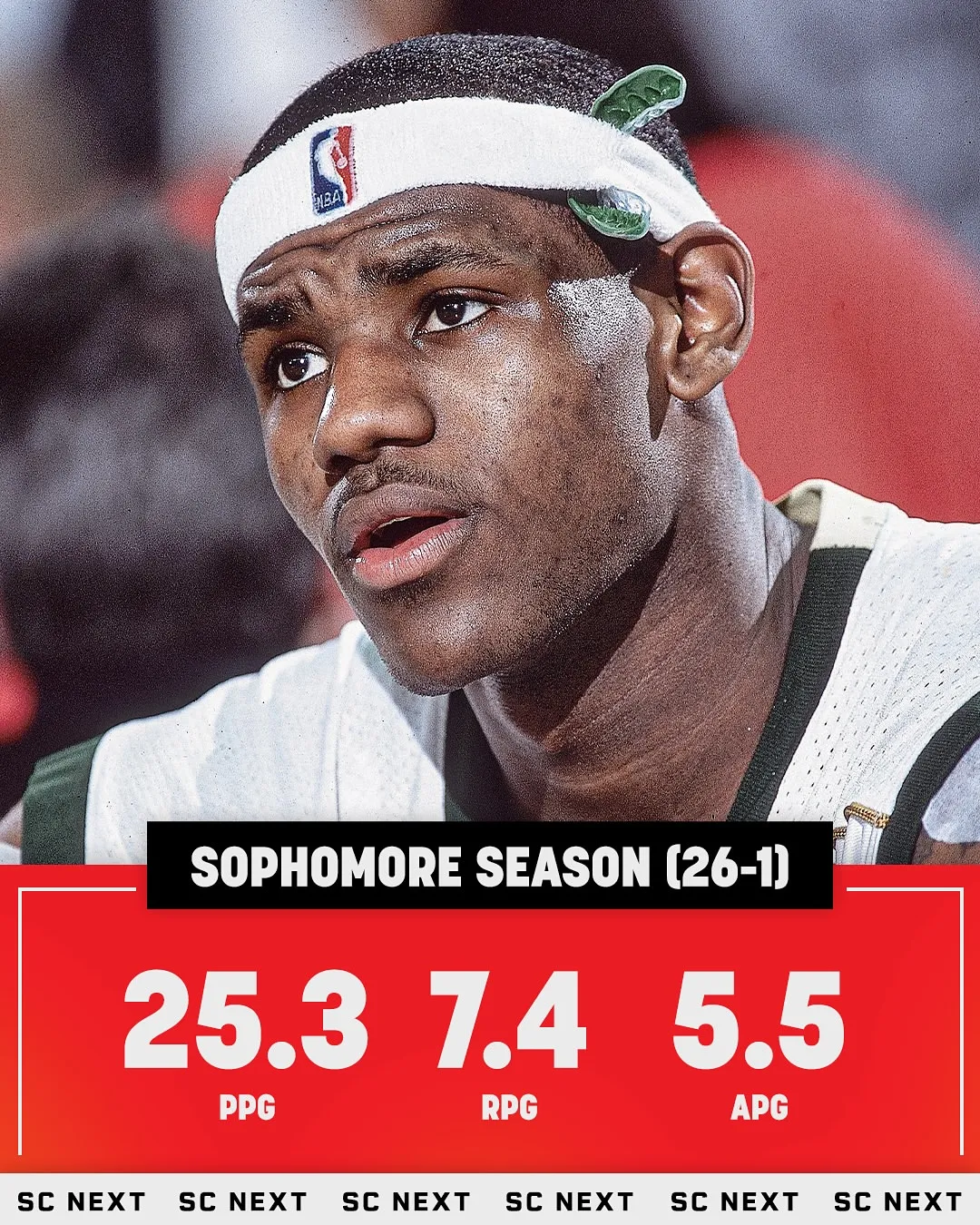
In Akron, Ohio, long before the global endorsements and championship rings, LeBron was a young prodigy with unreal expectations resting on his shoulders. His high school dominance was unquestionable. But according to one former teammate who has chosen to remain anonymous, the early version of LeBron was not the team-first leader we see today.
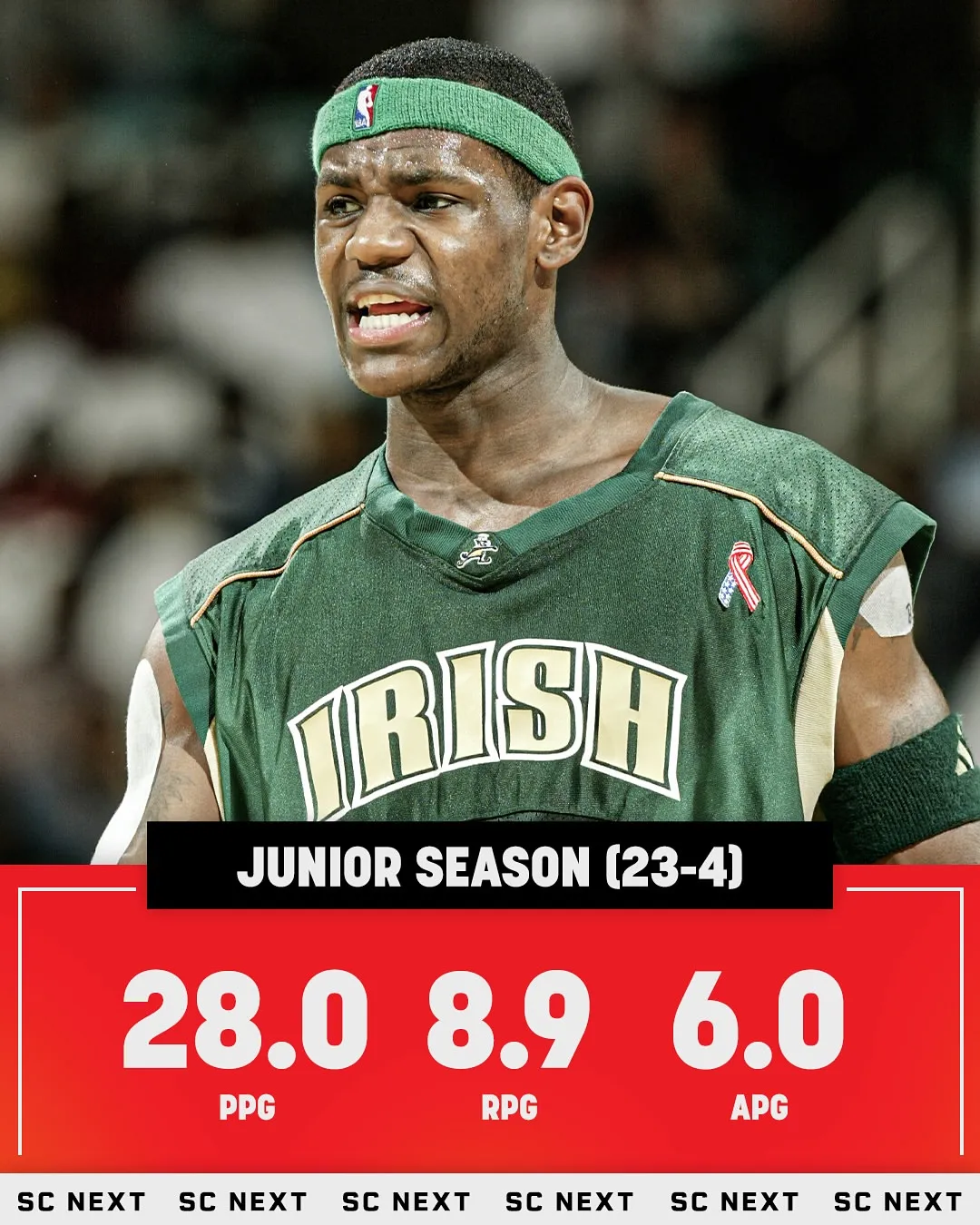
“He was the best. No doubt. But you felt like you were there to serve his narrative, not play as equals.”
This isn’t a one-off opinion. Several teammates from those years have expressed similar feelings—of being left out of the spotlight, of being viewed as pieces in a chessboard where only one king mattered.
The Competitive Edge That Crossed a Line
LeBron’s hunger to win was evident even in his teens. However, some argue that this ambition came at the cost of team camaraderie. On-court arguments, dismissive gestures during team talks, and passive-aggressive behavior were reportedly common.
“If you missed a cut or didn’t set the screen right, he’d glare at you like you were the reason the whole season might fail.”
His behavior may have stemmed from pressure—the kind of pressure no teenager should endure. But the way it manifested left wounds that some teammates still carry.
Loyalty: A Trait or a Facade?
Fast-forward to today. LeBron has played with multiple NBA teams, won championships, and formed ‘superteams’ with other stars. But some wonder: Has he ever truly shared the spotlight?
Critics point out that LeBron often assumes control not just on the court, but off it. From recruiting teammates to choosing head coaches, his influence is enormous. But has he used that power to uplift old allies from his past?
The answer seems… complicated.
-
The coaches who helped him build fundamentals? Rarely mentioned.
-
The teammates who set screens, played defense, and stayed in the shadows? Largely forgotten.
The Teammate Who Spoke Out
Recently, on a podcast that quickly went viral, a former high school teammate shared what many had only whispered in private:
“We all thought, one day, when Bron made it, he’d remember who we were. But I haven’t heard from him in over a decade. No message. No invite. Nothing.”
The quote spread like wildfire, reigniting debates about authenticity, gratitude, and legacy.
Some defended LeBron, citing his foundation work and contributions to youth in Akron. Others saw this silence as further proof that the legend of LeBron James might be built on a selective memory.
The Coach That Time Forgot
There’s also the story of his early coach at St. Vincent-St. Mary High School. A man who taught discipline, spacing, and sacrifice. While LeBron has occasionally mentioned him in interviews, those close to the program say the relationship cooled dramatically after LeBron went pro.
“He was like a father figure,” said one assistant. “But fame changes people. And LeBron, well… he became unreachable.”
This narrative sharply contrasts with other superstars who frequently bring old coaches courtside, or mention them in Hall of Fame speeches.
Growth, or Just Good PR?
There’s no doubt that LeBron has matured. His involvement in social justice, charitable work, and mentorship of young players is commendable. But does that erase how he treated people in his climb to the top?
More importantly, does he acknowledge it?
So far, no public apology or acknowledgment has been made toward former teammates or coaches. This leaves fans wondering: is today’s LeBron a man transformed or simply a man managed?
What This Means for His Legacy
LeBron’s on-court greatness is undisputed. But legacy is about more than just stats. It’s about character, relationships, and how you made people feel. While the NBA community continues to debate Jordan vs. LeBron, perhaps the more important debate is:
Does greatness excuse forgetting those who helped build you?
In a world obsessed with “where are they now” stories, the silence around LeBron’s early circle speaks volumes.
Conclusion
No man is perfect. Especially not one raised under the relentless microscope of media and public expectation. But as LeBron James’ career nears its twilight, these questions matter more than ever:
-
Will he ever publicly recognize the people who stood by him before the fame?
-
Will he bridge the gap between the boy from Akron and the king of basketball?
-
Or will this version of LeBron—polished, managed, and glorified—be the only one history remembers?
Only he can answer that. Until then, stories like this continue to surface, reminding us that even the most legendary figures have shadows.
Because sometimes, the most powerful part of a legacy is the part left unsaid.
Related News