LeBron: He finally said this was his biggest regret about joining Miami in 2010
LeBron James is not only one of the greatest basketball players ever, but also one of the most thoughtful voices in the game today. On his podcast Mind the Game, first co‑hosted with JJ Redick and now with Steve Nash, LeBron shares deep reflections on basketball, X’s and O’s strategy, behind‑the‑scenes stories with extraordinary guests, his lifelong inspiration for the game, and the hard‑earned lessons he’s learned over a storied career. In this article, we explore how LeBron’s podcast reveals his inner mind, how his experiences shaped his professionalism, and how these lessons offer value for fans and professionals alike.
Mind the Game: Elevating the Conversation
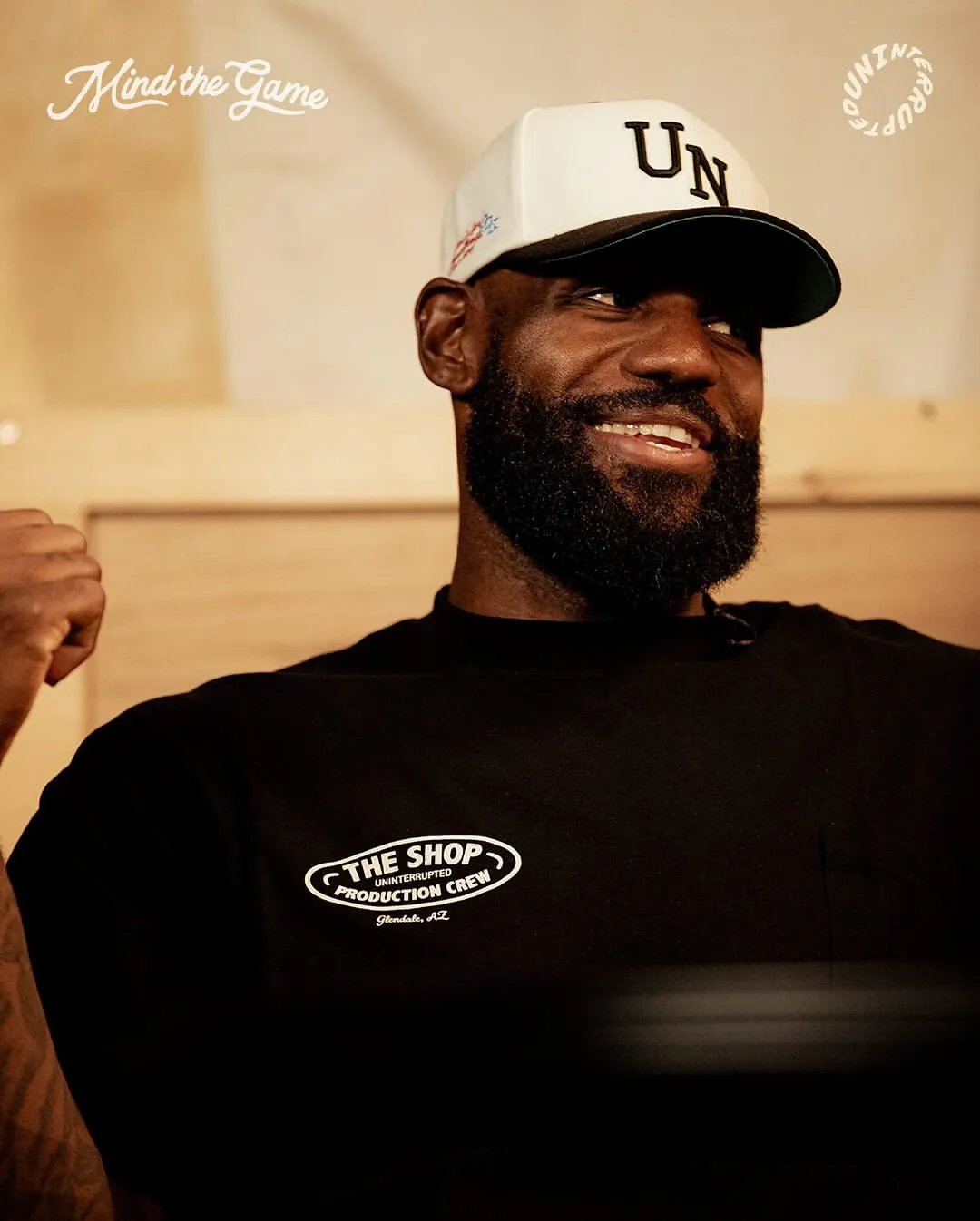
LeBron’s podcast Mind the Game, launched in March 2024, offers weekly conversations dissecting the state of basketball through the lens of elite minds. Season 1 featured JJ Redick, and Season 2 features Steve Nash as his co‑host. Unlike typical recap‑style sports shows, the podcast digs into granular strategy—play designs, matchups, coaching philosophy—and combines it with high‑level emotional depth and insider anecdotes.

Listeners appreciate raw breakdowns of plays like the “thumb down” set, where LeBron explains how a left‑handed point guard can read options—pocket passes, ahead passes, shake‑back counters—and Redick overlays analytics and definitions so fans can follow along. The atmosphere is intimate: seeing wine bottles scattered across the video set, and hosts candidly sharing stories highlights that it’s not just X’s and O’s, it’s real lives intersecting with the sport.
This approach has drawn critical acclaim: The New Yorker suggests the podcast may change sports media by prioritizing intellectual, player‑driven insight over narrative drama. Its mix of fun banter, deep analysis, guest interviews, and player philosophies already set a new bar.
Basketball and Strategy: Unpacking X’s and O’s
At its core, Mind the Game is a master class in basketball strategy. LeBron and his co‑hosts delve into schemes, coaching sets, and adjustments. In one episode, LeBron and Nash analyze how to guard emerging stars like Anthony Edwards; in another, they break down offensive spacing in finals matchups like Thunder vs Pacers in 2025.
In the pilot episode with Redick, they tackle the question: What makes a great basketball player?—then dissect the characteristics of elite play: versatility, decision‑making, spatial awareness, and the ability to read defenses and create mismatches in real time.
Redick often takes the role of translator—turning basketball jargon into accessible lessons. Fans on Reddit praised the show:
“Amazing, chronological discourse about how strategies have evolved in the NBA, analysing current play styles and players…”
“Bron and JJ shooting the shit is kinda the most fun part cause they do it with analytics and strategies incorporated.”
That blend of deep detail and enjoyable conversation offers true insight for serious students of the game and still engages casual fans.
Behind‑the‑Scenes Stories & High‑Level Guests
Each season includes special guest interviews with basketball legends. In Season 2, LeBron and Nash hosted star players such as Luka Doncic and Kevin Durant, exploring their careers, growth, and approach to competing at the highest level. In interviews with Durant, the discussion turned to the beauty of mid‑range shooting and how modern basketball has evolved into a form that values flexibility and skill.

Similarly, the episode with Luka Doncic delved into youth basketball systems, cultural differences between Europe and the U.S., and the broader meaning of mentorship in elite development. These conversations allow LeBron to shine a light on the next generation, sharing not only how the game is played—but how it’s taught, passed on, and culturally shaped.
But Mind the Game isn’t limited to scheduled interviews. LeBron reveals backstories from his own career—in the NBA Bubble championship, Finals experiences, team leadership, and personal resilience during intense public scrutiny.
LeBron’s Inspiration for the Game and Professional Mindset
LeBron has long stressed that his love for basketball is rooted in childhood play—not elite camps or academies, but streetball sessions and communal pick‑up games in Akron, Ohio. That self‑driven passion laid the foundation for a career spanning from high school phenom to all‑time leading scorer.
He’s also transparent about the influence of being raised by a single mother. Rather than letting celebrity consume him, LeBron maintains grounded values: “…you can’t be a s‑t show… be a good person, dedicate yourself to the craft” he told hosts on the New Heights podcast, crediting his upbringing for teaching resilience and personal accountability.
On Mind the Game, LeBron often reflects on what motivated him: striving to be remembered not just as a great athlete, but as a positive role model, family man, and business leader. His media ventures—Uninterrupted, SpringHill Entertainment, and various collaborations—stem from a desire to tell athlete‑authentic stories in his own voice.
Lessons Learned: From The Decision to Career Longevity
LeBron’s career has not been without missteps. In the 2010 “Decision” where he left Cleveland in a televised special, many saw arrogance and disconnect. He later expressed regret, admitting he “would probably change that” if he could—acknowledging how public decisions affect perceptions and relationships.
That moment spurred growth. He learned that criticism, personal setbacks, and professional failures can be powerful teachers: “the greatest teacher you can have in life is experience” he said during the 2012 Finals, reflecting on how past losses forced him to re‑examine his maturity and attitude.
Since then, LeBron evolved—from playing “angry” to playing with joy and craft. He adopted new dimensions in his game: post‑up moves, mid‑range shots, improved passing instincts—and a mindset centered on longevity and team impact.
He also built a scandal‑free reputation by staying focused: avoiding distractions, staying available to team and franchise, and caring deeply about legacy beyond the court.
How Mind the Game Reflects Those Lessons
LeBron’s philosophy of growth, reflection, and professionalism clearly informs Mind the Game’s structure:
-
Detailed basketball intelligence mirrors his commitment to continuous learning and sharing knowledge.
-
Guest interviews with players like Durant and Luka reflect mentorship: LeBron using his platform to highlight and support others.
-
Personal admissions of mistakes and career reflections show humility and emotional honesty.
-
Focus on being remembered for character as much as on‑court greatness aligns with how he framed his post‑Decision evolution.
These elements make the podcast a vehicle not just for analysis, but for legacy building.

Takeaways for Readers & Aspiring Professionals
What lessons can fans, athletes, or professionals derive from LeBron’s words and experiences?
-
Master your craft and respect process. LeBron emphasizes dedication, rest, body management, and mental sharpness—not relying on talent alone.
-
Learn from mistakes. Recognizing wrong choices (like the “Decision”) and evolving to improve shows maturity and long-term focus.
-
Be a team player and make others better. Leadership is influence beyond stats—it’s lifting teammates and helping younger players grow.
-
Stay grounded amid fame. Growing up in normal routines, valuing family, and avoiding scandal are central to LeBron’s career blueprint.
-
Use insight as a bridge. Just as he breaks down plays in podcast episodes, professionals can elevate others by making complex ideas accessible.
Conclusion
Through Mind the Game, LeBron James elevates the conversation around basketball—merging technical breakdowns, guest storytelling, and reflections on his personal journey. His discussions with co‑hosts JJ Redick and Steve Nash, and guests like Kevin Durant and Luka Doncic, offer rare window into elite basketball intellect and collaboration. LeBron’s career lessons—growth from public mistakes, mindful professionalism, consistency, and leadership—inform both his game and his message.
Ultimately, LeBron shares not just X’s and O’s, but why and how he became who he is: an iconic player, a thoughtful leader, and someone committed to legacy both on and off the court. For anyone seeking inspiration, strategic insight, or real human stories behind the star, LeBron’s journey is a masterclass in performance, humility, and lifelong learning.
Related News