Unexpected accident at Turn 1: Jack Miller reveals the real reason
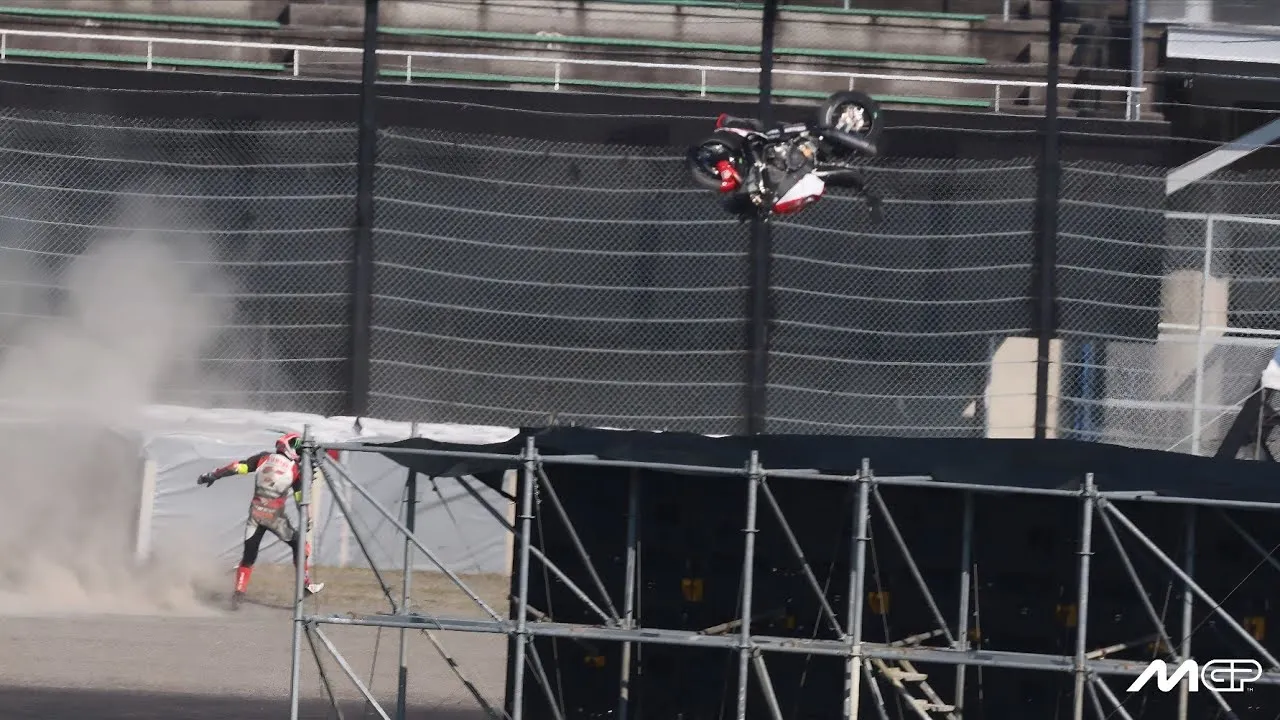
In an eventful day at the iconic Suzuka Circuit, Jack Miller made headlines after crashing out during the second qualifying session for the Suzuka 8 Hours. Fortunately, the Australian rider returned to the pits unscathed and in good spirits, flashing a confident smile that reassured fans and team members alike.
The incident occurred in Turn 1, one of the fastest and most demanding corners on the Suzuka layout. While the crash could have dampened team morale or shaken the rider’s confidence, Miller’s post-session comments painted a picture of resilience, adaptability, and fierce motivation to bounce back in the upcoming race sessions.
“I Pushed a Bit Too Hard” – Miller Reflects with Humor and Clarity
Speaking to the media after returning to the garage, Jack Miller addressed the crash with his trademark candor: “I bottomed out and crashed in Turn 1. Maybe the front was too soft for my riding style.”
Though clearly disappointed by the mistake, Miller emphasized that it wasn’t all bad. “I’m satisfied with the attack lap I did just before that. I made a mistake in the final sector, but I still managed to set a decent time.” His tone suggested a rider who understands the margins of high-performance racing and accepts the occasional fall as part of pushing the envelope.
For fans and team personnel, Miller’s balanced approach is encouraging. He acknowledges the flaws, learns from them, and keeps his focus on improvement—a trait every top-tier endurance team values highly.
From MotoGP to Endurance: The Transition Challenge
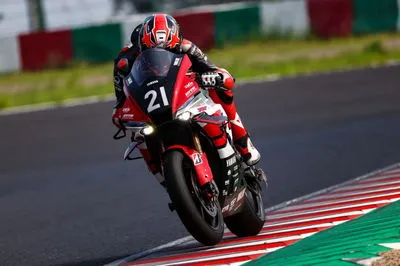
Perhaps the most intriguing aspect of Jack Miller’s Suzuka campaign is his transition from the MotoGP-spec Yamaha YZR-M1 to the endurance-focused YZF-R1. The switch isn’t as seamless as it may appear, and Miller was quick to highlight the complexities.
“Switching from the YZR-M1 I usually ride in MotoGP over to the 8 Hours spec YZF-R1, I had to adjust a lot,” Miller explained. “In endurance racing, you have to find a balanced setup to suit all three riders.”
That adjustment involves everything from throttle response and suspension travel to ergonomics and braking preferences. In MotoGP, machines are tailored precisely to one rider’s needs. In endurance racing, compromises are necessary. One bike must be comfortable and competitive for three different riding styles, endurance durations, and strategy alignments.
Despite these challenges, Miller expressed genuine enthusiasm for the opportunity. “But I’m enjoying the challenge!” he added, smiling, “From tomorrow onward, I’m sure we’ll be able to show how strong we are, together with my teammates!”
Endurance Racing Mentality: A Different Beast
One of the less visible but critical adjustments Miller must make is the mental shift from sprint racing to endurance discipline. MotoGP demands short, aggressive stints of perfection over a handful of laps. Endurance racing, however, involves managing physical energy, tire conservation, fuel strategies, and staying composed over multiple hours and rider swaps.
For someone as high-octane and spirited as Jack Miller, adapting to this rhythm is not only a test of skill but also mental recalibration. So far, his embrace of the discipline seems to be paying off, despite the minor setback in qualifying.
The crash itself served as a reminder of the razor-thin line between precision and disaster in motorsports. Yet, Miller’s ability to walk away, both physically and emotionally intact, speaks volumes about his experience and tenacity.
The Qualifying Outcome: Not Perfect, But Promising
While the crash prevented Miller from completing an ideal qualifying run, his previous “attack lap” showed signs of serious pace. “It’s a shame that everything wasn’t perfect,” he admitted, “but I think I can do better tomorrow.”
That mindset is crucial in an event like the Suzuka 8 Hours, where endurance and consistency outweigh raw lap times. Even though starting position plays a role, the real test comes during the long race stints, rider changes, and dynamic weather or tire conditions.
Miller’s pace, attitude, and clear-headed approach post-crash have kept the team’s morale intact. In fact, the Australian is now seen as an emotional leader within his trio, bolstering both rookie enthusiasm and veteran calm among his teammates.
Team Yamaha’s Optimism: Building Momentum
Yamaha’s endurance racing division has placed significant faith in its lineup this year, and Jack Miller represents a key component of their multi-rider setup. His MotoGP experience, high-speed adaptability, and mechanical sensitivity make him an ideal asset in helping Yamaha fight for a top result at Suzuka.
Despite the crash, Yamaha insiders remain optimistic. “Jack has been brilliant in the garage and on track. His data feedback has helped the team refine the bike overnight,” a Yamaha engineer noted off-record. “We think he’s just getting started.”
As the final race approaches, Miller’s insights into chassis behavior, suspension rebound, and braking zones are expected to shape Yamaha’s final setup tweaks. He is not just riding; he is contributing strategically, the way experienced endurance riders must.
Looking Ahead: All Eyes on Sunday
With qualifying behind them and lessons learned, Miller and his teammates are now focused on race day. Expectations are high, but the team’s realistic goal is consistency and clean stints rather than all-out aggression.
Jack Miller’s resilience after the crash and his confidence heading into the race have reignited hope in Yamaha’s camp. For fans, it promises a redemptive narrative—a comeback arc for a rider known for bouncing back stronger after every fall.
And as Jack himself put it: “I think I can do better tomorrow.”
Related News