Did Jannik Sinner Really Fire His Trainer Just for Talking Too Much? Italian Media Drops Shocking Claim
The world of professional tennis is no stranger to rumors, speculations, and explosive claims that often take fans and insiders by surprise. Over the past few days, the Italian sports media has been buzzing with one such report involving none other than Jannik Sinner, the young prodigy who has quickly risen to become one of the brightest stars on the ATP Tour. According to reports circulating in Italy, Sinner may have recently made a dramatic move—firing his trainer over something as unusual as “talking too much.” While this claim has yet to be officially confirmed by Sinner or his management team, it has undoubtedly sparked heated conversations about player-coach relationships in professional tennis and raised questions about the mental and emotional pressures that come with life at the top of the sport.

This article dives deep into the allegations, explores the possible reasons behind such a decision, looks at the Italian media’s role in shaping the narrative, and analyzes how this could affect Sinner’s career trajectory moving forward.
Jannik Sinner: A Rising Star Under the Spotlight
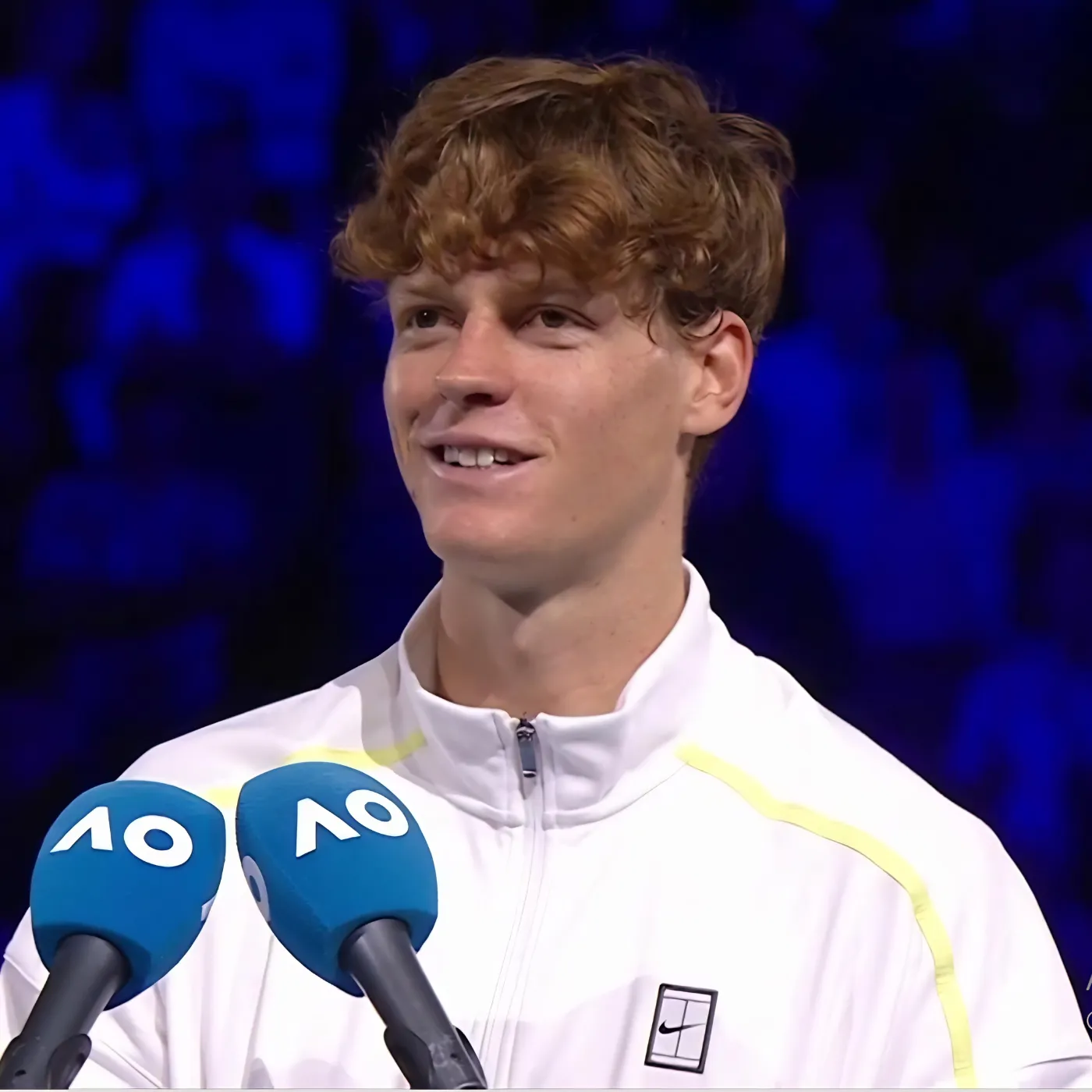
To understand the gravity of this rumor, one must first appreciate who Jannik Sinner is and why any news surrounding him tends to make headlines. At just 22 years old, Sinner has carved out a place among the world’s elite, climbing into the ATP Top 5 rankings and proving himself on some of the sport’s biggest stages. Known for his laser-sharp baseline game, remarkable composure, and an unshakable work ethic, Sinner has become a symbol of the new wave of tennis talent emerging from Europe.
However, with success comes constant scrutiny. The Italian press, always eager to celebrate its sporting heroes, also tends to amplify even the smallest hints of controversy. This creates an environment where every decision—from changing rackets to switching coaches—can quickly spiral into headline-worthy drama.
The alleged firing of his trainer fits squarely into this mold. But is there more to this than meets the eye?
The Shocking Allegation: Fired for Talking Too Much?
According to Italian sports outlets, Sinner allegedly parted ways with his trainer because the coach “talked too much” during sessions. On the surface, this claim might seem absurd or even trivial. After all, communication is a critical component of any player-coach relationship. But within the context of high-level tennis, where mental clarity and focused preparation are paramount, such a detail could take on new significance.
If true, this decision reflects how finely tuned Sinner’s approach to his career really is. Top athletes are known for being particular about their training environments, often making choices that outsiders might consider extreme. A coach’s over-communication could potentially disrupt a player’s mental flow, add unnecessary stress, or clash with a player’s preferred style of preparation.
Still, critics argue that firing a coach over something as subjective as “talking too much” seems drastic. This raises the question: could there be deeper issues at play that have been simplified into this single, headline-grabbing explanation?
Italian Media and the Culture of Sensationalism
It’s no secret that Italian sports journalism thrives on passion, emotion, and at times, sensationalism. From football to motorsports, Italy’s media has a long history of framing sporting stories in a way that captivates audiences, even if it means blurring the lines between fact and speculation.
In this case, it’s worth examining whether the “talking too much” angle is an oversimplification—an easy soundbite that grabs attention while masking more complex underlying tensions. Perhaps the split involved differences in training philosophy, conflicting visions for Sinner’s career, or even personal dynamics that became unsustainable. Yet, for a public eager for drama, attributing the decision to excessive talking makes for a story that is both digestible and sensational.
The Italian media’s framing of the incident could also be a deliberate attempt to provoke a reaction—either from Sinner himself, his camp, or fans who are deeply invested in his journey. In doing so, the press maintains its grip on the narrative and keeps the public conversation alive.
Behind the Scenes: Player-Coach Dynamics in Tennis
To truly appreciate the complexity of this situation, one must consider the unique relationship between players and coaches in professional tennis. Unlike team sports, where athletes work with multiple staff members and share responsibilities with teammates, tennis players form deeply personal and highly dependent partnerships with their coaches.
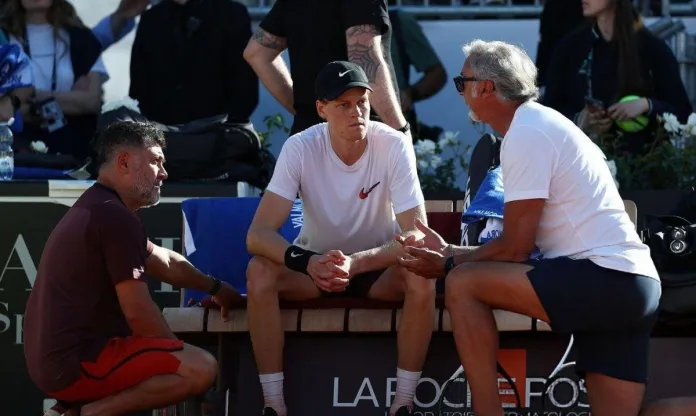
A coach in tennis is more than just a technical advisor. They are a mentor, a travel companion, a strategist, and often a confidant. They live the grueling tour schedule alongside their players, sharing in their triumphs and frustrations. This closeness, while beneficial in many ways, can also lead to friction. Spending countless hours together, often under intense pressure, can amplify even the smallest points of contention.
For a player like Sinner—known for his introspective nature and methodical personality—even seemingly minor clashes over communication styles could become a serious issue. If he felt that his trainer’s approach was disrupting his focus or interfering with his preparation, it would not be out of character for him to make a decisive change.
The Psychology of Elite Athletes
It’s also important to examine the psychological aspect of this decision. Elite athletes often make unconventional choices in pursuit of peak performance. From adopting unique routines to working with specialized coaches, these decisions are deeply personal and sometimes hard for outsiders to fully grasp.
For Sinner, who is navigating the transition from a promising young talent to a legitimate Grand Slam contender, maintaining mental clarity could be more important than ever. If his trainer’s style—however well-intentioned—was creating mental noise, the choice to part ways may reflect a larger commitment to safeguarding his emotional and psychological state.
This perspective reframes the “talking too much” claim not as a petty grievance but as part of a broader strategy to eliminate distractions and optimize his performance.
The Reaction from Fans and Experts
The rumor has generated a mixed response within the tennis community. Some fans expressed support, noting that players must do whatever it takes to stay mentally and physically sharp in such a competitive environment. Others criticized the move, questioning whether such a decision undermines the value of constructive feedback and open communication in a coach-player relationship.
Experts have been more measured in their analysis. Several former players and commentators suggested that the media narrative may be oversimplifying the situation. They argue that such splits often involve multifaceted reasons, including differences in long-term vision, disagreements over scheduling, or even personality mismatches.
In essence, the truth may be far less dramatic than the headlines suggest—but far more understandable within the context of life on tour.
What This Means for Sinner’s Career
Regardless of the real reasons behind the split, the decision has immediate implications for Sinner’s career. The timing of such a move—potentially in the middle of a season—could disrupt his training rhythm and preparation for upcoming tournaments. On the other hand, it could also provide a much-needed reset, allowing him to work with someone whose approach better aligns with his evolving needs as a top-tier player.
Sinner has shown remarkable resilience throughout his career, bouncing back from setbacks with determination and poise. If anything, this episode could further underscore his willingness to take bold steps in pursuit of success. Whether it leads to immediate results or requires an adjustment period, one thing is clear: Jannik Sinner is a player who knows what he wants—and is unafraid to make tough choices to get there.
Conclusion: A Storm in a Teacup or a Turning Point?
So, did Jannik Sinner really fire his trainer just for “talking too much”? The honest answer is that we don’t fully know—and perhaps never will. What we do know is that this claim, while sensational, offers a fascinating glimpse into the complex world of elite sports, where decisions are rarely as simple as they appear on the surface.
Whether this is a media-fueled storm in a teacup or a genuine turning point in Sinner’s career, it highlights the intense scrutiny that comes with being a rising star in tennis. It also reminds us that behind every headline is a deeper story—one shaped by personal dynamics, psychological pressures, and the relentless pursuit of greatness.
For now, fans will watch closely to see how Sinner navigates this chapter of his journey. One thing is certain: in the high-stakes world of professional tennis, even the quietest voices—or the loudest—can have a profound impact on the path to victory.
Related News