








Promises Leading Straight to the Top – or a Trap? Pisciotta Details How Kanye Used Careers to Control Others
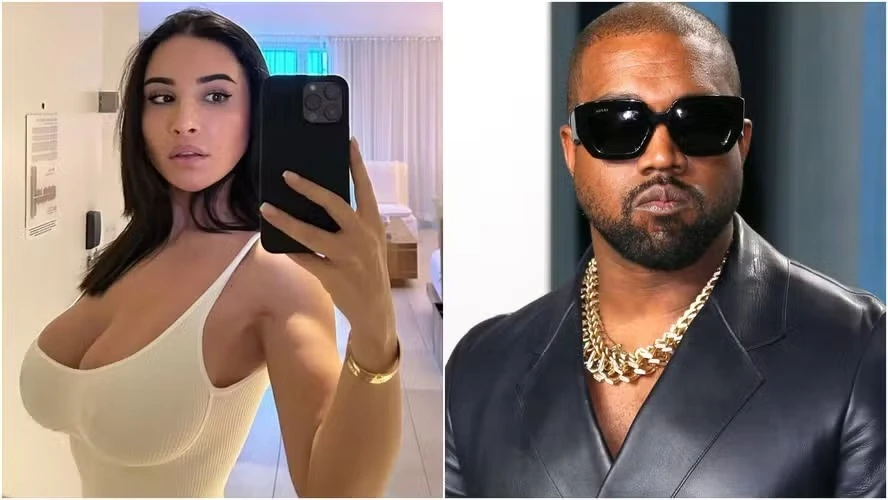
When a rising creative in music or fashion hears promises like “I’ll take your career to the next level,” it can feel like the ultimate golden ticket. But what if those promises are actually a trap designed to keep you compliant? That’s exactly what former Yeezy associate Bianca Pisciotta is alleging in a series of revelations that are now shaking the entertainment industry and resurfacing broader questions about Kanye West’s power dynamics behind the scenes.
In an explosive interview that has already begun to ignite heated debate across social media, Pisciotta claims Kanye’s seemingly generous career offers weren’t always what they appeared to be. According to her, those offers came with unspoken conditions and were rarely fulfilled, leaving the recipients dependent and trapped in his creative ecosystem. The accusations aren’t just about Kanye’s personal relationships but about a pattern of control through opportunity—a system that can make or break careers with a single phone call.
The Illusion of “Bigger Projects”
Pisciotta recounts that she and others around Kanye were frequently promised bigger opportunities if they adhered to his vision without question. She describes being told that her next project would outshine everything she’d ever done—music collaborations with top-charting artists, fashion campaigns for international brands, even potential creative directorships. But, she says, those opportunities never materialized.
Instead, the promises acted as a form of leverage. “Do what I want now,” Pisciotta recalls the unspoken message, “and I’ll reward you later.” Yet the rewards never came. The result, she claims, was a culture of dependence that left associates afraid to walk away from Kanye’s orbit, worried they would be blacklisted or lose any chance at future success.
Industry insiders say this dynamic isn’t unique to Kanye. “Carrot-and-stick career tactics are common in entertainment,” says one veteran music manager who spoke on background. “But when someone as powerful as Kanye West dangles those carrots, it becomes nearly impossible for up-and-comers to say no.”
How Control Was Allegedly Maintained
Pisciotta paints a picture of systemic pressure within Kanye’s creative network. Those who wanted to leave or challenge his vision were allegedly reminded of the doors he could close. She says she witnessed projects getting delayed or cancelled when people didn’t comply. “You either played along, or you didn’t get the call for the next big thing,” she explains.
There were also emotional tactics at play. Pisciotta says Kanye could be intensely charismatic when rallying people behind his ideas, making them feel special and chosen. But that same charisma, she suggests, could quickly flip into isolation and punishment if loyalty wavered. “You’d go from feeling like his right hand to feeling disposable overnight,” she says.
Some of these accounts align with past reports about Kanye’s volatile work environments, from late-night Yeezy fashion run-throughs to marathon studio sessions where contributors were expected to be on-call at all hours. But Pisciotta’s revelations add a darker layer: that career promises weren’t just motivation, but a form of soft coercion.
The Broader Pattern
The allegations come at a time when Kanye West’s public image is already under intense scrutiny. Over the past few years, the rapper-turned-fashion-mogul has faced backlash over inflammatory statements, business collapses, and erratic behavior. Yet his influence in the industry remains undeniable.
“Kanye has the ability to change someone’s trajectory overnight,” says a former A&R executive who has worked closely with his team. “That kind of power can lead to exploitation if there aren’t safeguards.”
Pisciotta’s story resonates with a broader conversation about how creatives—especially young women—are treated in male-dominated industries. When opportunities are scarce and gatekeepers are few, the line between mentorship and manipulation can blur. “It’s not always about money,” says cultural critic Dr. Talia Rogers. “It’s about control. If you hold the keys to someone’s future, you can demand almost anything.”
Kanye’s Silence
At the time of publication, Kanye West has not publicly responded to Pisciotta’s allegations. Requests for comment from his representatives went unanswered.
That silence has only fueled speculation online. “If he denies it, people will question why these patterns keep emerging,” says one entertainment attorney. “If he confirms any of it, it could open the door to legal challenges.”
It’s worth noting that Kanye has long maintained that he is misunderstood by the media and that his boundary-pushing methods are simply part of his genius. But Pisciotta’s account raises questions about whether his methods cross ethical lines—and whether the “genius narrative” has allowed him to operate unchecked.
The Impact on Careers
For those who felt trapped by Kanye’s promises, the consequences could be long-lasting. Pisciotta says she saw talented creatives abandon projects or lose confidence after repeatedly being strung along. “When someone as powerful as Kanye makes you believe you’re about to ‘make it,’ and then pulls it away, it can be devastating,” she explains.
This isn’t just a celebrity drama; it’s a cautionary tale for anyone trying to navigate industries where opportunities are concentrated in the hands of a few. “The entertainment business thrives on access,” says industry analyst Jalen Harper. “And when access is weaponized, it creates a toxic cycle.”
Social Media Reaction
Pisciotta’s revelations have sparked viral conversations online. Hashtags like #KanyeControl and #PromiseTrap have begun trending as fans and industry observers debate the ethics of Kanye’s alleged behavior.
Some fans are defensive, arguing that Kanye’s success has always been about his uncompromising vision. Others are demanding accountability, pointing out that similar dynamics have led to abuse in other high-profile cases. “We can’t excuse bad behavior just because someone is talented,” one viral tweet read.
The reaction highlights a growing shift in public perception. Celebrities who once seemed untouchable are now being held to higher standards, especially when it comes to how they wield power over others.
What Happens Next?
The future remains uncertain for both Pisciotta and Kanye. Will her story inspire others to come forward? Could it impact Kanye’s ability to recruit new talent for his projects? And will the industry at large take steps to address these kinds of power imbalances?
For now, Pisciotta says she’s focused on reclaiming her independence. She has reportedly begun working on new projects outside of Kanye’s orbit and is using her platform to raise awareness about the issue. “I just don’t want anyone else to go through what I went through,” she says.
The Bigger Picture
This story is about more than Kanye West. It’s about the fragility of careers in high-stakes industries and how easily ambition can be used as leverage. When the promise of success becomes a tool of control, the consequences ripple far beyond one person’s story.
As the entertainment world continues to grapple with these revelations, one thing is clear: Pisciotta’s willingness to speak out has forced a difficult but necessary conversation. And whether or not Kanye responds, the questions she’s raised will not be going away.
Could these “promises” really be the price of admission for those hoping to break through in music and fashion? Or are they a trap designed to keep creatives in line? That’s the question now haunting the industry—and one that could redefine how we view the power of its most influential figures.