Triple H Drops Bombshell About John Cena’s Shocking Heel Turn That Almost Happened LIVE!
In the world of professional wrestling, shocking revelations often emerge years after the moments that nearly altered the trajectory of the industry. One of the most jaw-dropping disclosures in recent memory came from none other than Triple H, the WWE executive and legendary in-ring competitor, who recently revealed that John Cena, the face of WWE for over a decade, was once on the verge of executing a dramatic heel turn during a live broadcast. This revelation has reignited fan discussions about what could have been one of the most transformative storylines in WWE history, potentially changing not only Cena’s career but the very fabric of the company itself.
The Context: John Cena, WWE’s Golden Boy
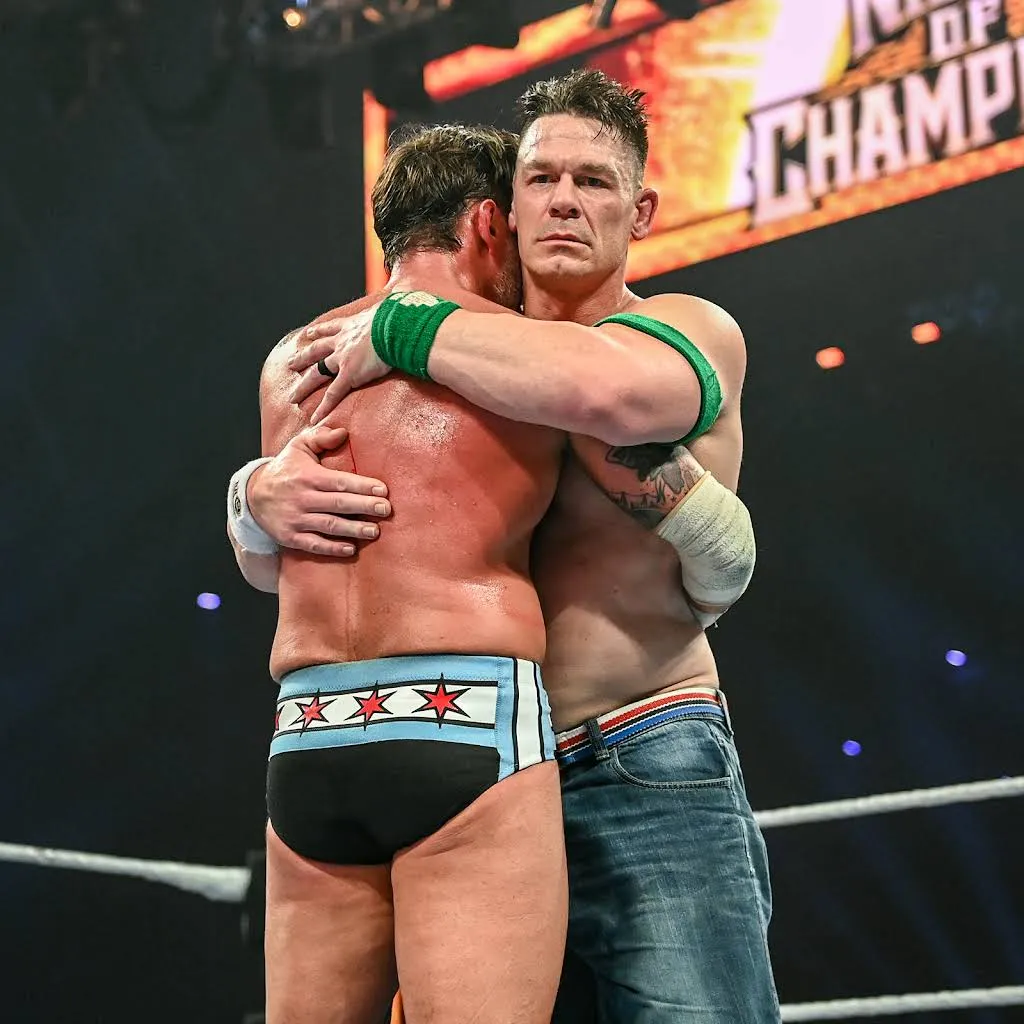
To understand the magnitude of this bombshell, it’s essential to first revisit the persona of John Cena within WWE. Cena debuted on the main roster in 2002, gradually evolving from a generic newcomer into the Doctor of Thuganomics, a brash, freestyle-rapping antihero who captivated fans with his charisma. However, his true claim to fame came when he transitioned into the clean-cut, never-give-up superhero persona that WWE marketed to a mainstream audience, particularly children. This iteration of Cena became synonymous with WWE itself, serving as the company’s most recognizable star throughout the late 2000s and early 2010s.
But with this heroic image came a price. While younger fans adored him, a growing segment of the audience — particularly adult male fans — began to resent what they saw as a corporate, sanitized product. This division within the fanbase led to the infamous “Let’s Go Cena / Cena Sucks” chants that echoed through arenas for years. For a company that thrives on fan reactions, the polarizing nature of Cena’s character was both a blessing and a curse. It kept him at the center of attention, but it also begged the question: could Cena ever successfully become a heel without alienating the very audience WWE relied on?
Triple H Speaks: The Heel Turn That Almost Happened
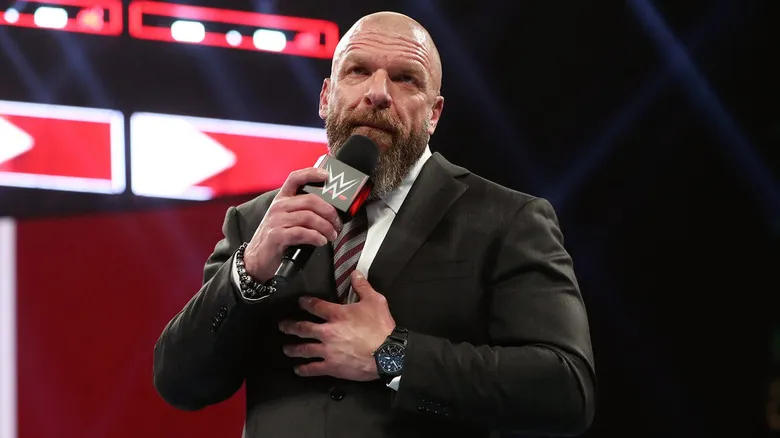
In a recent candid interview, Triple H stunned the wrestling world by admitting that there were serious plans for a John Cena heel turn during the peak of his career — plans that were nearly executed live on television. According to Triple H, this wasn’t just an idea thrown around casually in creative meetings. It was a fully fleshed-out storyline with a clear direction, approved at the highest levels of WWE management.
“We were right there. We were ready to pull the trigger,” Triple H revealed. “It wasn’t just talk; this was going to happen. Cena was ready, and we were preparing for one of the biggest character shifts in WWE history.”
The timing of this proposed heel turn remains particularly fascinating. While Triple H did not provide a specific date, insiders speculate that this was around the time when Cena’s popularity with the older demographic had reached a boiling point. Some believe it was during the buildup to WrestleMania 28 — Cena’s high-profile feud with The Rock — that the company most seriously considered taking this drastic step.
Why the Heel Turn Didn’t Happen
So why didn’t this monumental change occur? According to Triple H, several factors prevented WWE from going through with it, and they all boiled down to one thing: business considerations.
At the time, John Cena wasn’t just a wrestler; he was a brand ambassador, a merchandise juggernaut, and the face of countless charitable efforts such as the Make-A-Wish Foundation. Turning him heel meant risking not only millions in merchandise sales but also jeopardizing the carefully crafted public image that had made Cena such a valuable asset outside the ring.
“There was so much at stake,” Triple H explained. “Merchandise, sponsorships, Make-A-Wish — Cena was the guy you could put on a poster for any event. Turning him heel wasn’t just a creative decision; it was a financial gamble.”
Indeed, Cena’s popularity with children and families made him a unique superstar, one who transcended wrestling. While a heel turn might have appeased older fans hungry for a new narrative, it could have devastated the younger audience who idolized him as a hero. In a company where public perception can make or break opportunities, WWE ultimately chose stability over shock value.
Cena’s Own Thoughts on the Heel Turn
Interestingly, John Cena himself has spoken in past interviews about his willingness to turn heel if the company ever deemed it necessary. He admitted that he had even prepared new gear and a new entrance theme at one point, suggesting that the plans were further along than many fans realized.
“I was ready,” Cena said in a 2021 interview. “If that’s what the company needed, I would have done it. But at the end of the day, WWE made the call that it wasn’t the right move. And I understood that.”
This revelation underscores just how seriously WWE explored the possibility. Cena, known for his loyalty and professionalism, was prepared to embrace the challenge of reinventing himself, even if it meant risking his carefully built legacy.
What Could Have Been: The Impact of a Heel John Cena
Imagining a heel John Cena opens the door to countless “what if” scenarios. How would the wrestling world have responded? Would the boos that once felt organic have transformed into genuine hatred? Could Cena have rivaled iconic villains like Hollywood Hogan or The Rock’s Corporate Champion persona in terms of impact?
A Cena heel turn could have reshaped WWE’s storytelling landscape for years. His rivalries would have taken on a new dynamic, particularly with babyface superstars like CM Punk, Daniel Bryan, and even The Rock. It might have also set the stage for fresh main-event matchups and revitalized the product during a period when WWE struggled with creative stagnation.
Furthermore, a heel Cena could have helped bridge the divide between the younger and older fanbases by offering a layered character that appealed to both sides for different reasons. While children might have been heartbroken to see their hero fall, older fans could have embraced the change as a bold step forward for WWE.
Triple H’s Perspective on the Timing
Triple H’s comments also hint at the delicate balancing act required when making such decisions. As both a performer and a key creative figure, he understood the potential rewards and risks of a heel Cena.
“It’s one of those things,” he said. “If you pull the trigger too early, you risk killing the golden goose. If you wait too long, you miss the opportunity. With Cena, the stakes were just too high at that moment.”
This insight highlights WWE’s long-standing approach to major character shifts: calculated caution. While this sometimes frustrates fans eager for bold storytelling, it reflects the company’s need to protect its most valuable assets.
Fan Reaction to the Revelation
The wrestling community has been buzzing since Triple H’s revelation. On social media platforms like Twitter and Reddit, fans have been speculating endlessly about when the heel turn could have happened, what Cena’s new persona might have looked like, and how it would have changed WWE’s trajectory. Some lament the missed opportunity for one of the most shocking moments in wrestling history, while others understand the business rationale behind keeping Cena as the company’s top babyface.
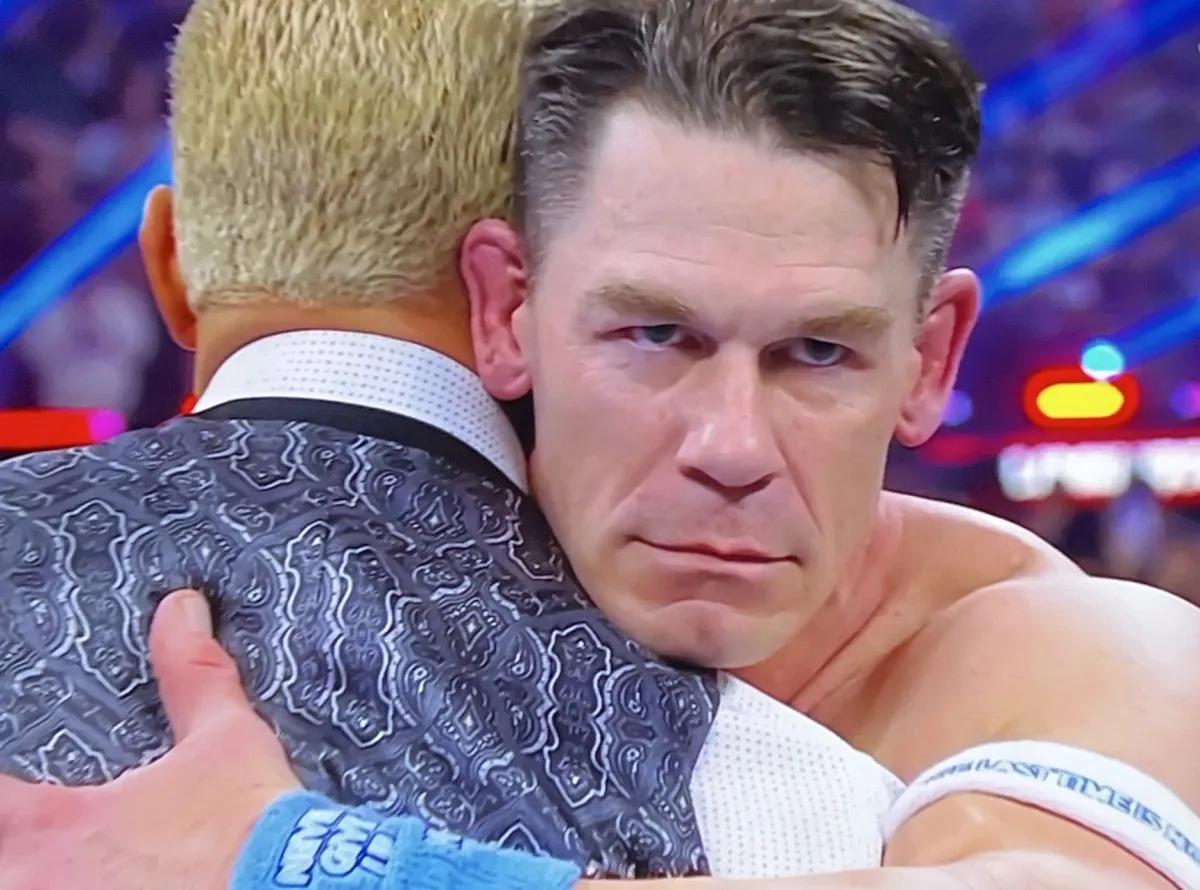
This divide mirrors the very reaction Cena himself received throughout his career. It seems fitting that even in hypothetical scenarios, John Cena remains a polarizing figure, capable of stirring passionate debate among wrestling enthusiasts.
Conclusion: A Fascinating What-If in Wrestling History
Triple H’s bombshell revelation about the John Cena heel turn that almost happened live serves as a powerful reminder of the countless decisions that shape the wrestling industry behind the scenes. It illustrates the tension between creative storytelling and business considerations, a balancing act that WWE must constantly navigate.
While fans may never know exactly how a heel John Cena would have altered wrestling history, the very idea is enough to spark endless debate and imagination. It’s a testament to Cena’s cultural impact that, even years later, a storyline that never came to fruition can dominate headlines and ignite passionate discussion.
In the end, John Cena remained the unwavering hero WWE needed, a symbol of loyalty, resilience, and mainstream appeal. But thanks to Triple H’s candid revelation, fans now have a tantalizing glimpse into an alternate reality — one where the cheers turned to boos, the hero embraced the dark side, and John Cena became one of the most unforgettable villains the wrestling world had ever seen.
Related News