Called ‘One of the Biggest Robberies in Boxing’ – But Why Does History Still Belong to Parker?
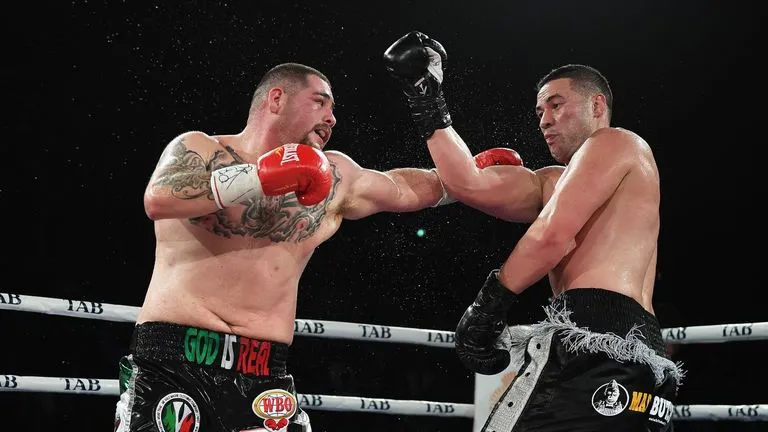
It was a night that divided the world of boxing—one fighter made history, another walked away in disbelief, and the entire sport was left asking: Did the judges get it wrong? On December 10, 2016, Joseph Parker became the first New Zealander to win a world heavyweight title, defeating the undefeated and explosive Andy Ruiz Jr. by majority decision in Auckland. The scores: 115‑113, 115‑113, and 114‑114. That final number didn’t just appear on the cards—it echoed across headlines, social media, and living rooms worldwide.
But how does a fight that left half the boxing world crying robbery still manage to be remembered as a proud national moment? Why does history—despite the noise—still stand on Parker’s side? What really happened that night inside Vector Arena?
A Night of Firsts: Parker’s Win Was More Than Just a Victory
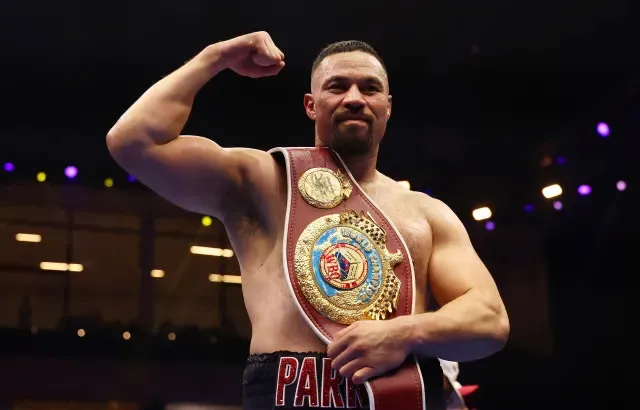
For boxing fans in New Zealand, this wasn’t just another title match—it was a moment decades in the making. Before Parker’s win, no New Zealander had ever claimed a version of the world heavyweight championship. Not David Tua. Not anyone else. Parker’s hand being raised that night meant something far beyond scorecards. It meant legacy. And whether you believe he won clean or not, the WBO title still traveled home with him, and so did a country’s pride.
The Decision That Sparked Outrage: Was Ruiz Robbed?
From the very moment Michael Buffer read the final scores, murmurs began. Then came the boos. Then came the chaos online. “Ruiz was robbed,” screamed headlines and Twitter feeds alike. Even Lance Revill, then-president of the New Zealand Professional Boxing Association, publicly called the decision “a disgrace,” insisting Ruiz won at least eight rounds. One unofficial card had it 118-111 for Ruiz. Some went even further, calling the bout “an embarrassment to the sport” and a “stain on New Zealand’s boxing credibility.” And yet, none of it could change the outcome.
Here’s where it gets even more intriguing: Parker didn’t deny the fight was close. In a rare moment of humility, he acknowledged, “It was a very tight contest. I can understand why people questioned it.” But what he didn’t do was apologize for the win. Because from his corner, he had done just enough—and history would record it that way.
The Brutal Reality: Ruiz Was a Beast That Night
Ruiz Jr. didn’t come to New Zealand to lose. Undefeated at 29–0 with 19 knockouts at the time, he was fast, powerful, and relentless in the first half of the fight. He backed Parker up early, dominating the center of the ring, landing combinations that made fans wince. At one point, Ruiz’s shots were so thunderous that Parker later admitted he went deaf in one ear. That’s not hyperbole. That’s how hard Ruiz was hitting.
And yet, Ruiz didn’t put Parker away. For all his early dominance, he couldn’t finish the job. Whether it was altitude, nerves, or sheer exhaustion, Ruiz began to fade in the mid-rounds—just as Parker found his rhythm.
Parker’s Game Plan: Survive Early, Strike Late
While Ruiz exploded out of the gate, Parker’s strategy was all about endurance. According to boxing analysts, Parker’s footwork, movement, and mid-fight adjustment helped him stay afloat through the storm. From Rounds 6 through 12, the Kiwi began to sneak in jabs, control space, and steal close rounds. He never dominated, but he didn’t have to. In a sport where perception is everything, Parker’s late surge may have been just enough to sway two judges—especially in front of a passionate home crowd.
Boxing News 24 noted at the time: “Ruiz came out strong, but the smarter fighter won.” But smart doesn’t always mean clean. And that’s what keeps this fight so fascinating.
Home Advantage? The Unspoken Bias No One Wants to Admit
Let’s talk about the elephant in the room: home turf. Parker was fighting on his own soil. The crowd, the environment, the narrative—it was all leaning his way. And whether intentional or not, home advantage has a long, controversial history in boxing decisions. Was that what tipped the scales? Were the judges subconsciously influenced by the roar of 10,000 Kiwi fans after every jab?
We’ll never know. But it raises a larger question: Can you ever truly win a decision in your opponent’s backyard? Ruiz tried. And perhaps, he came closer than anyone realized.
So Why Does Parker Still Own the Moment?
Because in the end, boxing doesn’t always remember how you won—only that you did. Parker’s name is in the record books. He’s a world champion. Ruiz, for all his grit, would have to wait another three years and a miracle night at Madison Square Garden to make his own history.
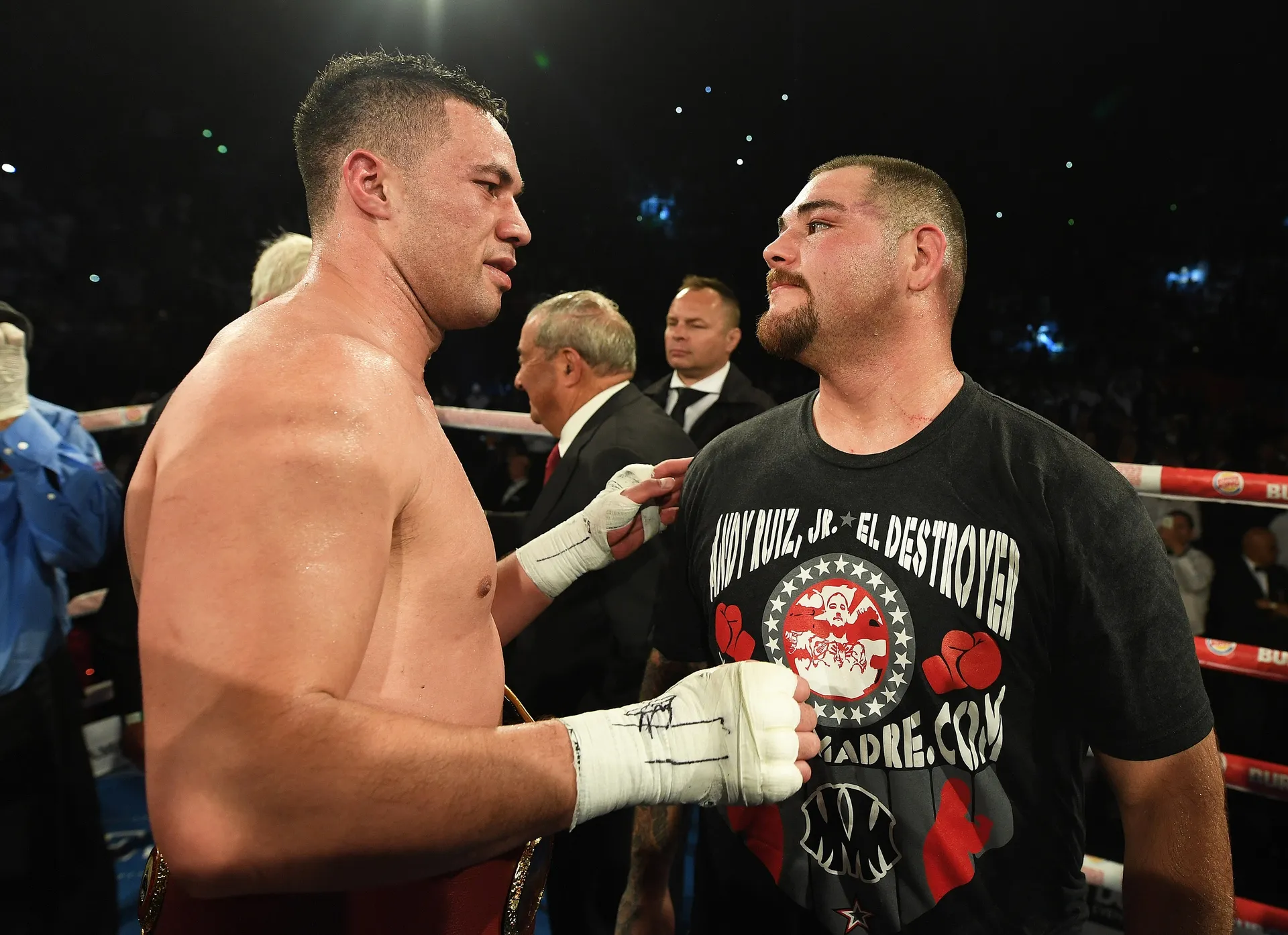
What happened in Auckland will always be debated. Was it a robbery or a razor-thin tactical victory? Did Parker survive or truly conquer? Maybe it’s both. And maybe that’s why the fight still haunts boxing fans—and headlines—today.
Legacy vs Controversy: What Will History Choose to Remember?
Nearly a decade later, the fire still burns. Boxing purists revisit the tape, re-score every round, and argue on Reddit threads. Ruiz fans hold onto the “he got robbed” mantra like gospel. But for New Zealanders, Parker’s win remains a beacon, a national high point, and an undeniable achievement. In boxing, legacy is built not only on knockouts but on moments. And Parker’s moment—however contested—was unforgettable.
Final Thoughts: Maybe It Was Close… Maybe It Was Controversial… But It Was Also History
If you’re looking for a clean-cut hero-villain story, you won’t find it here. What you will find is one of the most polarizing, emotional, and debated decisions in modern heavyweight boxing. And as long as boxing is a sport driven by passion, drama, and human error, nights like Parker vs. Ruiz will continue to live on—not just in highlights, but in heated conversations, long threads, and forever-split opinions.
So the next time someone tells you Joseph Parker didn’t deserve that win, ask them this:
“Then why is his name in the history books… and not Ruiz’s?”
Related News