Shocking ultimatum to Toyota: ‘Give me a raise—or I’m out.’ But Rovanperä did the unexpected.
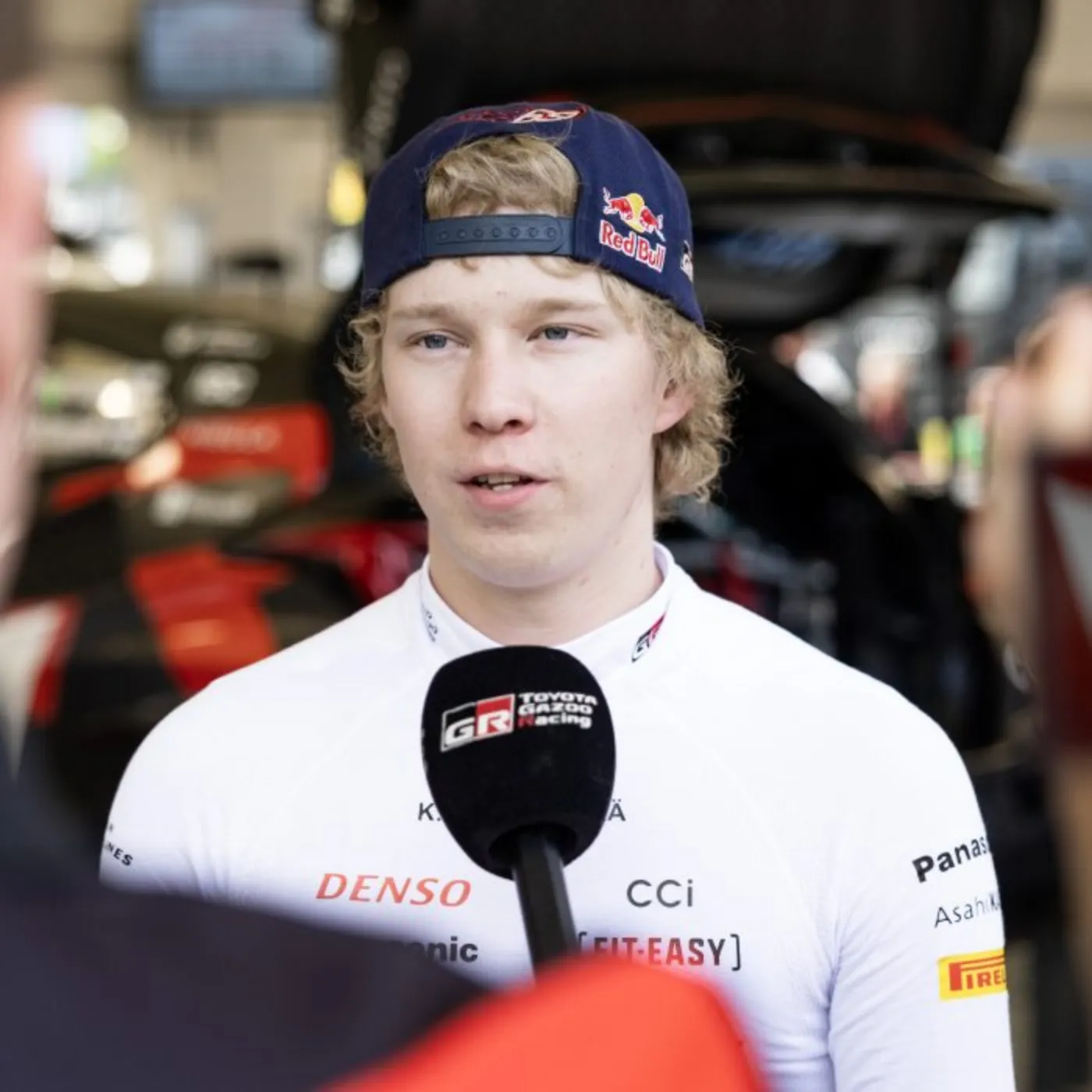
In the high-stakes world of rally racing, where grit meets glory and every second counts, few names shine as brightly as Kalle Rovanperä. A rising icon in the motorsport universe, his track record with Toyota has been nothing short of spectacular. Yet, behind the accolades and champagne-soaked podiums, a shocking ultimatum surfaced—one that threatened to derail not just a career, but an entire legacy.
“Give me a raise—or I’m out.”
That statement, whispered in hushed tones behind closed paddock doors, sent ripples through the entire WRC circuit. Was it a bluff? A power move? Or the opening act of a story far stranger than anyone could have predicted? What followed next was something even seasoned insiders couldn’t foresee: Rovanperä did the unexpected.
The Ultimatum That Caught Everyone Off Guard
The motorsport world thrives on risk, adrenaline, and precision. But negotiations? That’s a different race altogether. According to multiple sources close to the Toyota Gazoo Racing team, the young Finnish star had grown increasingly frustrated behind the scenes.

Despite delivering world-class performances and helping Toyota clinch multiple titles, his compensation remained, in his view, out of sync with his value.
The ultimatum wasn’t shouted into a microphone. It wasn’t tweeted in a late-night fury. It was reportedly delivered in classic Rovanperä style—calm, composed, but undeniably firm: a demand for not just a pay increase, but respect, recognition, and a clearer long-term commitment.
Toyota, blindsided and perhaps unprepared for such a direct challenge, was left reeling. Negotiations stretched. Tension grew. The motorsport media caught wind of the dispute, and speculation erupted. Would Toyota let their prodigy walk? Would Rovanperä defect to a rival team? Fans, pundits, and sponsors braced for impact.
But then… he pivoted.
Instead of leaving Toyota or making a dramatic switch, Rovanperä announced a part-time schedule. The man who had the leverage to demand the moon stepped away—not from Toyota entirely, but from the grind of full-season racing.
This was no temper tantrum. This was chess.
Rather than escalating conflict, he removed himself from the board. Temporarily, strategically. And in doing so, he seized control of the narrative in a way no one saw coming.
Some said he needed time to recharge. Others whispered about offers from other motorsport disciplines—Le Mans, Formula E, even drifting. But the truth may be simpler and yet more profound: Rovanperä was choosing peace over pressure, autonomy over autopilot.
In stepping back, he avoided burning bridges while simultaneously reinforcing his value. Toyota now faced the real possibility of a future without him—and the consequences of undervaluing their brightest star.
The move redefined the idea of a “driver break.” It wasn’t a retreat. It was a calculated maneuver designed to reset expectations and tip the balance of power in his favor.
Power, Perception, and the Price of Greatness
This story isn’t just about salary disputes or contract clauses. It’s about power: who holds it, who uses it, and who dares to take it back.
By refusing to play the traditional game, Rovanperä rewrote the rules. He didn’t need a shouting match. He didn’t need to jump ship. Instead, he used the most dangerous weapon in any negotiation: silence, space, and unpredictability.
In doing so, he reminded everyone—teams, fans, even other drivers—that in an era where athletes are often seen as assets, it’s possible to reclaim the story.
So what happens next? Does Toyota up the ante and lock him in long-term? Does Rovanperä take his talents to another series? Or does he return in full force, backed by a new deal and an even sharper edge?
Only time will tell. But one thing is certain:
The shocking ultimatum to Toyota was real.
And the decision that followed?
That was the masterstroke of a driver who refuses to be predictable.
The Psychological Warfare Behind the Wheel
Athletes at the top level are not just machines of performance; they are strategists of perception. And in motorsport, perception is everything. For Rovanperä, the move to step back while still keeping one foot in the game wasn’t about quitting—it was about signaling. To Toyota. To sponsors. To fans. And perhaps most importantly, to himself.
He needed space. Rally driving is notoriously grueling, both physically and mentally. The calendar is unforgiving, the risks are high, and the pressure never ceases. By voluntarily slowing down, Rovanperä reclaimed something almost every elite driver loses: the ability to breathe.
Fans have speculated that this time away will allow him to explore other ventures—both on and off the track. Whether it’s testing other vehicles, diving into business, or even mentoring younger drivers, the possibilities are as limitless as his skill set.
In choosing to rewrite his own pace, Rovanperä might be giving us a preview of the modern driver: adaptable, strategic, and deeply aware of the long game.
A Warning to the World of Motorsport
What makes this saga so gripping isn’t just the drama or the headlines. It’s the deeper message it sends to the motorsport industry. Gone are the days when drivers would silently endure misaligned contracts or quietly play second fiddle for the sake of tradition.
The new generation wants more. More say. More flexibility. More humanity.
And as Rovanperä has now shown, they know exactly how to demand it—without ever needing to raise their voice.
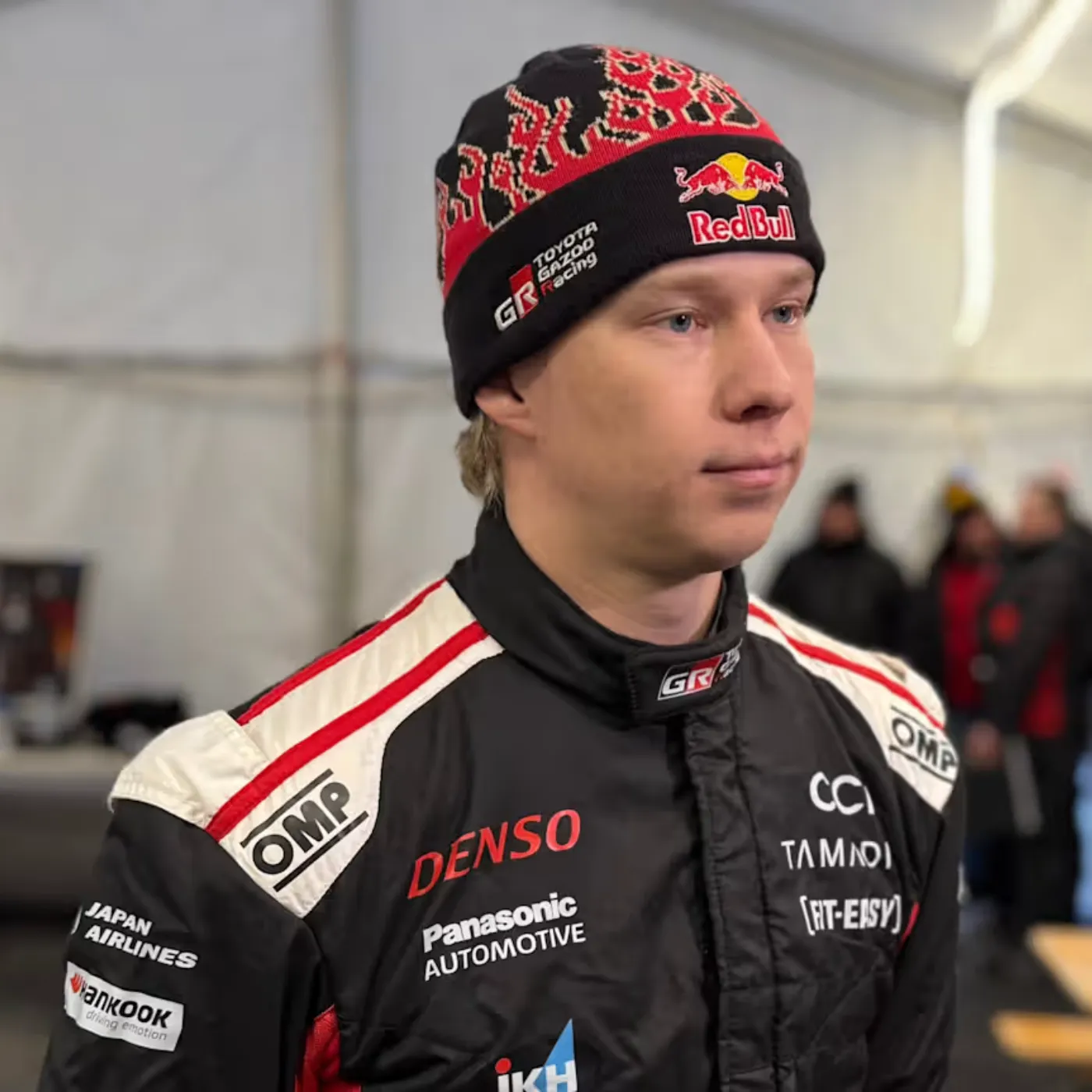
This isn’t just a story about a pay dispute. It’s a turning point in the culture of competitive racing. It’s a reminder that even in a sport defined by velocity, sometimes the most powerful move is to slow down.
The Calm Before His Next Storm
In the months to come, much will be said about contracts, career paths, and possible comebacks. Motorsport forums will light up with theories, fans will scrutinize his every move, and journalists will chase the story behind the story. But amid all the noise, one truth stands out: Kalle Rovanperä has changed the rules of engagement.
What makes his case fascinating isn’t just the boldness of his ultimatum—it’s the sophistication of what followed. It was a reminder that athletes no longer need to accept the status quo. That stepping back doesn’t mean stepping down. That walking away from the driver’s seat, even temporarily, can sometimes be the most powerful gear shift of all.
Rovanperä’s temporary retreat gave him more than time—it gave him control. It rebalanced a relationship that had quietly become uneven. And in doing so, he proved that leverage isn’t just about contracts or performance metrics—it’s about clarity. Knowing your worth. Knowing what you’ll accept. And most critically, knowing when to say “enough.”
There’s something cinematic about it. The quiet storm. The confident exit. The suspenseful wait. And the inevitable return.
Because make no mistake: Rovanperä will return. And when he does, he won’t just be another contender in the WRC arena. He’ll be something far more dangerous. A man who left at the top—and came back on his own terms.
He didn’t storm out. He didn’t beg. He made a bold declaration, then made an even bolder choice. And now, the motorsport world watches and waits, knowing full well that when Rovanperä returns, he won’t just be racing to win.
He’ll be racing on his own terms.
Related News