







Harry Styles Sparks a Storm with ‘Pleasing Yourself’ – When Personal Comfort Becomes a Statement of Fashion and Wellness
In a cultural moment where wellness and self-expression collide more than ever, Harry Styles—the British icon who redefined masculinity in music and fashion—has ignited yet another conversation. This time, it’s not with a chart-topping single or a red carpet moment, but with a bold and deeply personal lifestyle launch: “Pleasing Yourself.”
The name alone dares to provoke, but the message behind it goes even deeper—a declaration of self-love, emotional well-being, and unapologetic individuality, wrapped in minimalist packaging and an inclusive philosophy.
A Bold Move—But Not an Unexpected One
If you’ve been following Harry Styles’ career, this isn’t a left turn. It’s the next chapter.
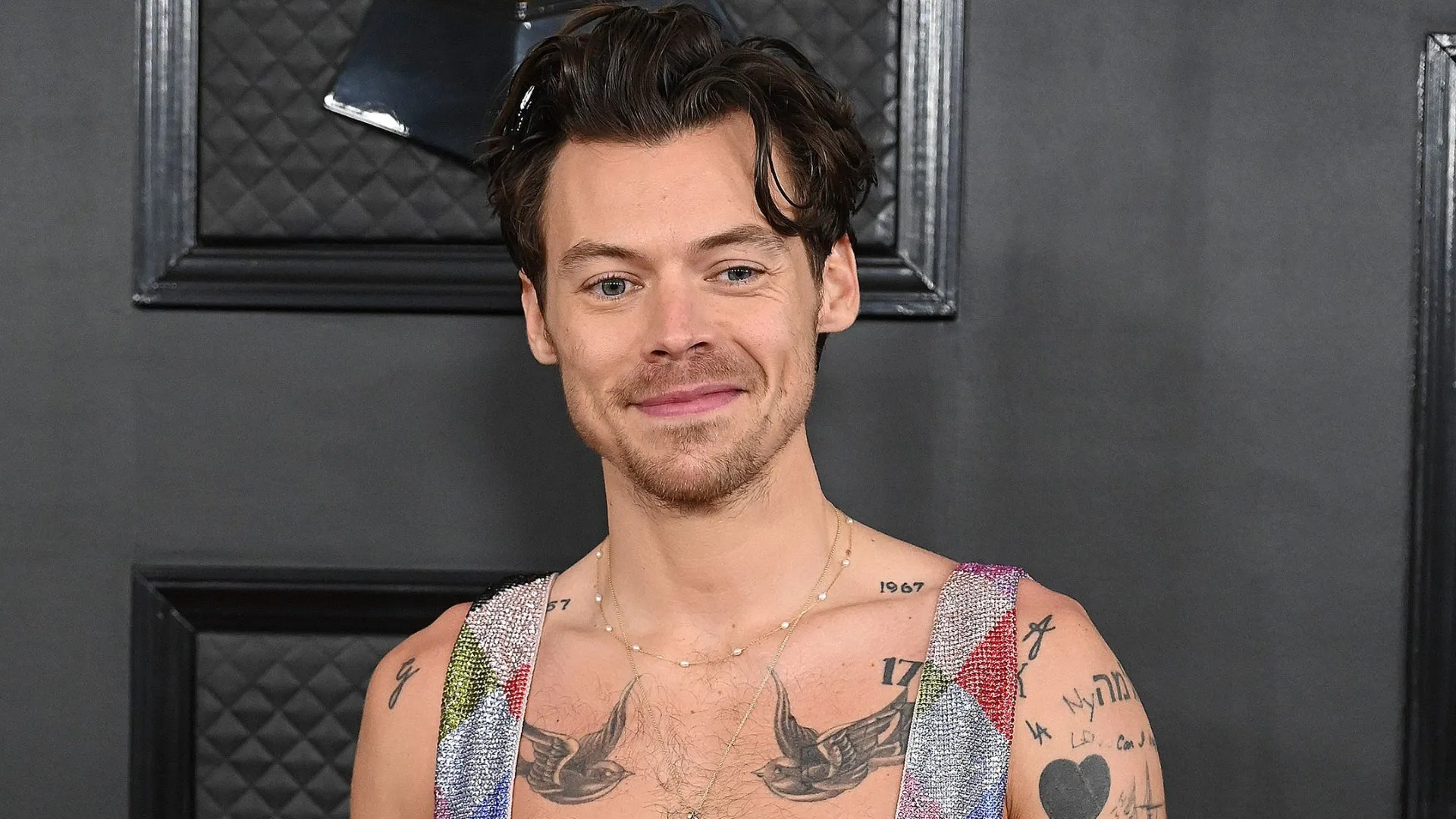
From his boy-band beginnings with One Direction to the fluid fashion statements that graced the covers of Vogue, Styles has long championed freedom of self-expression. His genderless nail polishes and skincare brand Pleasing already blurred lines between beauty, identity, and artistry. Now, “Pleasing Yourself” signals a step further—from aesthetic self-care to emotional and physical self-respect.
What Exactly Is “Pleasing Yourself”?
On the surface, it’s a new lifestyle collection under the Pleasing brand. But Styles isn’t here to sell you products. He’s here to sell you an idea—that self-comfort, in all its forms, is not shameful, selfish, or taboo.
The Name Itself Is a Message
While the phrase “pleasing yourself” may raise a few eyebrows, especially among the more conservative crowd, its double entendre is intentional. According to Styles’ creative team, it’s meant to remind people of the importance of:
Taking time for oneself
Embracing one’s body
Engaging in emotional self-care
Rejecting shame around personal well-being “It’s about touching parts of your life that you’re taught to ignore—emotionally, physically, mentally,” a brand insider told The Guardian.
The collection includes items like soothing skin balms, scented comfort oils, silk robes, and gender-neutral wellness tools—designed not just for beautification, but for ritual, intention, and affirmation.
Design that Whispers, Not Screams
The visual aesthetic of “Pleasing Yourself” mirrors the ethos of the campaign: understated, intimate, and deeply human.
No loud logos. No overt sexual imagery. Just soft shapes, earth tones, and containers that look like they belong on your bedside table—not your Instagram grid.
Styles’ creative director called it a “love letter to subtlety”—a phrase that feels fitting for a star who’s always known how to say the most with the least.
Breaking the Silence Around Self-Care
What makes this campaign go viral isn’t just the name or the celebrity behind it—it’s the cultural tension it taps into.
For decades, personal wellness, especially anything tied to sexual health or emotional vulnerability, has been seen as something shameful or hidden. Even in the age of “self-care Sundays,” there are areas of discomfort we refuse to name.
Styles names them. And more than that—he invites us to normalize them.
Key Themes in the Campaign Messaging:
Body acceptance across all shapes, sizes, and gender identities
Mental health advocacy through tactile rituals
Freedom from guilt when it comes to self-soothing and personal pleasure
A vision of wellness that’s not just for women, but truly inclusive “This is about removing shame from things that shouldn’t carry it,” Styles said in an interview with Dazed. “It’s not provocative. It’s personal.”
Fans and Experts Are Paying Attention
Public Reaction: Explosive Yet Empowering
The hashtag #PleasingYourself exploded on social media within hours of the collection’s launch, with thousands sharing stories of how they connect with the message. “This isn’t just about buying a balm or a fragrance,” wrote one fan on X (formerly Twitter). “It’s about giving myself permission to be soft.”
Influencers and beauty editors are already calling it the most intimate celebrity launch of the year.
Expert Opinions: More Than a Marketing Move
Psychologists and sociologists are hailing the campaign as a smart and compassionate intersection of commerce and cultural healing.
Dr. Elise Harland, a gender and media expert from UCLA, told The Cut: “Harry Styles is using his platform to rewire how a generation thinks about care, touch, and emotion. That’s not a gimmick. That’s a cultural shift.”
Controversy? Of Course—But It’s Not Stopping the Momentum
As expected, not everyone is thrilled. Certain conservative voices online have accused the campaign of “pushing an agenda” or being “too suggestive.” Some media outlets have run op-eds questioning “whether this is what masculinity has come to.”
But the backlash feels like background noise compared to the wave of support. Gen Z, in particular, sees the campaign as a refreshingly honest take on what it means to be whole. “It’s weird how we’re taught to hydrate our face but not talk about our feelings,” commented a viral TikTok creator. “Pleasing Yourself just makes sense.”

Redefining a Brand—and a Generation
“Pleasing Yourself” is not a rebrand. It’s an evolution. The original Pleasing line may have started with nail polish and serums, but it’s now becoming a philosophy of living:
Be kind to your body.
Stay curious about yourself.
Never apologize for what brings you peace.
Harry Styles is not just building a wellness brand—he’s offering a cultural framework. One where personal pleasure is reframed as a right, not a secret.
A Legacy of Freedom and Gentleness
Harry Styles is more than a pop star. He’s become a cultural barometer—measuring how far we’ve come, and how far we still need to go.
With “Pleasing Yourself,” he once again proves he’s not afraid to start uncomfortable conversations, especially when those conversations can free people from shame.
This isn’t about selling out arenas. It’s about creating a quieter kind of stage—the one in your room, in your rituals, in your most private moments.
And on that stage, Harry Styles is whispering something powerful: “You are allowed to feel good. You are allowed to be soft. You are allowed to please yourself.”