







Miley Cyrus Smashes 9M Views in 24 Hours—Spotify Billions Club Slays The Weeknd
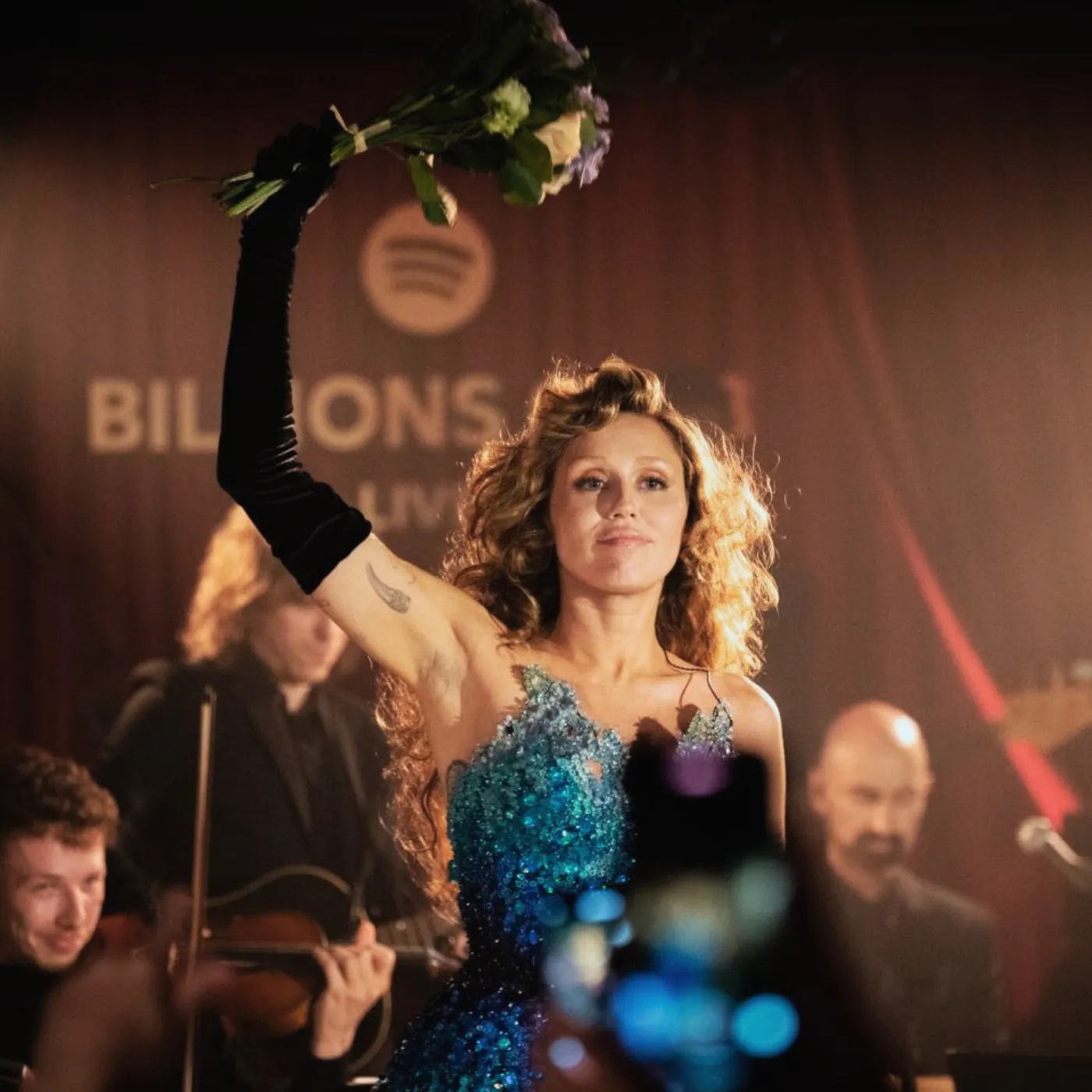
In just 24 hours, Miley Cyrus shattered expectations, shattered algorithms, and shattered a record most thought was sealed for the year. Her Spotify Billions Club live performance hit 9 million views, blitzing past The Weeknd’s own Billion Club session—one that had held the platform’s crown since its release in January.
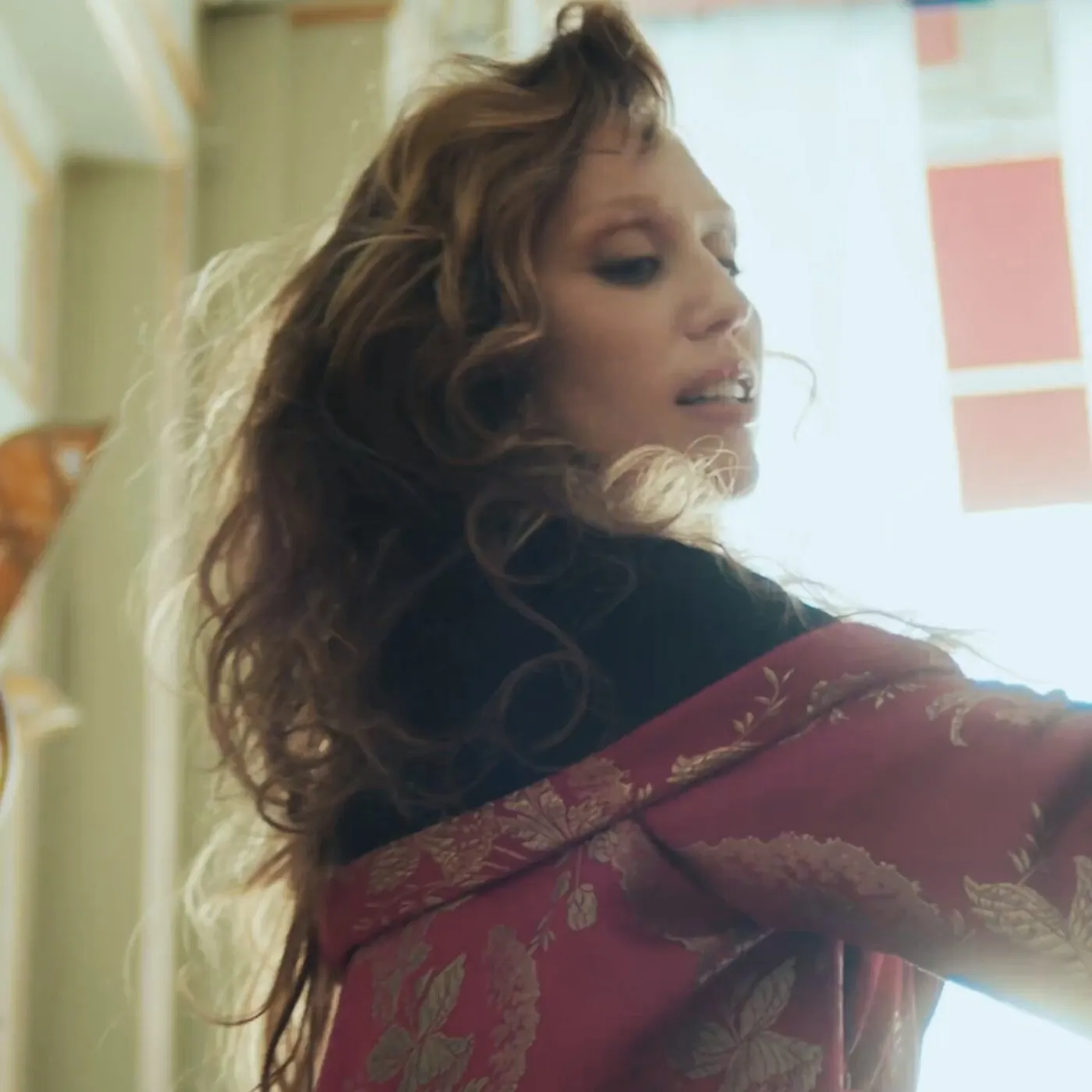
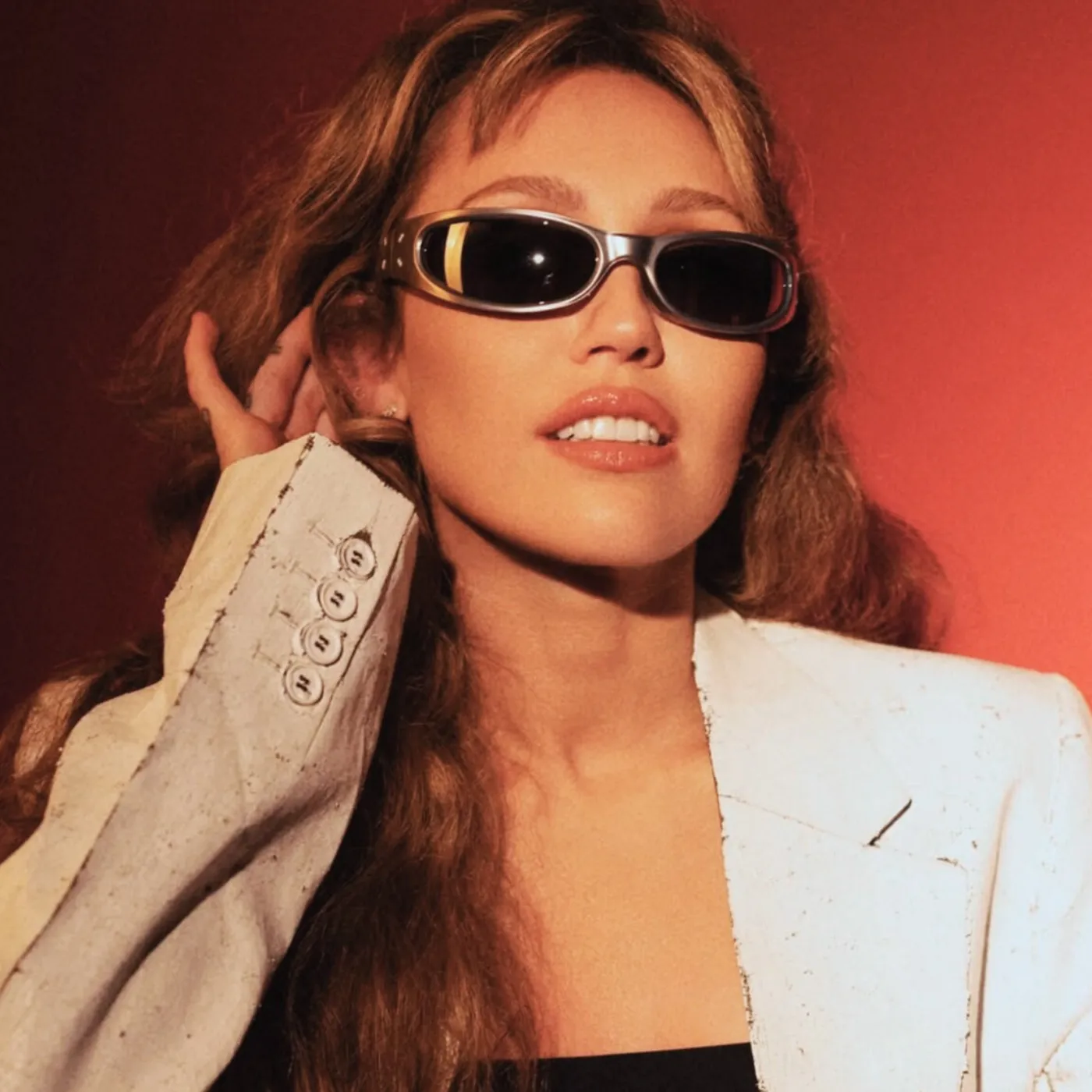
But this wasn’t just a numbers game. It was a fashion-forward takeover, a spectacle wrapped in sequins, attitude, and ambition. From Margiela’s ghostly glamour, to Mugler’s blade-sharp silhouettes, and a surprise nod to Bob Mackie’s theatrical decadence, Miley didn’t just perform—she declared war on music mediocrity.
And now, the internet is struggling to catch its breath.
9 Million in a Day—Why the Numbers Matter
Let’s not sugarcoat it—Spotify’s Billions Club is a curated space where only the most streamed tracks live. Think global. Think massive. Think untouchable. That is, until Miley crashed the gate.
Her rendition of hits like “Flowers”, “Wrecking Ball,” and “Party in the USA” in the Billions Club live session ignited a storm of views, shares, and controversy. In just 24 hours, she soared past the 9M mark—something even The Weeknd’s flawlessly produced session couldn’t achieve in the same timeframe.
What makes this even more explosive? Miley didn’t just outsing—she outdressed, outstaged, and outstrategized.
The Outfits Were Loud—and the Message Was Louder
Fashion insiders lost their minds, and rightly so. The styling was not subtle. It was a battle cry.
Maison Margiela gave her a haunting, avant-garde edge—bare skin under gauze-like mesh, layered over with metallics that shimmered like danger.
Bob Mackie, the king of glam spectacle, sent Miley into showgirl territory—but stripped of camp and injected with hard precision.
And Mugler? The body armor. Literally. She wore sculpted chrome across her torso like a gladiator in heels.
This wasn’t just wardrobe—it was strategic styling for cultural domination. And fans got the message. Loud and crystal clear.
“Miley’s Not Singing, She’s Leading a Movement,”—One Commenter Wrote
It’s rare for a Spotify session—even one labeled as Billions Club—to go this viral. Typically, these releases trend for a day, make headlines on niche sites, and disappear.
Not this time.
Social media exploded. TikTok edits, YouTube reaction videos, and fan cam supercuts dominated the feed. Twitter (or what’s left of it) dubbed the performance “The fashion Met Gala of streaming.” Others went further:
“She just reclaimed the throne Beyoncé left vacant in live performance dominance.”
“This is what happens when a pop star grows up with nothing left to lose. She becomes untouchable.”
Whether hyperbolic or not, the consensus is clear: Miley’s performance wasn’t for streams—it was for status.
Why This Is a Direct Hit at The Weeknd’s Camp
Let’s be blunt. The Weeknd’s January Billions Club entry was polished, cinematic, and even algorithm-proof. But it lacked the jarring aesthetic rebellion that Miley brought. And fans noticed.
There’s a reason Cyrus’s session is gaining more reposts, more link shares, and a dangerously high save rate on Instagram stories. It’s not just about how she looked but what she dared to look like.
The Weeknd’s visuals leaned moody, cold, and mysterious. Miley came in with fireworks, mirrors, and a throat-slicing stare. She wasn’t asking for permission—she was ripping down the old guard’s banners.
And for every fan that cheered her rise, there was a hater fuming in the comments. Which, let’s face it, is exactly what Miley wanted.
What the Industry Is Now Whispering About
Behind the curtains, music execs are sweating. If Miley Cyrus can dominate Spotify views, digital fashion headlines, and trends for over 48 hours straight—without a brand new album or surprise collab drop—what does that mean for your favorite artist’s rollout strategy?
Insiders have already noted a 15% spike in playlist placements for Miley tracks following the performance. And here’s the kicker: Spotify itself pushed her session harder than most past releases, placing it prominently on app banners in major markets like the U.S., Brazil, the UK, and Japan.
Some speculate that Spotify sees Cyrus as a high-ROI, low-maintenance star—one who can ignite attention without needing a $20M campaign.
That’s bad news for certain artists.
The Aesthetic That Broke the Algorithm
Let’s talk visuals. Her set was structured like a collapsing memory—mirrored floors, smoke-laced lighting, and sudden switches between black-and-white elegance and high-gloss color.
This isn’t random. It’s psychology-driven content marketing at its finest.
Miley has leaned into what fans crave: chaos, unpredictability, a hint of danger, and outfits that say, “I know you’re looking—and you should be.”
Her team’s strategy? Blend high-fashion couture with unhinged energy. The result? Viral without being gimmicky. Chaotic without being amateur. Iconic without begging.
And Then There Was the Voice
Oh, yes. She sang. And she sang like her throat was built from velvet and razor blades. The precision in “Used To Be Young,” the grit in “Prisoner,” and the emotional bleed in “Slide Away”—this wasn’t performance; it was confession.
Even those who can’t stand her were forced to admit it—Miley’s voice has matured into something dangerous. It no longer sounds like Disney. It doesn’t even sound like pop. It sounds like someone with nothing left to prove.
So… What’s Next?
Sources close to the star say Miley Cyrus is planning a deluxe live edition of “Something Beautiful”—a potential Spotify-only EP cut from these Billion Club sessions. That would be a streaming goldmine.
There’s also noise about a collab project with a European fashion house, tied to an upcoming fragrance deal, leveraging the aesthetic of this very performance.
In other words, The Billions Club wasn’t a concert. It was a trailer.
Final Thought: This Wasn’t for the Charts. It Was for the Throne.
Miley Cyrus didn’t need to do this. She’s already had hit after hit. Grammy-nominated. Decade-deep career. Massive tours. Icon status secured.
But this? This was her way of reminding the world that she’s still not playing by your rules. That while the music industry shifts toward TikTok tricks and AI-produced beats, she’s still here—armed with fashion, voice, and warlike vision.
And with 9 million views in a day, one thing is clear:
She didn’t come back to entertain. She came back to take over.