





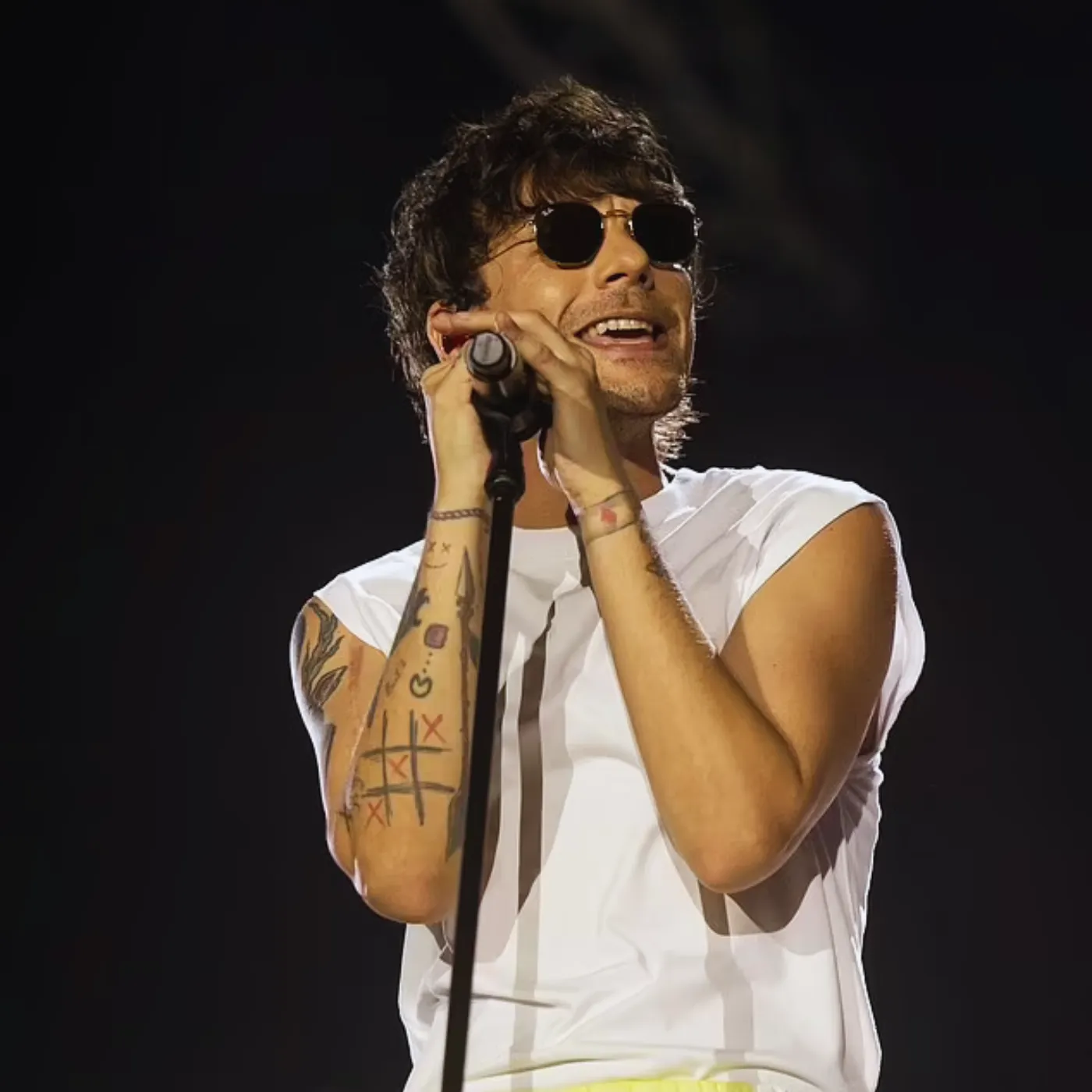
Louis Tomlinson’s Explosive Rant Exposes Internet Conspiracy Drama
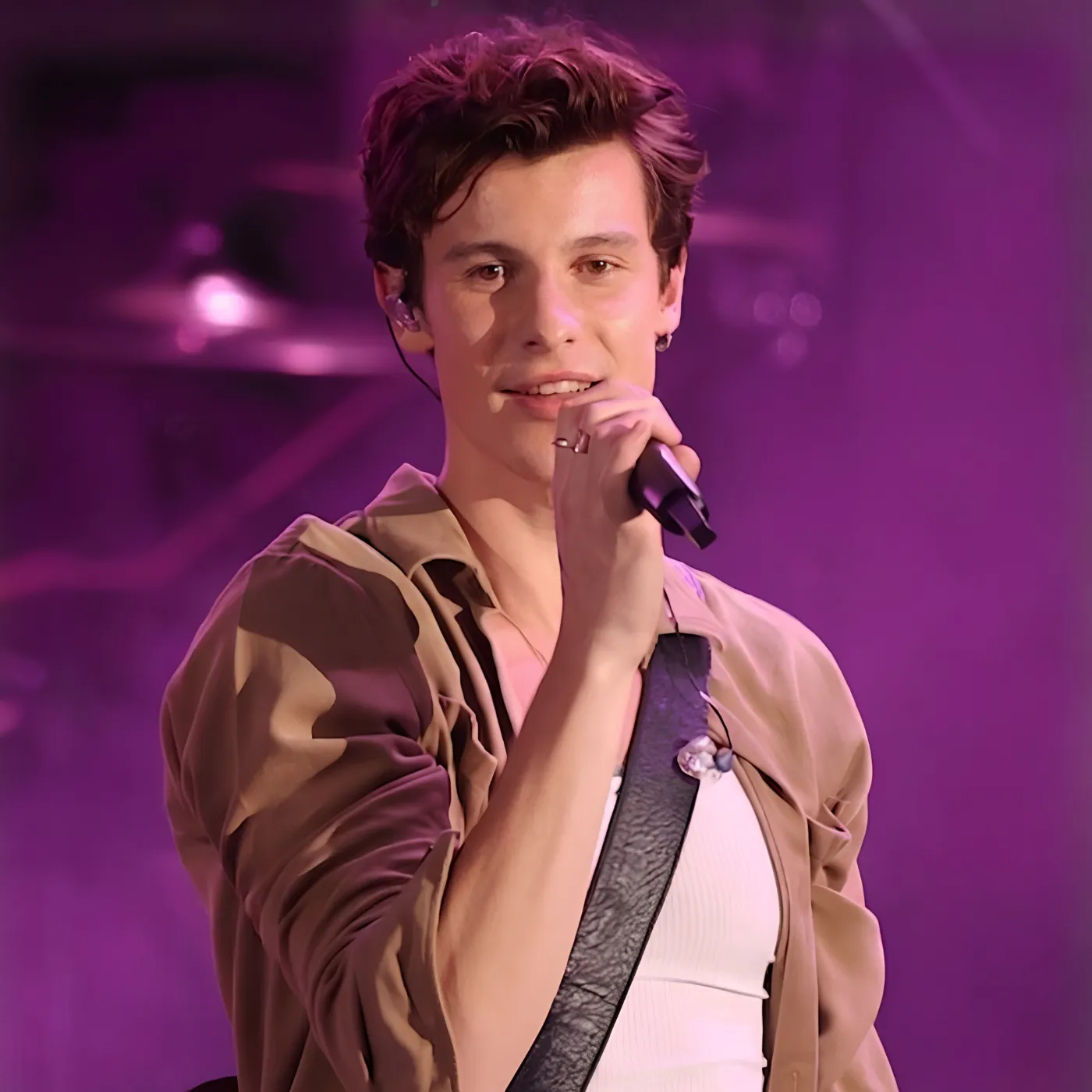
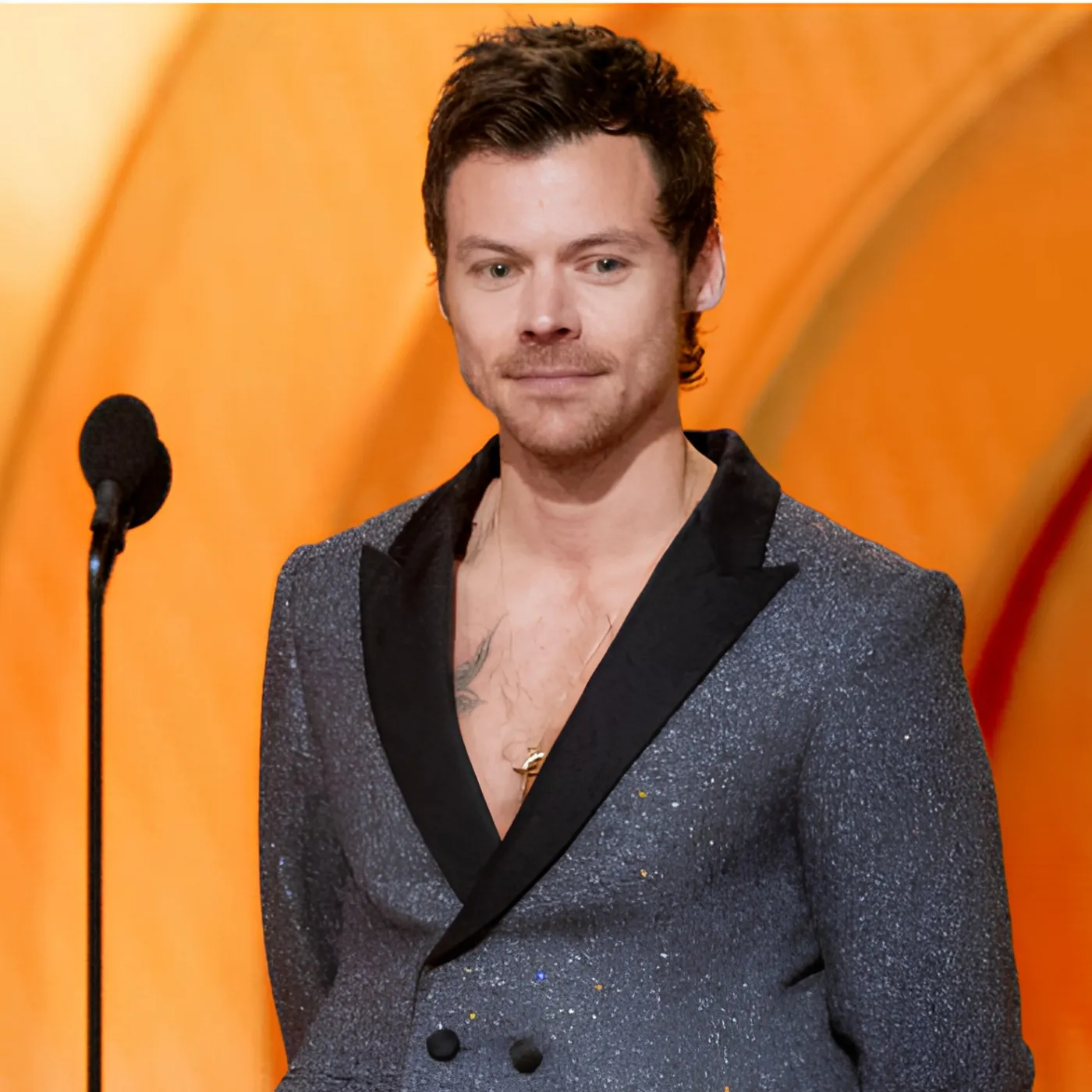
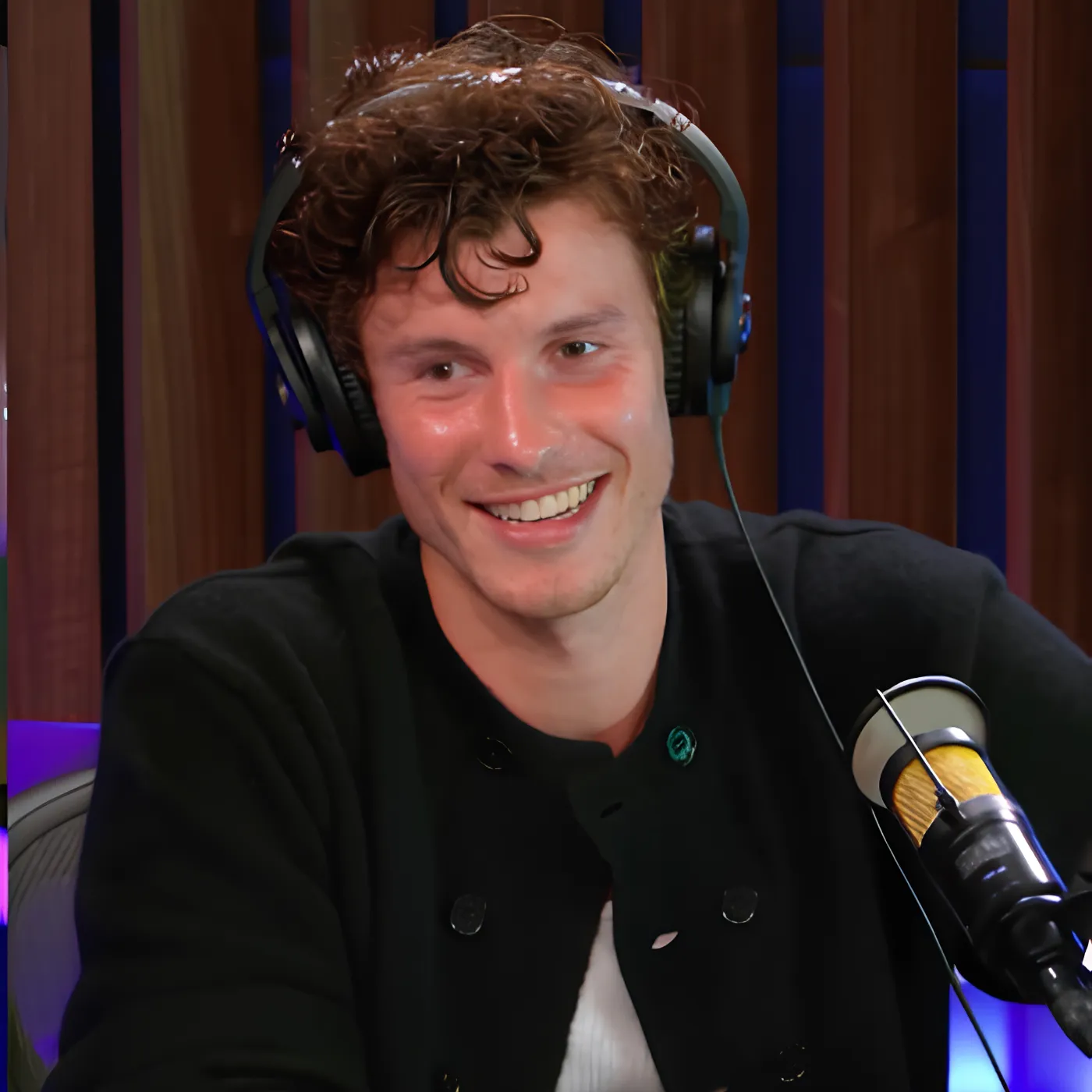
Louis Tomlinson has always been the kind of artist who lets the music speak louder than the noise. But this week, the former One Direction member took a rare and unexpected detour—directly confronting a wave of speculation and online theories about his personal life that have taken over corners of the internet.

And he didn’t mince words.
In a moment that’s now being screen-captured and circulated like wildfire, Tomlinson clapped back at fans and commentators, calling out what he labeled as “conspiracy nonsense” regarding aspects of his private affairs. For a man who typically keeps his cool in the face of tabloid frenzy, this public response has sparked a chain reaction across fan pages, influencer TikToks, and even celebrity gossip outlets.
The question now is: What pushed Louis to this point—and what does it say about the modern culture of celebrity surveillance?
When Privacy Isn’t Enough
For years, Louis Tomlinson has maintained a relatively low profile despite his global fame. While some of his former bandmates have leaned into the spotlight with high-profile romances, brand deals, and viral moments, Louis has often stuck to the music, keeping interviews tight and social media posts focused.
But even his best efforts at privacy haven’t shielded him from the relentless theorizing that comes with mega-fame.
Over the past year, a new wave of online content has emerged—YouTube breakdowns, Reddit threads, and speculative Instagram posts—all weaving deep-dive conspiracy theories about Louis’s personal decisions, past relationships, and even business partnerships. Some of these so-called “fan theories” have gained massive traction, racking up millions of views and tens of thousands of comments.
This isn’t your typical tabloid chatter. We’re talking full-blown timelines, symbolic analysis, and borderline paranoia masquerading as fan interest.
And Louis just had enough.
The Breaking Point
The tipping point came earlier this week when Louis replied to a comment that implied hidden meaning in a recent photo he posted. The comment, referencing a long-running online theory, was just one of thousands—but Louis chose this moment to respond: “It’s honestly mad that people still believe this conspiracy stuff. It’s not real. Never was.”
That single sentence sent shockwaves across the fandom.
It wasn’t just the rare public acknowledgment. It was the tone—direct, dismissive, and tinged with frustration. It was as if years of holding back finally cracked, revealing a star who’s grown weary of the games being played with his image.
Within minutes, #LouisTomlinson began trending again, not for a single or tour announcement, but because of his bold rejection of the narratives being crafted without his consent.
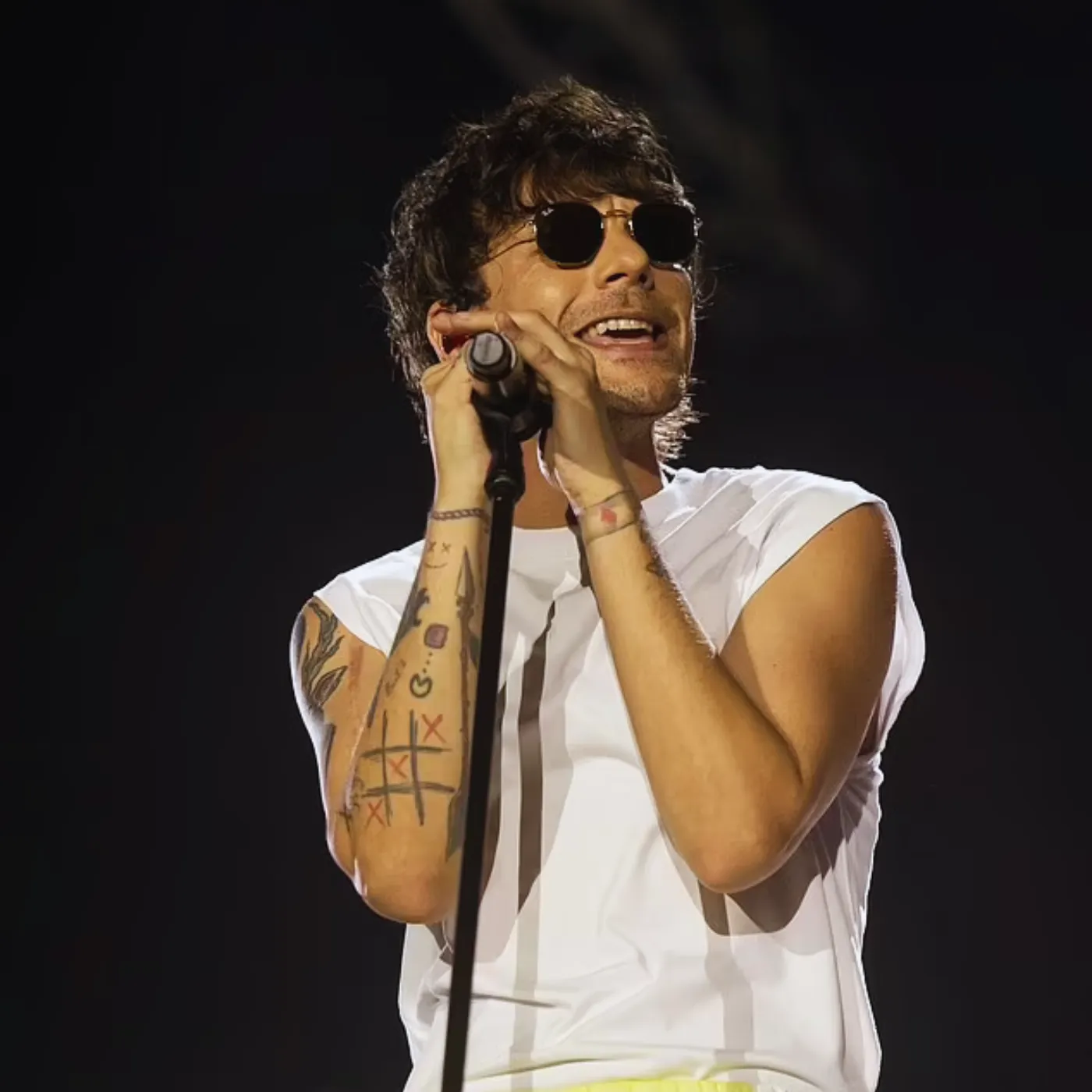
Fans Divided, The Internet Explodes
As expected, Tomlinson’s words divided the internet.
Some fans applauded his honesty, saying it was about time he took control of the narrative. Others felt let down, as if their theories—rooted in obsession more than fact—were being dismissed by the very person they admired. A handful doubled down, claiming his response was “part of the cover-up,” which only underscores the toxic loop of conspiracy culture.
It’s a stark reminder of what celebrity fandom can look like in 2025: obsessive, over-analytical, and increasingly detached from reality.
This phenomenon isn’t new, but what’s troubling is how normalized it has become for fans to act like detectives instead of supporters—hunting for “clues” in livestreams, deciphering the placement of emojis, and spinning entire plotlines out of who was seen standing next to whom.
Why This Moment Matters
Louis Tomlinson’s clapback is more than just a tweet. It’s a cultural checkpoint.
For years, the public has watched musicians, actors, and influencers stay silent as theories about them ran wild—out of fear of inflaming the situation or alienating fans. But Louis just changed the game. By calling it out directly, he’s drawing a line in the digital sand, forcing a reckoning with how far people are willing to go in search of “truth” that’s often just projection.
This moment challenges the illusion that celebrities owe their fans complete transparency. It highlights the reality that not every detail is a puzzle to be solved, not every silence is a hint, and not every decision is up for dissection.
And it raises a larger question: How much access are fans entitled to?
The Cost of Theories and Timelines
Let’s not underestimate the mental toll this kind of attention can take. Being on the receiving end of a constant digital investigation—where your every word, look, or photo is overanalyzed—can be exhausting. It strips away the humanity from the person behind the fame.
For Louis, who has weathered personal tragedy, a competitive solo career, and the weight of being part of one of the most famous boy bands in the world, the pressure has never truly eased.
Calling out the conspiracies may have been a defense mechanism—but it was also a statement of boundaries. And in an age where boundaries are constantly blurred by virality, that’s a bold act in itself.
The Music vs. The Mayhem
Let’s not forget what Louis Tomlinson is actually known for: the music.
With his latest album garnering critical praise and fan love, and his global tour selling out in record time, he’s an artist on the rise. Yet, moments like this threaten to eclipse his achievements, reducing him to a character in a fan-scripted saga instead of allowing him to define his own narrative.
This isn’t just about Louis. It’s about every artist whose name trends for the wrong reasons.
If we’re going to demand authenticity from celebrities, maybe it’s time the internet holds itself to the same standard.
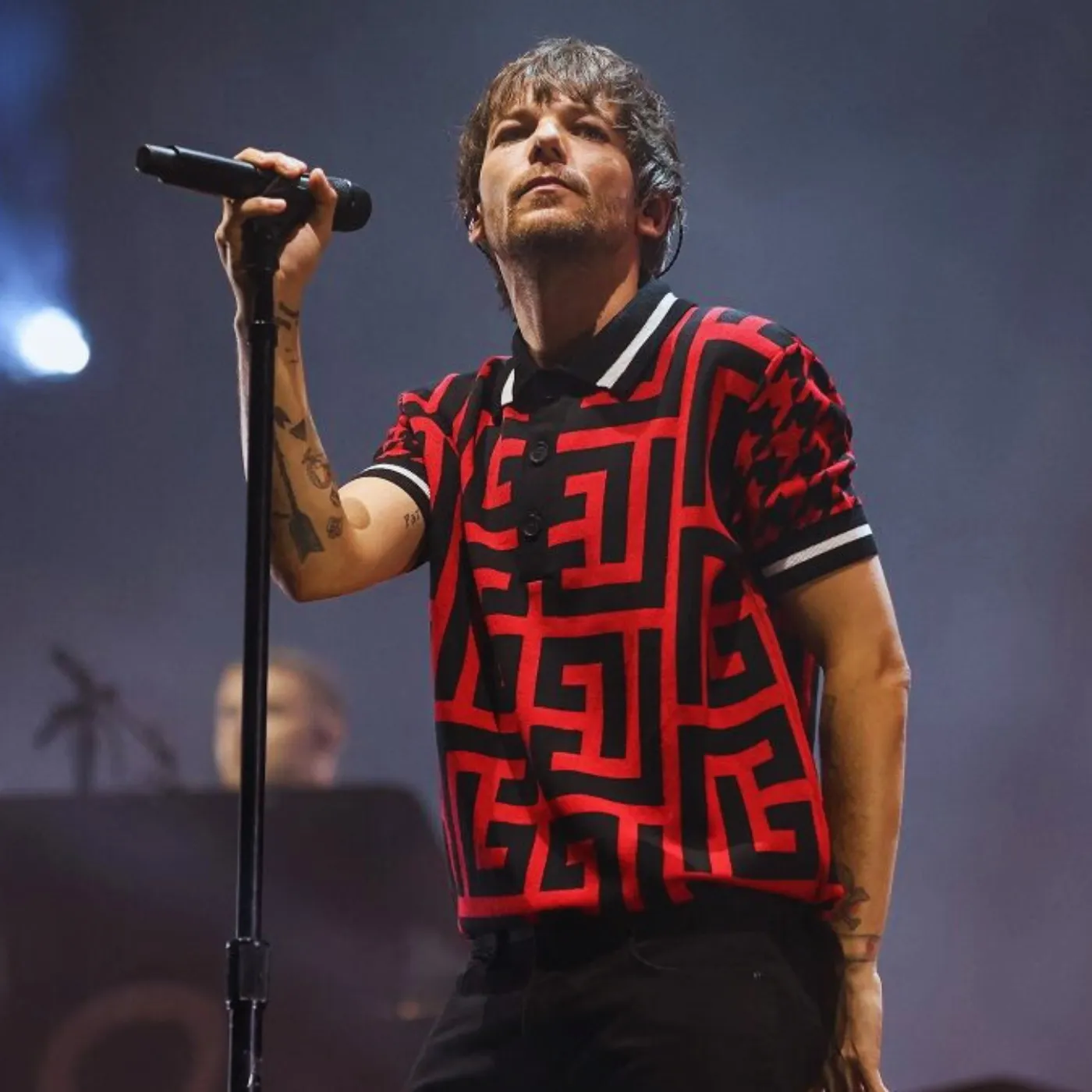
What Comes Next?
After this week’s uproar, all eyes will be on how Tomlinson navigates the next phase of his public persona. Will he double down and speak more candidly about the toll of internet speculation? Or will he retreat back into silence, letting his brief statement speak for itself?
One thing’s for certain: the fan-theory industrial complex just got a wake-up call.
It remains to be seen whether fans will listen—or just dig deeper.
Until then, Louis Tomlinson has made it clear: he’s not here to play games with conspiracy theorists. He’s here for the music, for the journey, and for those who respect the line between curiosity and intrusion.
And that, in today’s climate, may be the most controversial statement of all.