


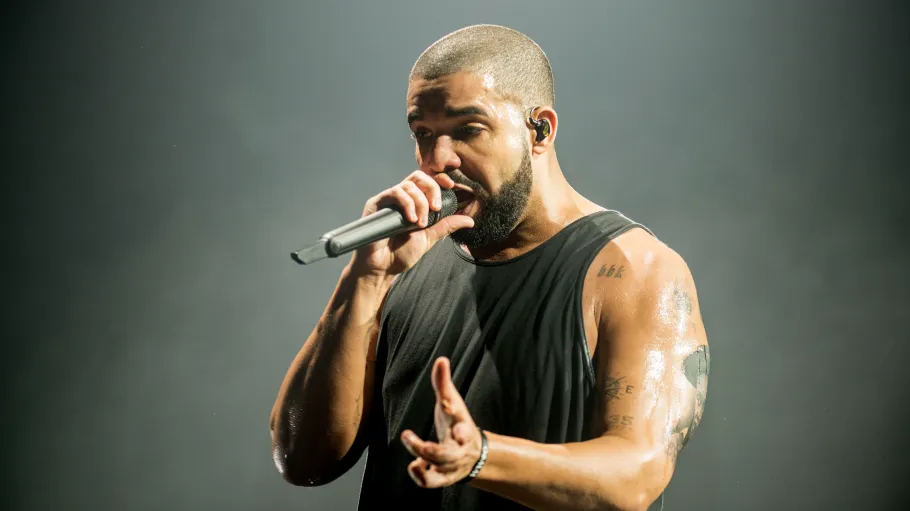
Think “Toosie Slide” Happened Naturally? Drake Mapped It Out for TikTok Before It Even Dropped
“Right foot up, left foot slide” — But was that catchy move truly spontaneous, or part of a carefully planned marketing strategy?
When Drake dropped his single “Toosie Slide” on April 3, 2020, much of the world was stuck indoors, facing the early days of the COVID-19 pandemic. With everyone confined at home, all social activity shifted online — and no platform captured the global sense of boredom quite like TikTok.
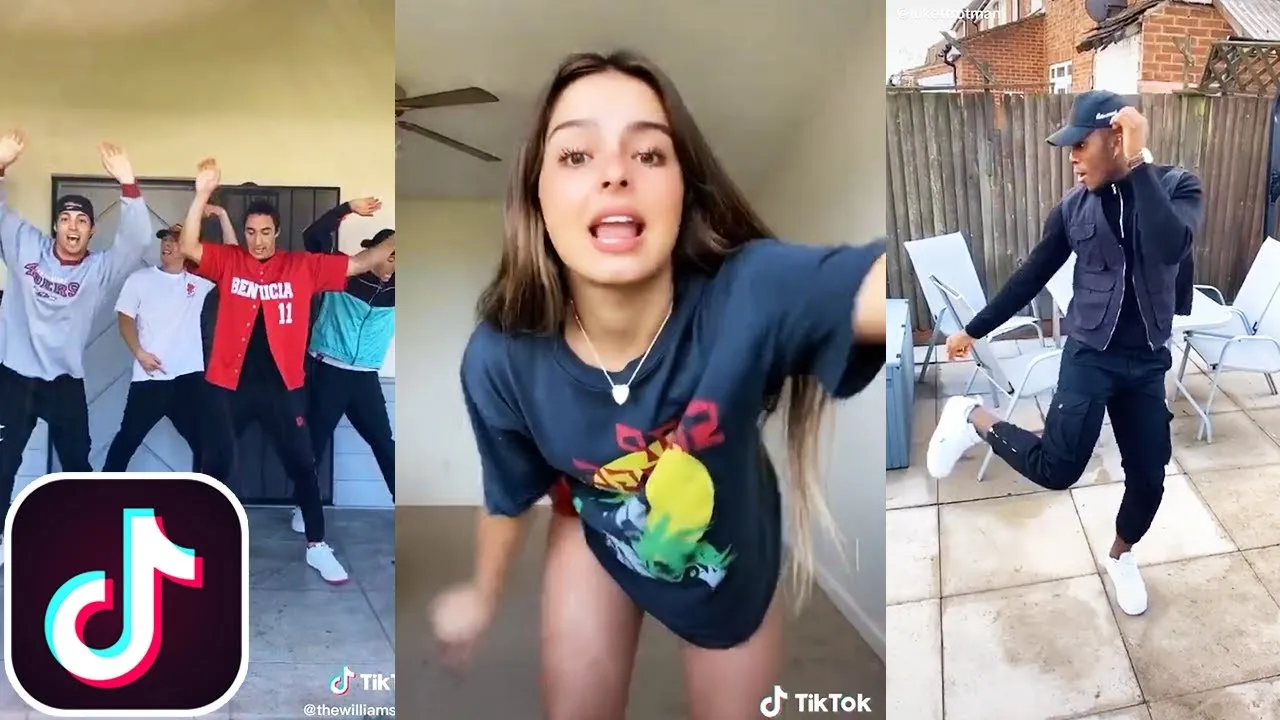
Almost instantly, “Toosie Slide” exploded across TikTok with and what looked like an organic dance trend. Short videos of users mimicking the steps in their bedrooms, kitchens, and driveways flooded the platform. It felt spontaneous. But was it really?
Behind the scenes, this wasn’t just a happy accident. According to multiple industry insiders and reporting from outlets like Genius, Complex, and The New York Times, Drake had meticulously mapped out the song’s viral journey before it even dropped.
The choreography? It was pre-tested and seeded with key influencers. The hook? Designed to be TikTok-friendly and easy to replicate. This wasn’t just a hit — it was a blueprint for going viral.
A Programmed Viral Campaign: Not Randomness, But the Art of Controlling Randomness
Drake “leaked” a demo to plant the seed on TikTok
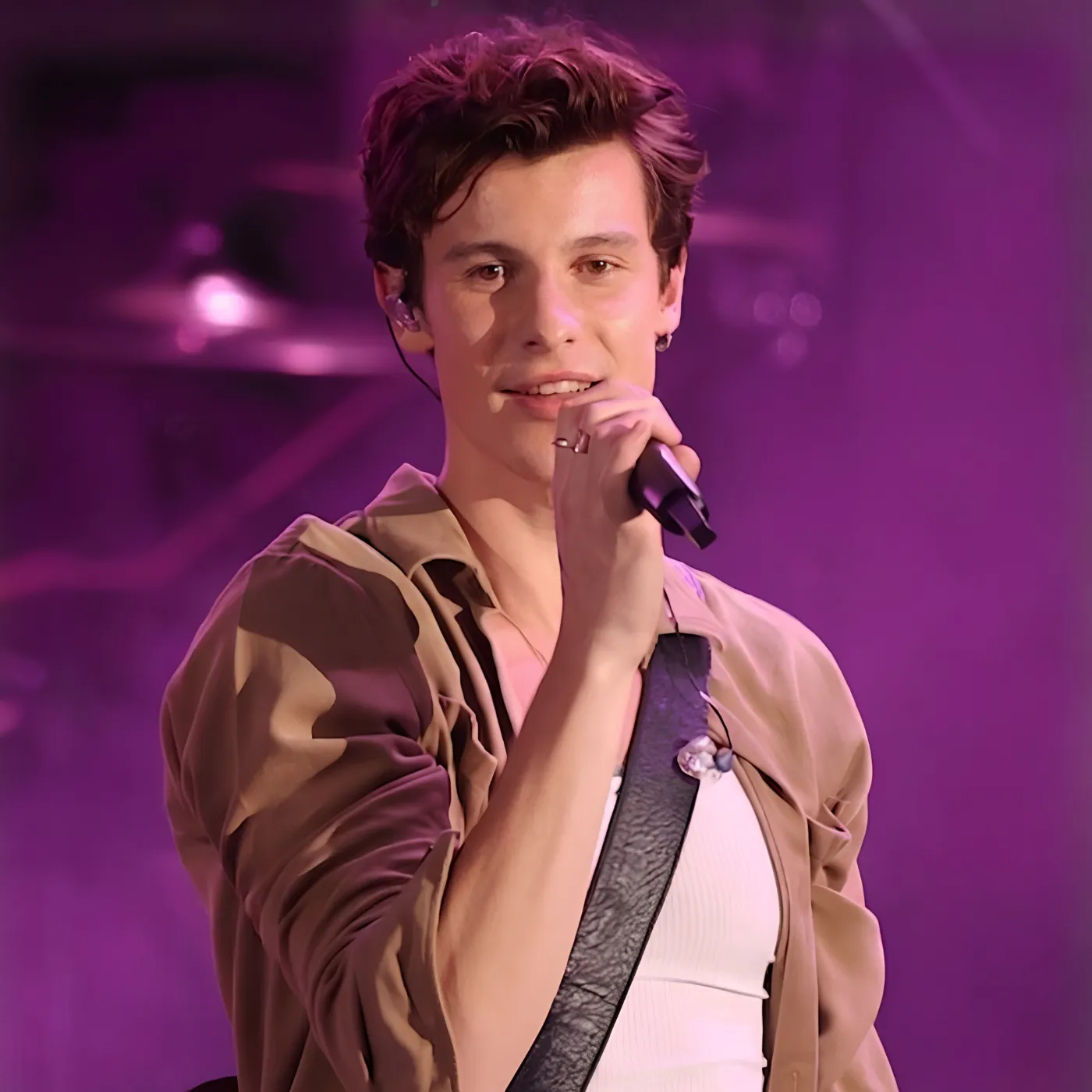
Before “Toosie Slide” was officially released, a short demo clip — especially the instructional lyric “Right foot up, left foot slide” — mysteriously “leaked” onto TikTok. The first person seen dancing to it was none other than Toosie, a popular dancer on the app, joined by professional choreographers Hiii Key, Ayo & Teo — names already well-known in the TikTok dance community.
But this wasn’t some happy coincidence or a lucky trend.
On his personal Instagram, Toosie openly admitted: “Drake sent us the beat and said, ‘come up with something that’s easy to go viral.’”
So that’s exactly what they did: the group created the choreography for “Toosie Slide” — even before the track was officially released.
According to Complex, the early video featuring Toosie and his crew racked up millions of views ahead of the song’s launch, giving Drake a massive viral boost and helping him dominate the charts during the song’s first week.
The Staged Naturalness: Drake Stayed Behind the Curtain… While Controlling Everything
Unlike his past music videos filled with flashy visuals and dancing crowds, Drake took a radically different approach with “Toosie Slide”.
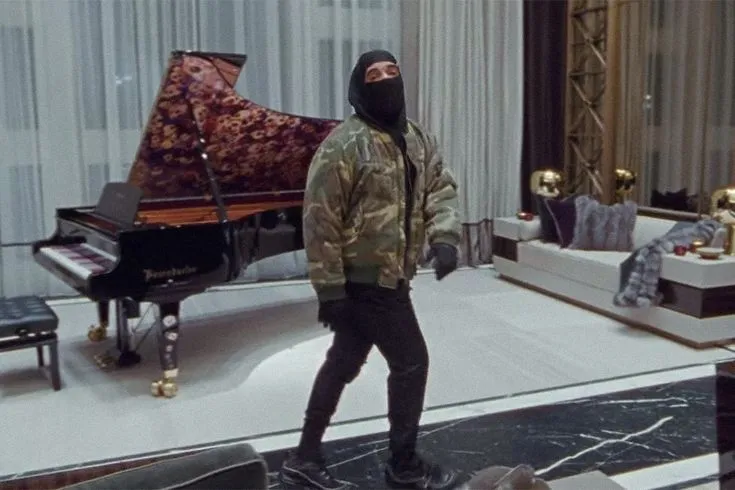
This time, he filmed the entire music video at his own home in Toronto, wearing just a face mask and performing a few simple dance steps. No elaborate backgrounds. No over-the-top effects. But that deliberate simplicity struck a chord — perfectly mirroring the global atmosphere of the pandemic, where everyone was confined to tight spaces and craving connection.
And it worked like magic.
Soon after, thousands of TikTok dance covers erupted: from celebrities and athletes to stay-at-home moms. Drake didn’t need to say a word — the online community did the viral lifting for him.
According to Billboard, “Toosie Slide” debuted at No. 1 on the Billboard Hot 100, largely thanks to the massive traction on TikTok that propelled the song into instant cultural relevance.
Drake — A Marketing Genius for the Digital Music Era?
This isn’t the first time Drake has played the TikTok game with surgical precision.
Back in 2018, his smash hit “In My Feelings” became a global sensation thanks to the viral #KikiChallenge, ignited by a vlogger named Shiggy. At the time, many believed the phenomenon happened by chance — but later, in an interview with TMZ, Shiggy revealed: “Drake knew something was going to happen if he gave me and that song early.”
Fast forward to recent years, and Drake’s strategy has only gotten sharper. With “Slime You Out,” he teased fans by dropping a snippet on his Instagram Story, creating scarcity and buzz, before releasing the full version a few days later.
All of this points to one truth: Drake understands how algorithms work. He’s not just an artist — he’s a master of virality, a producer of digital moments, and a strategist who engineers cultural impact with each release.
“Toosie Slide” Was TikTok’s Biggest Explosion of 2020 — But Also a Warning Sign for the Era of Engineered Virality in Music
After the breakout success of “Toosie Slide,” many artists began adopting Drake’s blueprint for viral success:
-
Doja Cat with her mega-hit “Say So”
-
Megan Thee Stallion going viral with “Savage”
-
Jason Derulo, who revived his career through a string of TikTok-ready singles like “Savage Love” (with Jawsh 685)
But here’s the difference: Drake didn’t follow trends — he predicted and designed them. Then he stepped back and let the internet do the rest.
As one Rolling Stone writer put it perfectly: “Drake doesn’t just make songs — he designs an entire listening and viral experience, from lyrics and melodies tochoreography and release timing.”
In a world where attention is currency, Drake doesn’t just cash in — he mints the formula.
The Future of TikTok Music: Is Drake the Architect or the Puppet Master?
The question now is: Has algorithm-driven virality started to strip music of its natural artistry?
With “Toosie Slide,” Drake taught the entire music and industry a hard truth — a good song isn’t enough to go viral. It has to be strategically designed for the era we live in.
In a world ruled by algorithms, sometimes all it takes is a simple line like “right foot up, left foot slide” to trigger tens of millions of dollars in revenue, billions of streams, and an entire summer dominated — not by chance, but by one man’s calculation: Drake.
Whether you see him as a visionary or a manipulator, one thing is clear: Drake isn’t just making music — he’s engineering cultural dominance.
Never Underestimate “Randomness” — Especially When Drake Is Behind It
So the next time you see a song “suddenly” exploding across TikTok, seemingly out of nowhere — racking up millions of plays, endless dance covers, and becoming the soundtrack of your feed — take a step back and ask yourself:
Is this really an organic phenomenon?
Or is it the result of a calculated, behind-the-scenes operation, executed with surgical precision?
Because when Drake is involved, “viral” rarely means accidental.
He doesn’t just drop music — he plants seeds, nudges trends, and lets the internet think it discovered something fresh. But in reality, you’re just walking through a path that’s already been strategically paved — from the first snippet leak to the choreographed dance, to the perfect release timing.
So remember this: If the viral blueprint smells too clean, the choreography feels too ready, and the hook too memeable — chances are, you’re not watching a trend unfold. You’re watching Drake press play on a plan that was set in motion weeks ago. Because with Drake, nothing is ever truly random. Everything is just beautifully orchestrated to look that way.