No Weaknesses. No Doubts. No One Like Djokovic — Tennis Legend Says What Federer & Nadal Fans Don’t Want to Hear
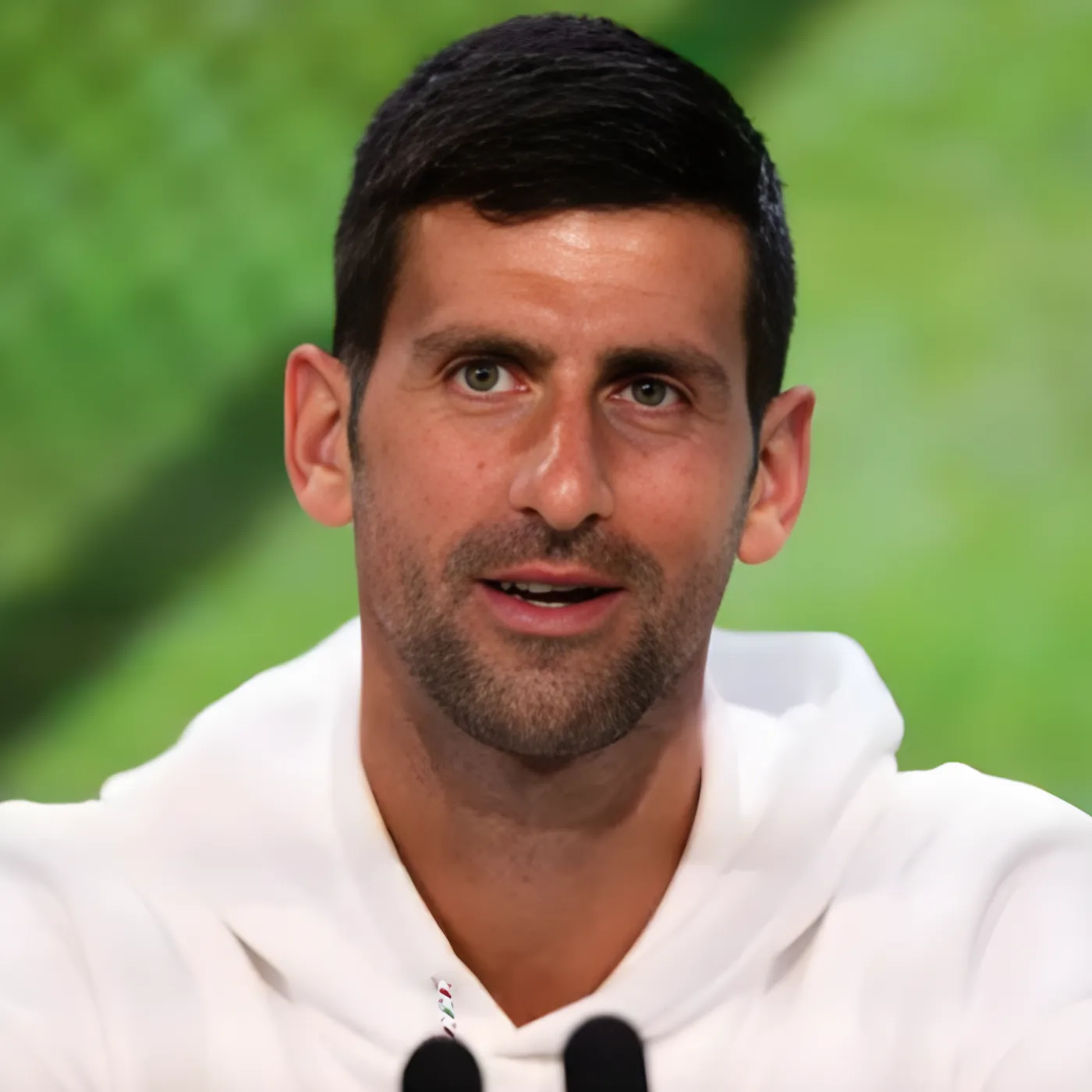
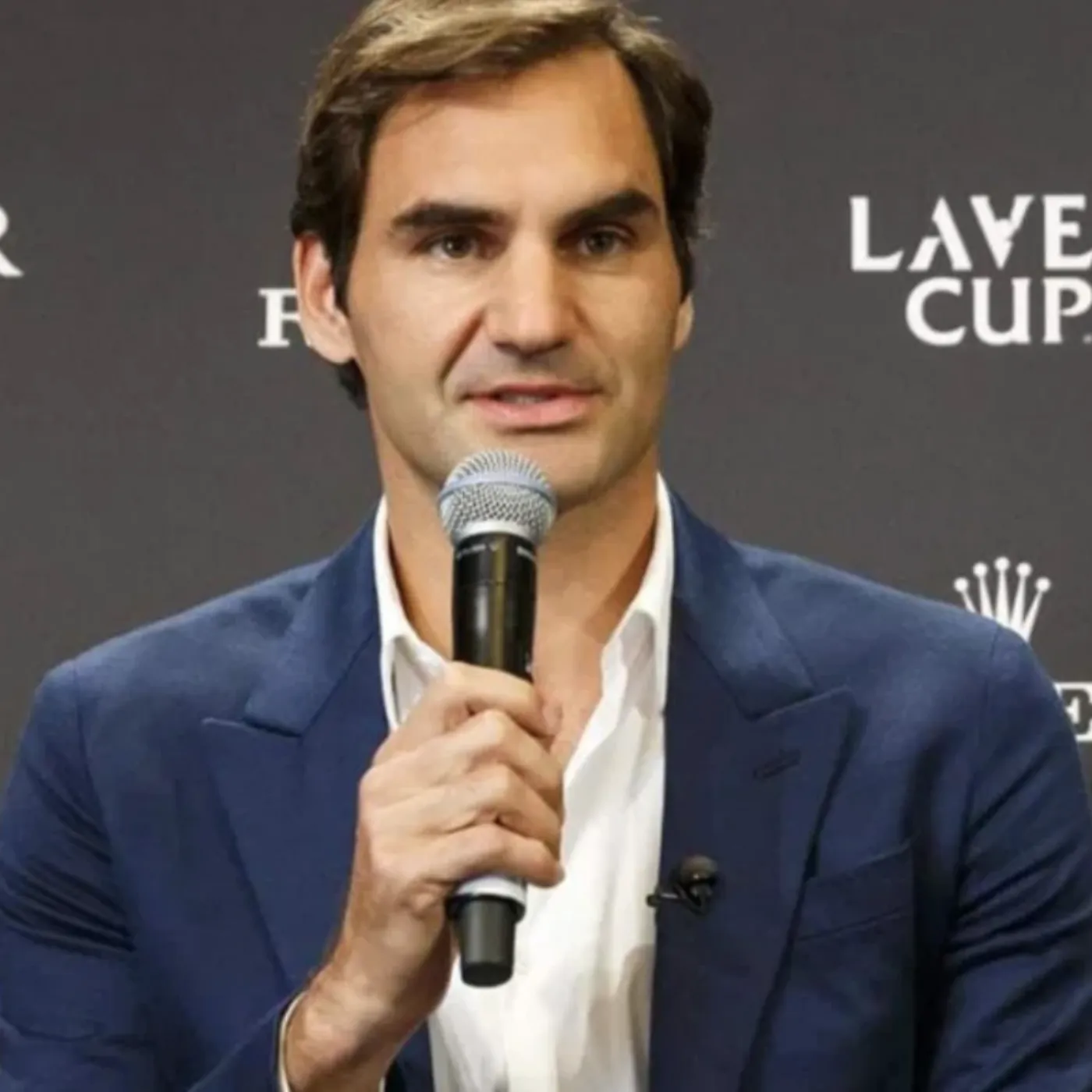
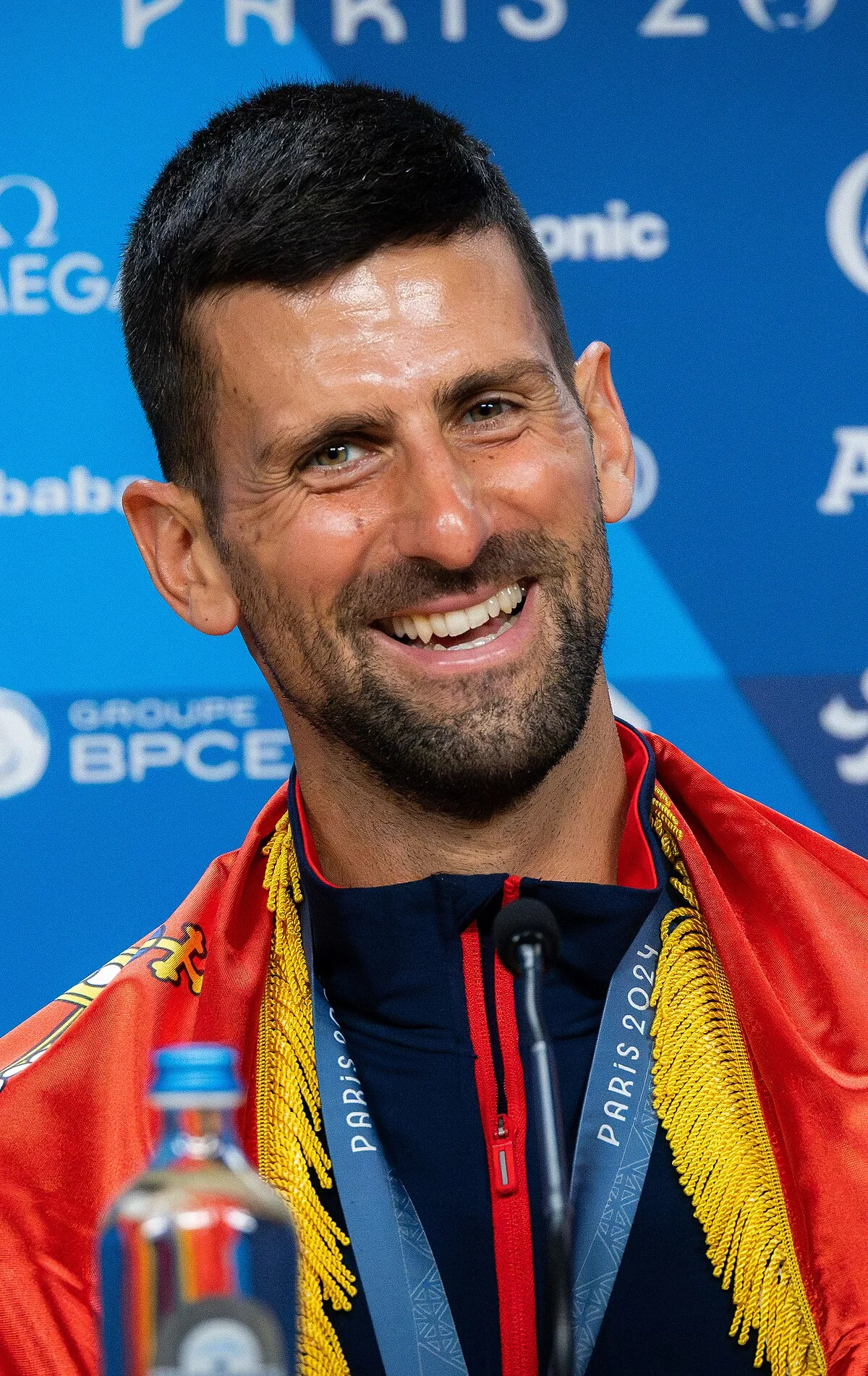
The debate over tennis’s greatest player has raged for decades, with passionate fans defending their heroes with religious fervor. While Roger Federer enchanted audiences with his graceful artistry and Rafael Nadal dominated clay courts with his relentless intensity, a growing chorus of tennis legends and analysts are making an uncomfortable truth clear: Novak Djokovic stands alone as the most complete player the sport has ever witnessed.
This assertion strikes at the heart of tennis romanticism, challenging the beloved narratives that have defined the sport for nearly two decades. Yet as the Serbian champion continues to rewrite history books well into his thirties, even the most devoted supporters of his rivals are being forced to confront an undeniable reality about Djokovic’s supremacy.
The Statistical Reality That Changes Everything
The numbers don’t lie, and they paint a picture that becomes increasingly difficult to dispute with each passing tournament. Djokovic’s record speaks with a clarity that transcends emotional attachment and nostalgic preferences. His 24 Grand Slam titles have surpassed both Federer’s 20 and Nadal’s 22, but the story goes far deeper than mere trophy counting.
What separates Djokovic from his legendary contemporaries is the breadth and consistency of his dominance across every aspect of professional tennis. While Federer’s elegance captivated Wimbledon’s grass courts and Nadal’s clay-court mastery turned Roland Garros into his personal kingdom, Djokovic’s versatility has proven unmatched across all surfaces and conditions.
The Serbian’s 369 weeks at world number one represents more than just longevity; it demonstrates a sustained excellence that neither Federer nor Nadal could maintain. This isn’t about peak performance in isolated moments, but rather about consistent dominance over the longest possible timeframe. Tennis legends who witnessed all three players in their prime increasingly acknowledge that Djokovic’s career represents something unprecedented in the sport’s history.
Former world number one Mats Wilander has been particularly vocal about this reality, stating that Djokovic’s combination of mental strength, physical conditioning, and tactical intelligence creates a player without obvious weaknesses. This assessment cuts to the core of what makes the GOAT debate so challenging for Federer and Nadal supporters to navigate.
The Uncomfortable Truth About Surface Mastery
Tennis purists often point to Federer’s grass court brilliance or Nadal’s clay court dominance as evidence of their respective greatness. However, this surface-specific excellence actually highlights a crucial weakness when compared to Djokovic’s comprehensive mastery. The Serbian champion has won each Grand Slam tournament multiple times, demonstrating an adaptability that his rivals never quite achieved.
Djokovic’s Australian Open dominance is particularly telling, with ten titles at Melbourne Park showcasing his ability to peak at the season’s first major consistently. This isn’t merely about favorable conditions or timing; it represents a strategic approach to the tennis calendar that maximizes success across the entire year. While Federer and Nadal often showed vulnerabilities on their least-favored surfaces, Djokovic transformed every court into his domain.
The hard court supremacy that Djokovic has established extends beyond individual tournaments to encompass Masters 1000 events, where his record 39 titles dwarf the achievements of his rivals. This level of success across tennis’s most prevalent surface demonstrates a completeness that goes beyond the romantic narratives surrounding his competitors.
Even on clay, traditionally considered Nadal’s exclusive territory, Djokovic has proven his mettle with multiple French Open victories. His ability to defeat Nadal at Roland Garros stands as one of tennis’s most remarkable achievements, given the Spaniard’s near-mythical status on Parisian clay. This versatility represents something that neither Federer nor Nadal could replicate in reverse on their rivals’ preferred surfaces.
The Mental Fortress That Defines Champions
Perhaps no aspect of Djokovic’s game generates more discussion among tennis insiders than his mental resilience. While Federer’s composed elegance and Nadal’s warrior-like determination became legendary, Djokovic’s psychological approach to competition represents something entirely different and arguably more effective.
Clutch performance in decisive moments has become Djokovic’s signature, with his ability to raise his level during the most pressure-filled points of major matches setting him apart from even the greatest competitors. Tennis legends who competed against all three players consistently note that Djokovic’s mental toughness in crucial moments exceeds anything they witnessed from his rivals.
The Serbian’s comeback victories tell a story of psychological dominance that goes beyond mere shot-making ability. His famous victory against Federer in the 2019 Wimbledon final, saving match points to claim his fifth title at the All England Club, exemplifies a mental approach that refuses to acknowledge defeat until the final point is played.
Former champions who have analyzed Djokovic’s career trajectory point to his ability to compartmentalize pressure and channel it into enhanced performance. This isn’t about occasional moments of brilliance, but rather a systematic approach to high-pressure situations that has produced results across decades of competition.
The Evolution of Modern Tennis Excellence
Djokovic’s playing style represents the evolution of modern tennis in ways that Federer and Nadal, despite their greatness, never quite achieved. His game combines the all-court versatility of classical tennis with the physical demands and strategic complexity of the contemporary era. This synthesis has created a player who doesn’t just dominate his generation but redefines what excellence looks like in professional tennis.
The Serbian’s return of serve has become perhaps the most feared weapon in tennis, turning traditionally dominant serving performances into extended rallies where his superior court coverage and defensive skills come into play. This ability to neutralize opponents’ primary weapons while maintaining offensive capabilities represents a completeness that his rivals, despite their considerable strengths, never fully developed.
Flexibility and adaptability in tactics have allowed Djokovic to extend his career well beyond what seemed possible even five years ago. While Federer and Nadal showed signs of decline in their early thirties, Djokovic has maintained and even improved certain aspects of his game, suggesting a approach to professional longevity that surpasses his contemporaries.
The Rivalry That Elevated Everyone
The Big Three era of tennis will be remembered as the sport’s golden age, with each player pushing the others to unprecedented heights. However, within this triumvirate, Djokovic’s head-to-head records against both Federer and Nadal reveal a pattern of sustained success that becomes increasingly difficult to dismiss.
Against Federer, Djokovic’s 27-23 advantage includes victories in their most significant encounters, including multiple Grand Slam meetings where the stakes were highest. Against Nadal, the Serbian holds a 30-29 edge despite the Spaniard’s earlier career start and clay-court specialization. These records don’t represent occasional victories but rather consistent success against the two players most often cited as tennis’s greatest.
Tennis analysts who have studied these rivalries extensively note that Djokovic’s success comes not from exploiting weaknesses but from imposing his strengths consistently across different conditions and contexts. This represents a level of tactical superiority that transcends individual match results to encompass broader competitive dominance.
The Global Impact and Recognition
Beyond statistics and match results, Djokovic’s influence on tennis extends to inspiring a new generation of players who attempt to emulate his comprehensive approach to the game. His success has redefined what aspiring professionals believe is possible, particularly for players from non-traditional tennis nations.
International tennis federations and coaching academies increasingly structure their development programs around the model that Djokovic has established: complete surface mastery, exceptional physical conditioning, and unshakeable mental fortitude. This systematic approach to excellence represents a paradigm shift that goes beyond individual achievement to influence the sport’s future direction.
The Serbian’s philanthropic efforts and advocacy for player rights have also established him as a leader whose influence extends beyond court boundaries. While his personality and approach may not generate the same emotional connection as Federer’s charm or Nadal’s humility, his impact on tennis as both sport and business has been profound and lasting.

The Verdict That History Will Remember
As careers wind down and legacies solidify, the uncomfortable truth for Federer and Nadal supporters becomes increasingly clear: Djokovic’s superiority isn’t a matter of opinion but of measurable achievement across every meaningful metric. His Grand Slam record, weeks at number one, Masters 1000 titles, and head-to-head advantages combine to create a case for greatness that transcends personal preference.
Tennis historians examining this era will likely conclude that while Federer brought artistry and Nadal brought intensity, Djokovic brought completeness. His career represents the logical endpoint of tennis evolution: a player without significant weaknesses who maximizes every opportunity for success.
The GOAT debate will continue as long as tennis is played, but Djokovic’s achievements have shifted the conversation from subjective appreciation to objective measurement. His legacy stands as proof that in professional sports, sustained excellence across all conditions and contexts ultimately determines greatness more than momentary brilliance or emotional connection.
This reality may disappoint those who prefer tennis’s romantic narratives, but it represents the honest assessment that the sport’s greatest champions and most knowledgeable observers increasingly embrace. Novak Djokovic didn’t just compete in tennis’s golden age; he defined it, dominated it, and ultimately transcended it to establish himself as the most complete player the sport has ever produced.
Related News