




Olivia Rodrigo Guitarist Broke Down When Robert Smith Walked In
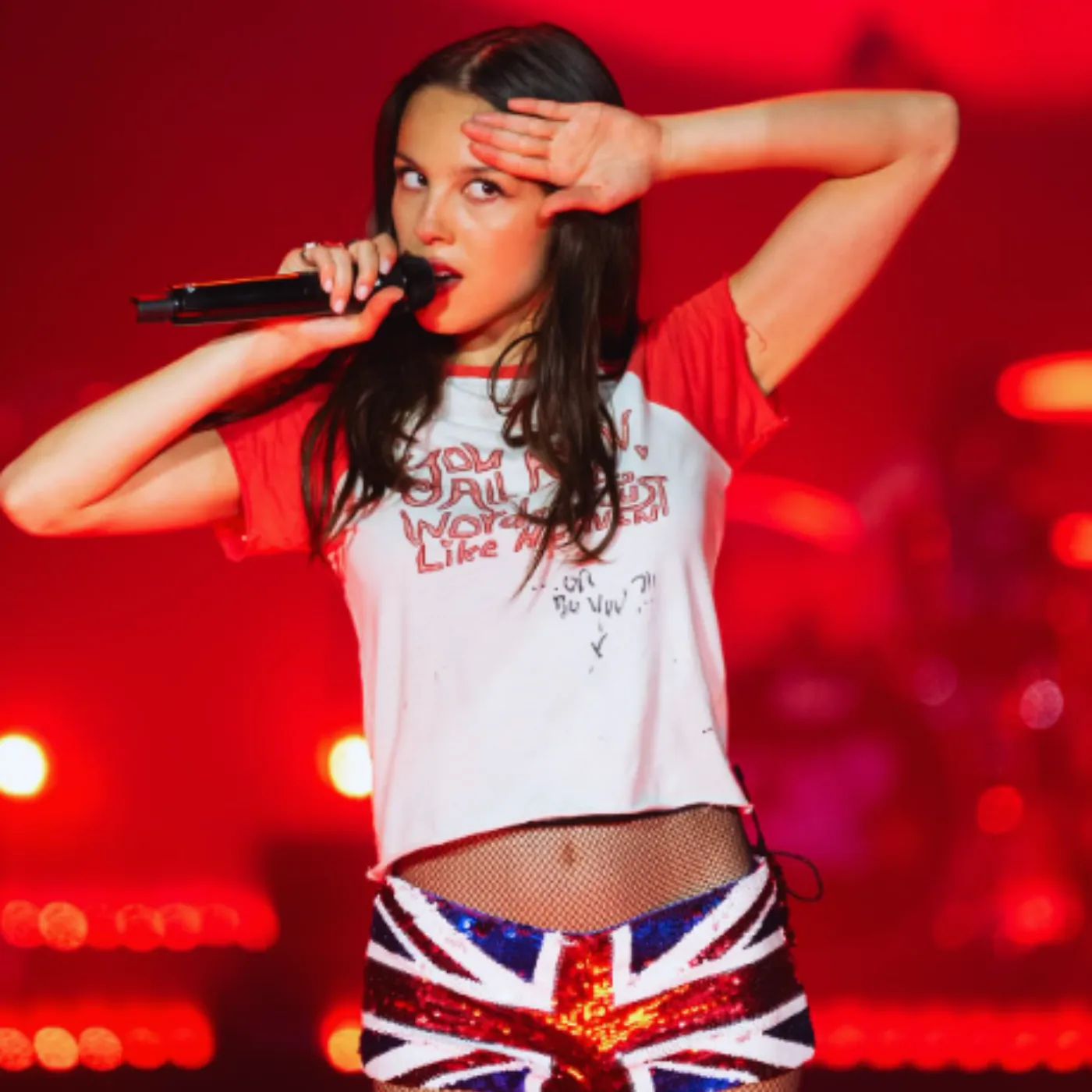
Olivia Rodrigo has never needed much to make headlines. A single emoji, a shadowy lyric, or a cryptic Instagram post is enough to set the internet ablaze. But this time, it wasn’t her voice, her stage presence, or her heartbreak anthems that left fans shaken. It was something far more raw—and completely unfiltered—from behind the scenes at Glastonbury Festival.
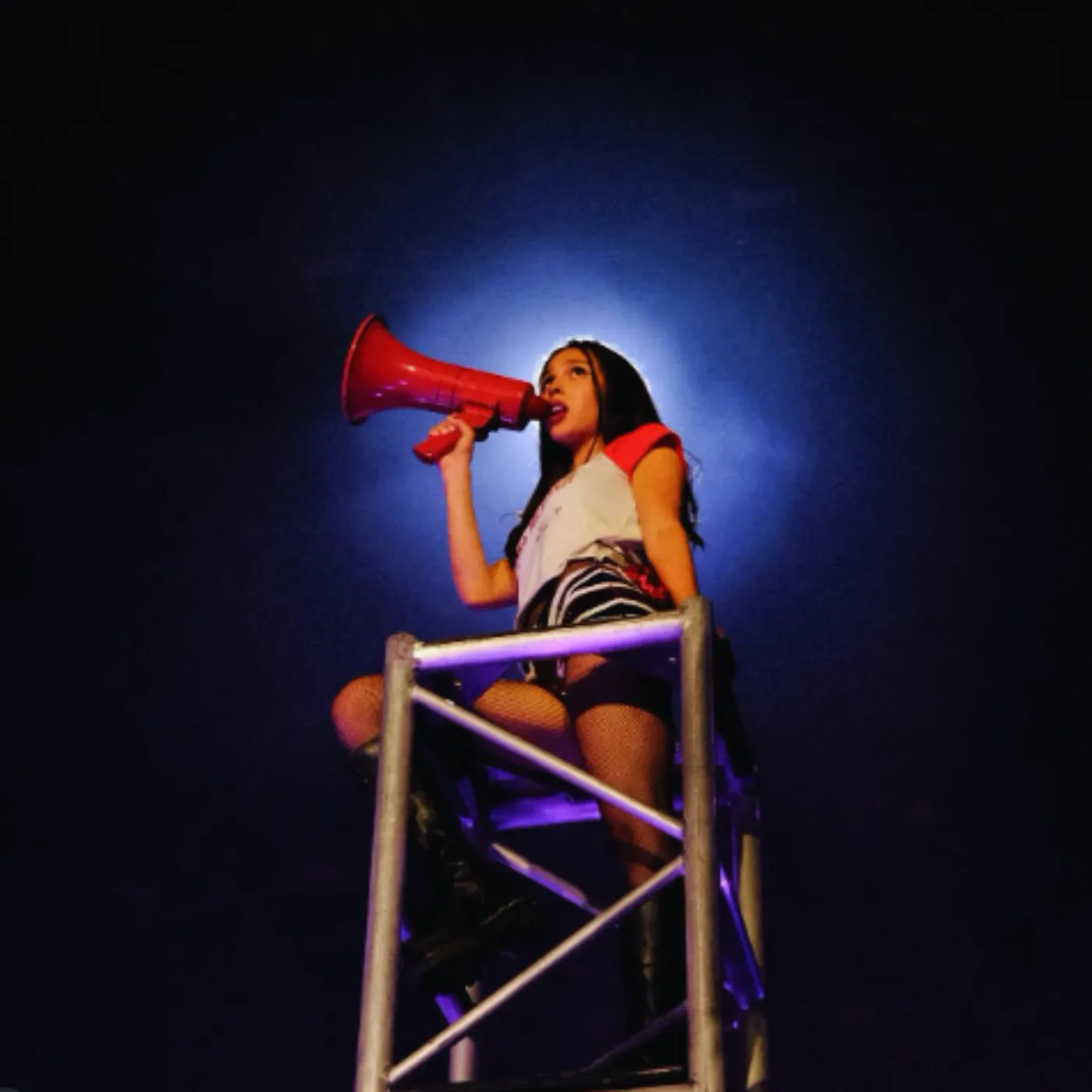
What happened backstage during Olivia’s highly anticipated performance caught even the most seasoned industry insiders off guard. And at the center of it all? Robert Smith, the elusive frontman of The Cure, whose unannounced presence triggered an emotional reaction no one saw coming—least of all Olivia’s lead guitarist, who reportedly “started crying” the moment she realized who was joining them.
A Legend Walks In—and Everything Changes
For artists under 25, Robert Smith is more than a name. He’s a legacy. A myth in eyeliner. So when he was confirmed to appear alongside Olivia Rodrigo’s band backstage at Glastonbury, the gravity of the moment hit hard—especially for the young musicians who had grown up idolizing his work.
Multiple sources confirm that Robert Smith kept his dressing room door open, a move described by one crew member as “shockingly warm” for someone with his icon status. “He wasn’t hiding. He was literally inviting us in,” the source said. “He wanted to talk, be social, connect. It was surreal.”
Tears Before Soundcheck
But it was the moment Olivia’s guitarist locked eyes with the legendary frontman that brought the room to a halt. According to insiders, she froze, trembled, and then broke down—“crying in disbelief.” No rehearsed lines, no selfies, no “cool girl” act. Just raw emotion.
“She just said, ‘I can’t believe it’s really him,’ and had to step away for a second,” a crew member revealed. “She’s been chasing this kind of sound her whole life. And suddenly, it’s standing right in front of her.”
Why It Hit So Hard
Robert Smith is more than a musical influence—he’s a cultural figure that defined an entire genre of melancholy, self-aware rock that still echoes in Olivia Rodrigo’s work today. From “Vampire” to “Traitor,” Olivia’s catalog bleeds with themes of guilt, loss, alienation, and emotional paradox—themes The Cure helped define.
So for her band to meet the man who carved that emotional language into music history? It wasn’t just fan service. It was validation.
Not Just Another Festival Story
In an era where celebrity encounters feel increasingly manufactured, this moment stood out. There were no paparazzi, no PR rollouts, no backstage live streams. Just a genuine interaction—a veteran artist embracing a new generation.
And it’s not just a cute anecdote. It speaks volumes about where Olivia Rodrigo and her team are headed. They’re not chasing TikTok virality. They’re aligning themselves with legacy artists, suggesting a longer game—timelessness over trend.
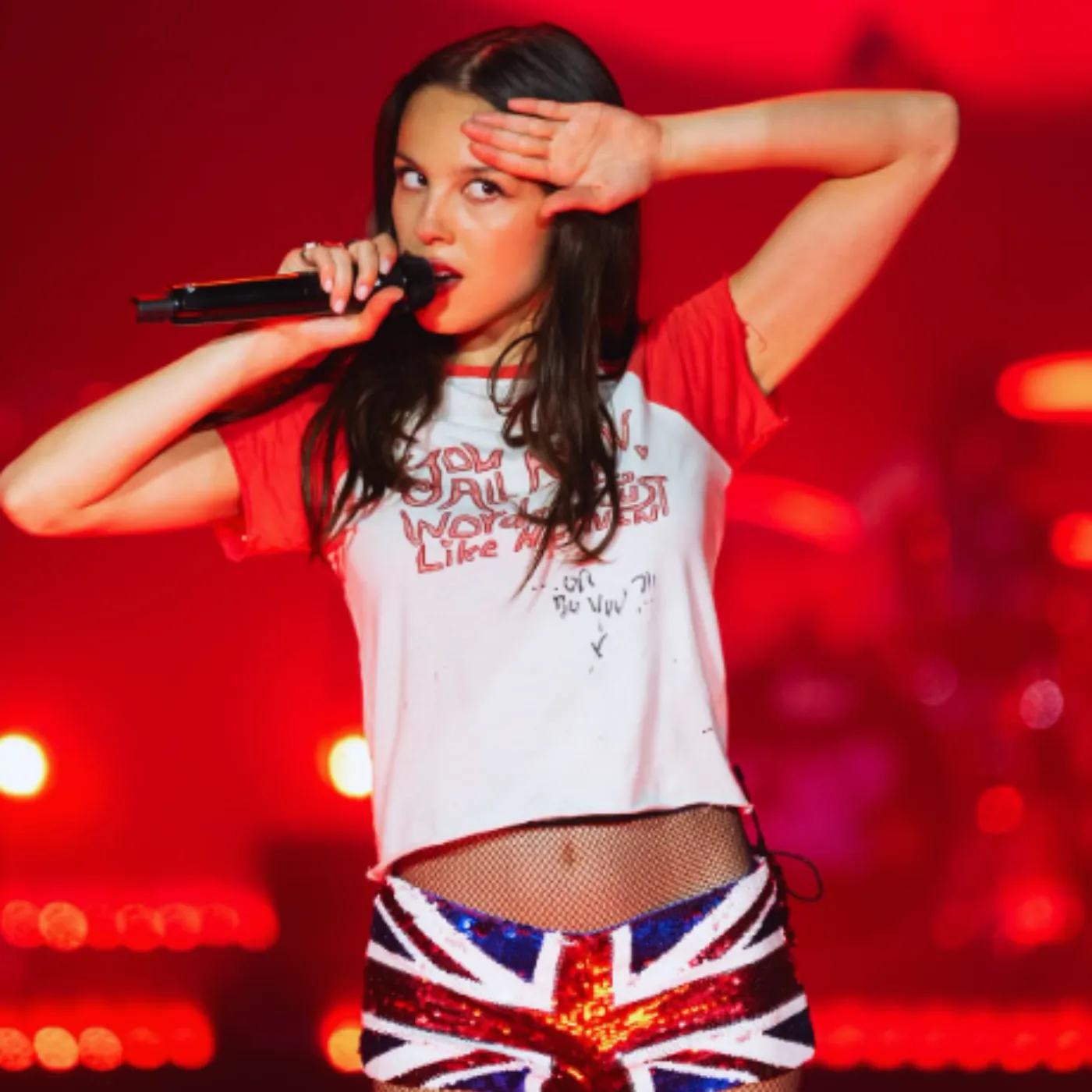
Robert Smith’s Quiet Power Move
In typical fashion, Robert Smith didn’t need to post anything or even take a photo. His very presence backstage acted like a kind of blessing, a silent anointing of Olivia Rodrigo’s place in the musical lineage of tortured genius.
And he didn’t just stay in the shadows. He talked, laughed, connected. He wasn’t the elusive ghost of 1980s post-punk lore. He was present. Engaged. Human. It flipped the script on every expectation.
“He didn’t act like royalty,” another witness said. “He acted like someone who wanted to be part of the scene again. And honestly, that was way more intimidating than if he had walked in wearing a crown.”
What This Means for Olivia’s Brand
At just 21, Olivia Rodrigo has built a brand on relatability—heartbreak, confusion, defiance, and melancholy—but without ever falling into caricature. Her team is careful. Every move is curated, every appearance calculated. But this moment? This wasn’t PR. This was personal.
And that’s exactly what makes it so powerful.
Her guitarist’s tears were not a stunt. They were the kind of emotional release that brands can’t fabricate and marketing teams can’t script. In an industry obsessed with controlled narratives, this was chaos—in the best way possible.
A Shift in Olivia’s Trajectory?
Don’t be surprised if this moment sparks something bigger. As her music matures and her live shows grow in theatricality, we could be witnessing a shift—from pop prodigy to alt-rock heir.
The emotional outpouring backstage wasn’t just about one guitarist and one rock star. It was about Olivia Rodrigo’s entire aesthetic evolving—away from High School Musical nostalgia and toward something darker, edgier, and more enduring.
Glastonbury, with its muddy fields and mythical aura, might have been the perfect stage for that transformation to begin.
Industry Reaction: “This Is How Legends Are Born”
Insiders in the music world aren’t brushing this off as a backstage moment gone viral. One executive told us, “When you see a legend like Robert Smith embrace a Gen Z performer and their band so warmly, it rewrites the generational divide. It says Olivia isn’t just a moment—she’s part of a movement.”
It’s rare to witness an emotional collision of eras in real time, but that’s exactly what happened. And when the tears fell, so did any remaining doubts about whether Olivia Rodrigo and her crew were ready to stand next to the greats.
Final Thoughts: The Tear That Echoed
Some backstage stories fade with the noise of the crowd. But this one? It exploded into legend before the final guitar chord even rang out. What unfolded behind the scenes at Glastonbury wasn’t just an emotional moment—it was a collision of timelines, a passing of the torch that no camera could fully capture.
When Olivia Rodrigo’s guitarist broke down in tears after learning that Robert Smith of The Cure would be joining them, it wasn’t just about a surprise appearance. It was about what that moment represented. A connection. A validation. A living, breathing reminder that music isn’t linear—it’s cyclical. The past walks beside the present. Sometimes, it even leaves its dressing room door open.
There’s a reason this story is spreading like wildfire, despite Olivia herself saying nothing about it. She didn’t need to post it. She didn’t need to caption it. Her silence amplified the moment—a brilliant strategy in a world oversaturated with loudness.
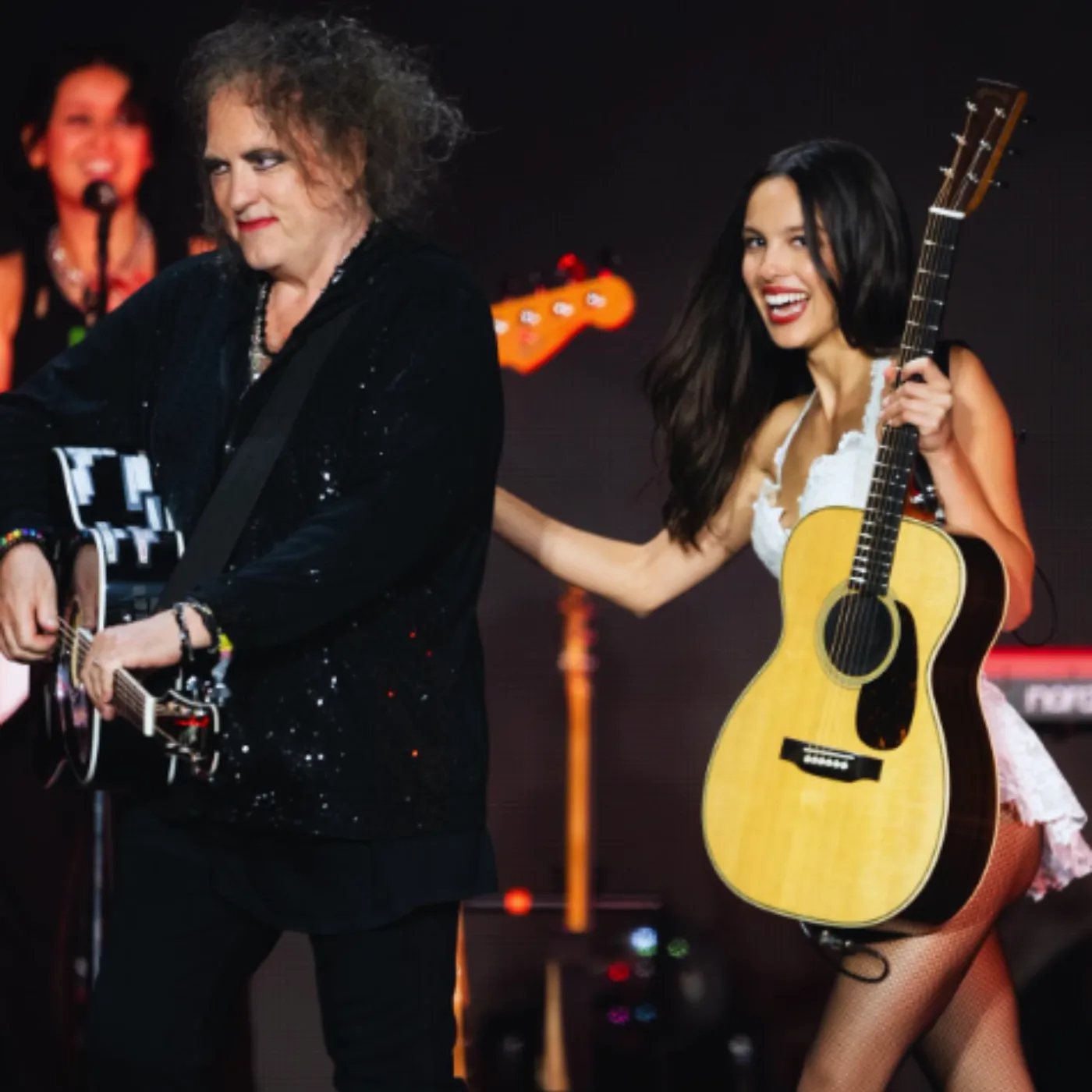
That tear? It wasn’t just emotion. It was respect crystallized. It was the sound of one generation realizing it had been seen—truly seen—by a figure it grew up idolizing. And in turn, that tear became a symbol of how Olivia’s era isn’t just reshaping pop—it’s reconnecting with the roots that made it all possible.
In an industry that moves at lightning speed, moments like this hit pause. They remind us why we listen. Why we care. Why it all matters.
So yes, Olivia Rodrigo is the voice of her generation. But make no mistake—she’s also the echo of every generation before, threading their influence into something undeniably new. She doesn’t just take the stage.
She builds the bridge between legends and the next wave.
And somewhere backstage at Glastonbury, with one open door and a single tear, that bridge became real.