





Roger Federer Is Worth $1.3 Billion — But You’ll Be Shocked How Little Came from Actually Playing Tennis
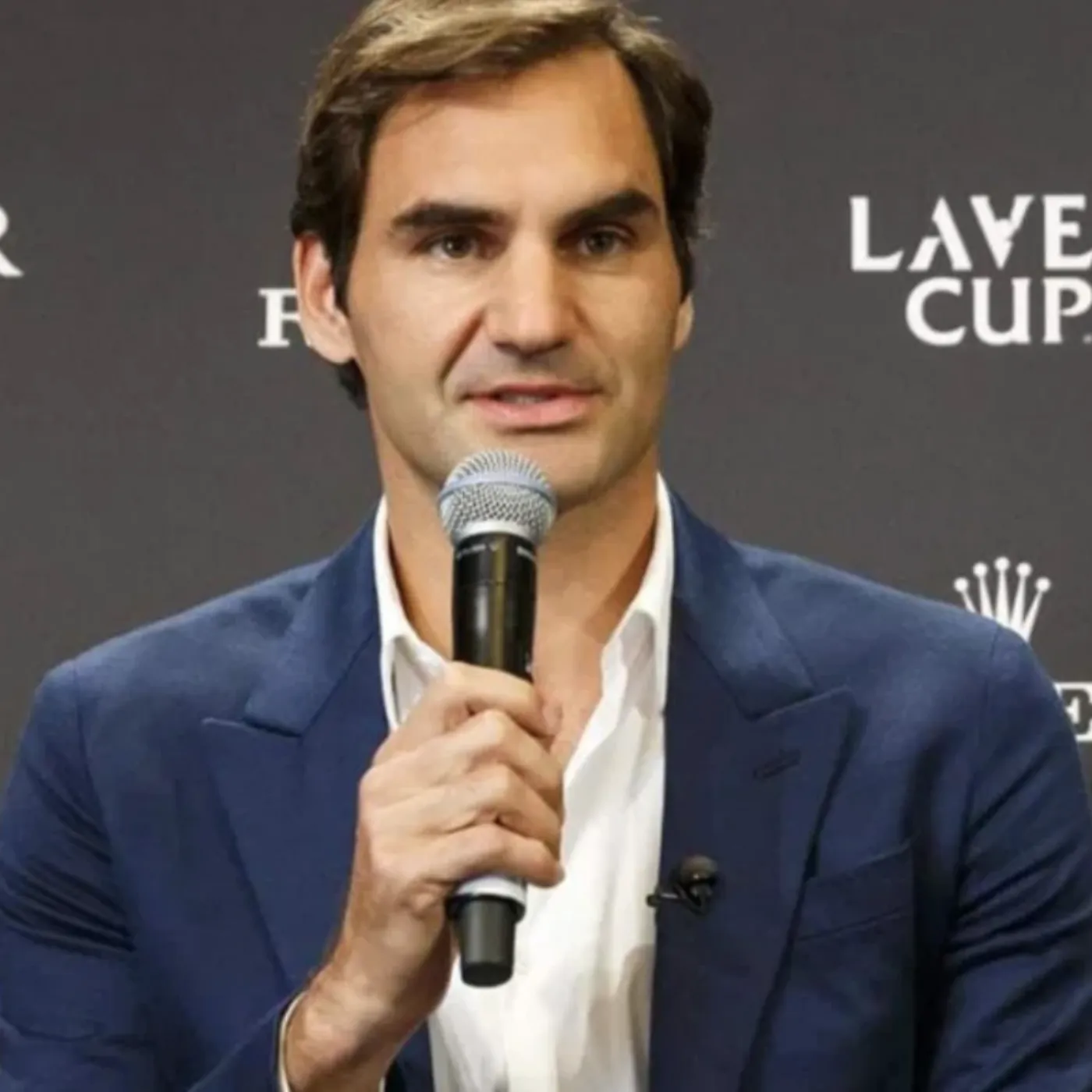
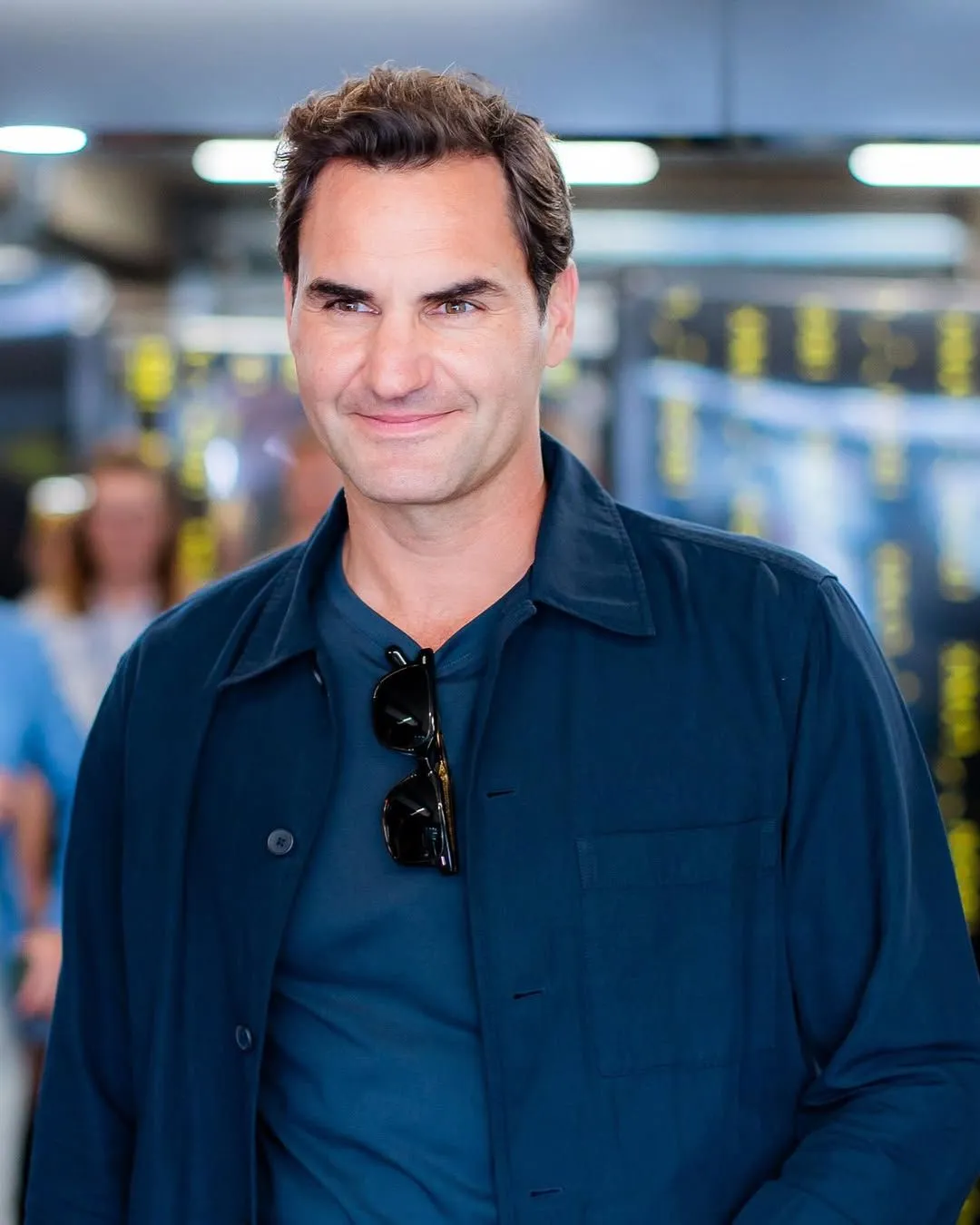
When the name Roger Federer is mentioned, even casual sports fans immediately picture grace, dominance, and longevity on the tennis court. With 20 Grand Slam titles, Federer is not just a legend in tennis but one of the most universally respected athletes of all time. Yet, for all his jaw-dropping success on the court, what truly sets Federer apart from his peers isn’t just his skill with a racquet — it’s his staggering net worth, which has now soared to $1.3 billion.
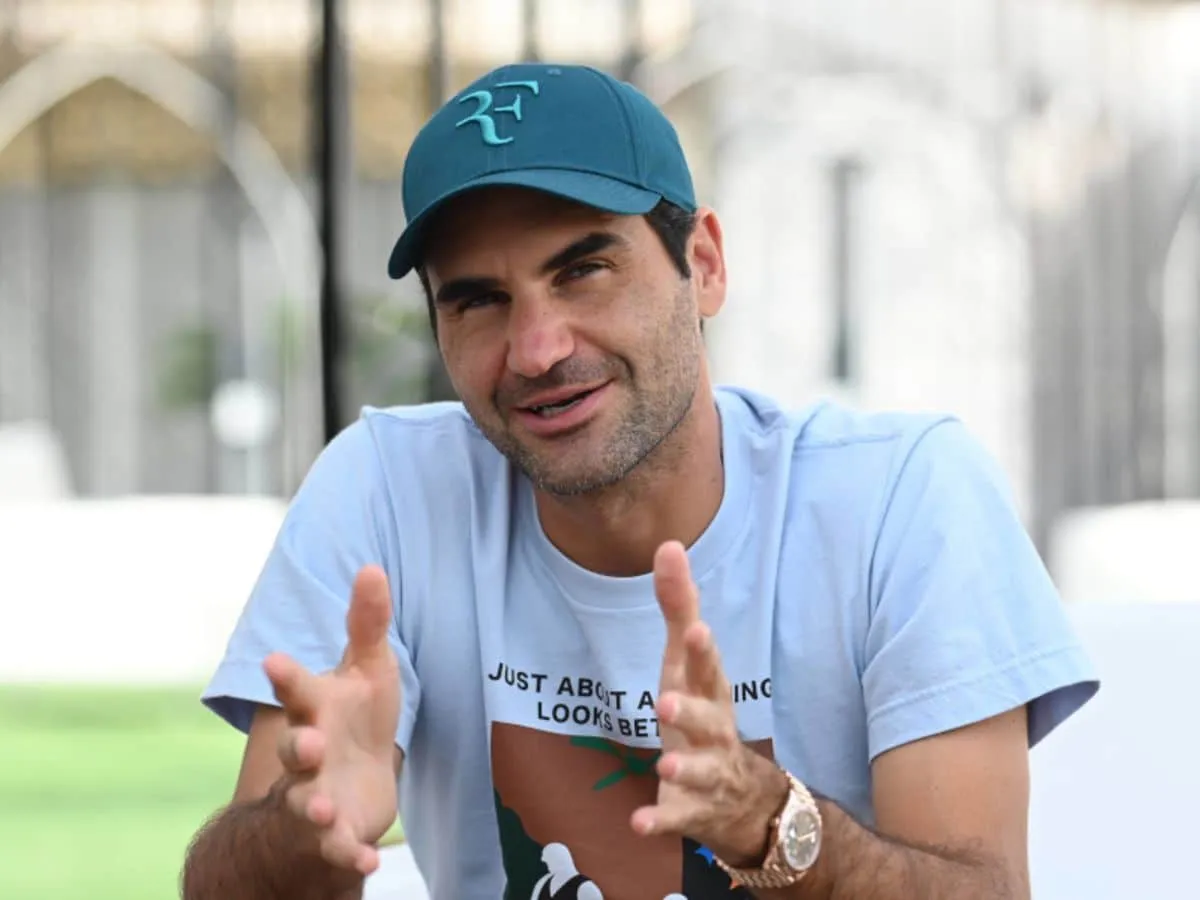
What’s even more surprising is that only a small fraction of that wealth came from the very sport that made him famous. Federer, now retired, has become a textbook example of how an athlete can leverage their brand, charisma, and global appeal into an empire that extends far beyond the white lines of a tennis court. His story is less about serves and volleys and more about business savvy, global marketing, and enduring legacy.
Let’s unravel the financial fabric behind one of the world’s richest athletes — and how Roger Federer built a billion-dollar fortune with tennis as just the launching pad.
A Career of Consistency — But Not Massive Prize Money
Federer turned pro in 1998, and over the span of more than two decades, he became one of the most successful players in the history of tennis. He won over $130 million in career prize money, which might sound like a fortune on its own — until you realize that it’s just about 10% of his total net worth.
To put that into perspective: while $130 million would set most people up for life, for someone whose brand value transcends sport, it’s just the beginning. Federer earned less in tournament winnings than Tiger Woods, Cristiano Ronaldo, or LeBron James did in their respective sports — despite being arguably the greatest in his.
So where did the remaining $1.17 billion come from?
The Art of Endorsements: Federer’s True Playing Field
Federer’s ability to monetize his global image is nothing short of masterful. He became a marketing juggernaut, carefully curating his public persona to appeal to both luxury and lifestyle brands. Companies weren’t just endorsing Federer the athlete — they were investing in Federer the global symbol of class, elegance, and excellence.
Throughout his career, Federer inked long-term deals with premium brands like Rolex, Mercedes-Benz, Moët & Chandon, Lindt, Credit Suisse, and more. But the biggest move of all came in 2018, when Federer stunned the tennis world by walking away from his long-time sponsor Nike, only to sign a $300 million deal with Japanese apparel brand Uniqlo.
Unlike most endorsement deals that are tied to an athlete’s active playing career, Federer’s Uniqlo contract was structured to extend beyond retirement. It was a bold signal to the world: Roger Federer is not just an athlete; he is a lifetime brand.
And the brands knew it.
By the time he retired in 2022, Federer was reportedly earning around $90 million annually in endorsements alone, making him consistently one of the highest-paid athletes in the world even in years when injuries kept him off the court.
The Billionaire Blueprint: Federer’s Stake in On Running
Arguably the most brilliant financial move of Federer’s post-peak career wasn’t an endorsement — it was an investment. In 2019, Federer partnered with Swiss performance footwear company On Running, not just to be the face of the brand, but as a strategic investor and co-entrepreneur.
At the time, On was still growing and relatively unknown compared to giants like Nike or Adidas. Federer didn’t just sign a traditional sponsorship deal — he took equity in the company. He worked closely with designers, gave input on products (like the “Roger Pro” tennis shoe), and became an ambassador with skin in the game.
When On Running went public in 2021, the IPO valued the company at around $11 billion, and Federer’s estimated stake — about 3% — suddenly became worth over $300 million. That single investment likely earned him more than his entire 24-year tennis career combined.
It was a pivotal moment, underscoring Federer’s transformation from athlete to businessman. This was no longer just about sports; it was about legacy wealth creation.
The Federer Brand: Built on Global Admiration and Swiss Precision
There’s something rare about Federer that even other legendary athletes don’t possess: a nearly universal likability. He’s admired by fans, respected by peers, and beloved by sponsors. His image has remained unblemished throughout a career spanning decades, which is virtually unheard of in modern celebrity culture.
His poise on court — often playing with effortless grace — mirrored his demeanor off it. He carried himself with humility, elegance, and consistency. He was rarely involved in controversies, always gracious in victory or defeat, and known for his fluency in multiple languages and diplomacy in interviews.
This reliability made Federer a dream partner for luxury and legacy brands. They weren’t just hiring a celebrity — they were associating themselves with someone who embodied timeless quality and global unity. And Federer played his role flawlessly.
Even after retirement, the Federer brand remains highly marketable. He continues to serve as an ambassador for various companies and causes. His philanthropic work through the Roger Federer Foundation — focused on early childhood education in Africa and Switzerland — has only enhanced his image as a global citizen.
Why Federer’s Fortune Is Rare — Even Among the Greatest
It’s worth noting that very few athletes, even the most dominant, reach the billionaire threshold. While LeBron James, Michael Jordan, Tiger Woods, and Cristiano Ronaldo have crossed it (or are nearing it), most earned the majority of their fortunes through endorsements, business ventures, and branding, not through playing salaries or prize money.
But Federer’s case is even more remarkable. Unlike players in team sports with lucrative TV rights and multi-year contracts, tennis players earn money only when they win. There are no guaranteed annual salaries, no long-term team deals. Injuries or poor form mean zero income on the court.
Yet Federer managed to elevate his market value to such heights that even in years when he barely played — such as during his knee surgeries in 2020 and 2021 — he still earned more than nearly every active player on the ATP Tour.
That’s the power of a brand built on excellence, integrity, and strategic vision.
The Legacy: More Than Just a Game
Now in retirement, Federer’s life has taken on a new chapter — but his influence shows no sign of fading. He’s increasingly active in philanthropy, fashion, and business, and continues to be involved in growing On Running globally. He’s been spotted courtside at Wimbledon and the Laver Cup, playing a mentor and statesman-like role in the tennis world.
There are talks of future documentaries, possible ventures into media, and deeper investment into youth tennis and global development. But whatever path Federer chooses, one thing is clear: he has redefined what it means to be a modern athlete.
He didn’t just chase trophies. He built an empire.
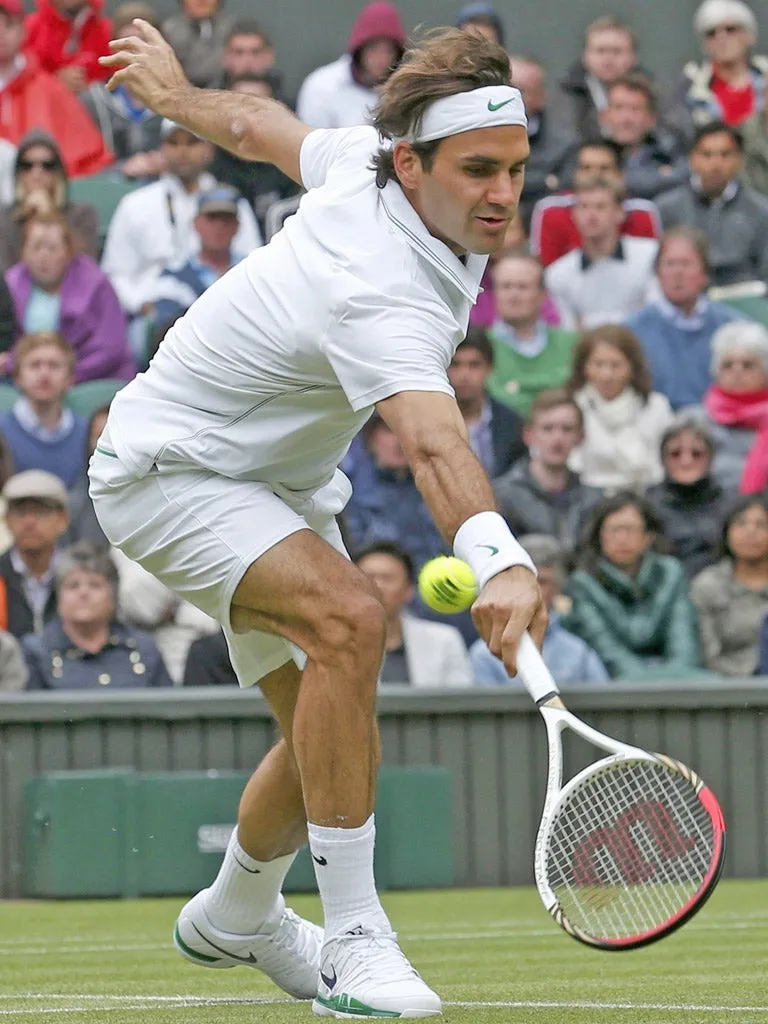
And that empire, worth $1.3 billion, is a testament not just to his talent, but to his vision. Tennis may have introduced the world to Roger Federer, but it was his off-court mastery that ensured the world would never forget him.
Conclusion: The Billion-Dollar Backhand
Roger Federer will forever be remembered as one of the greatest to ever hold a tennis racket. But perhaps his most powerful legacy is how he showed the sports world that true greatness isn’t just measured in trophies or titles — it’s measured in impact, longevity, and reinvention.
From the pristine courts of Wimbledon to the bustling boardrooms of billion-dollar companies, Federer’s genius extends far beyond tennis. He’s not just a retired athlete. He’s a global brand, a savvy investor, a philanthropist, and a timeless icon.
And while only $130 million of his staggering $1.3 billion fortune came from actually playing tennis, that was merely the starting point. The rest came from understanding the game behind the game — the one that takes place not with a racket, but with strategy, style, and vision.
Related News