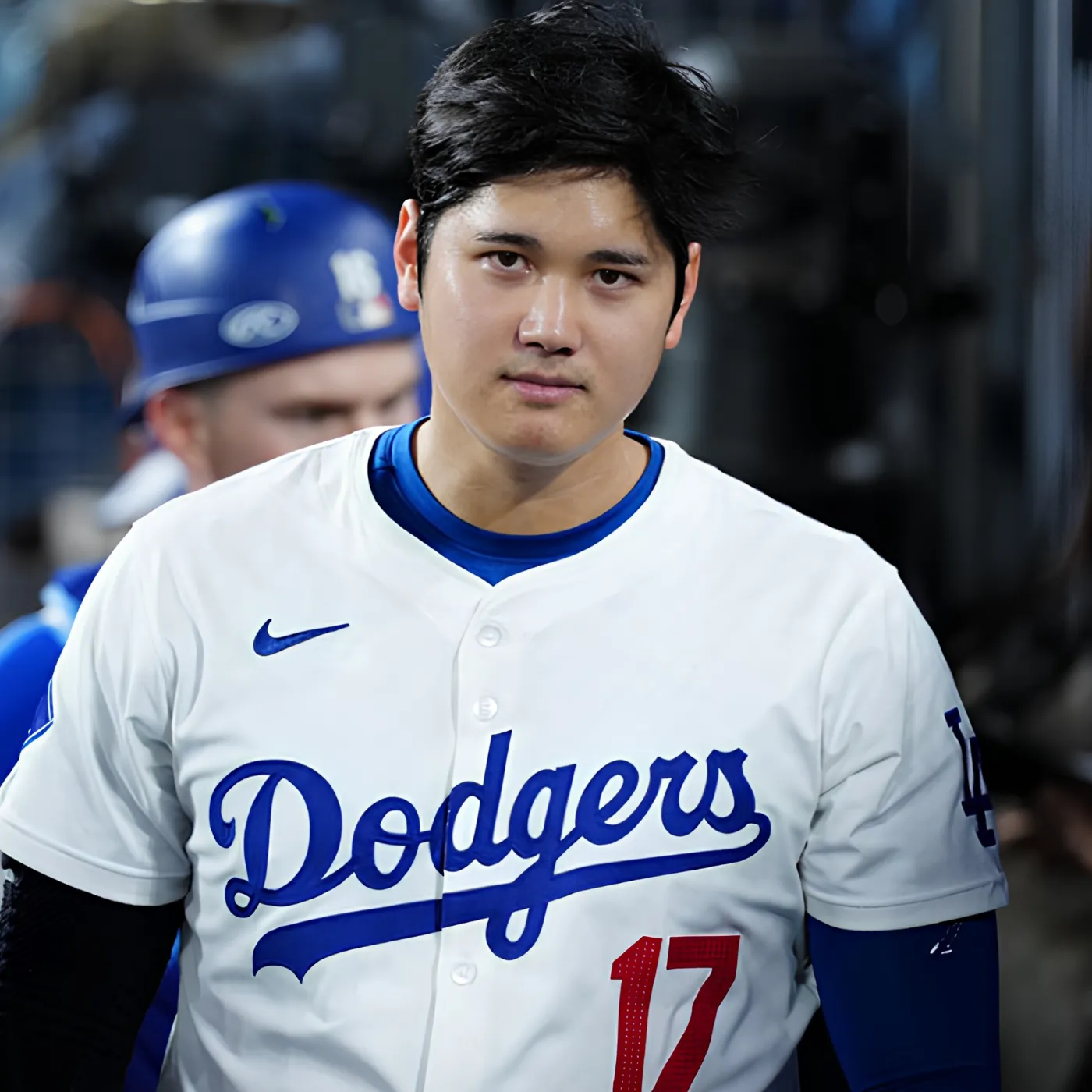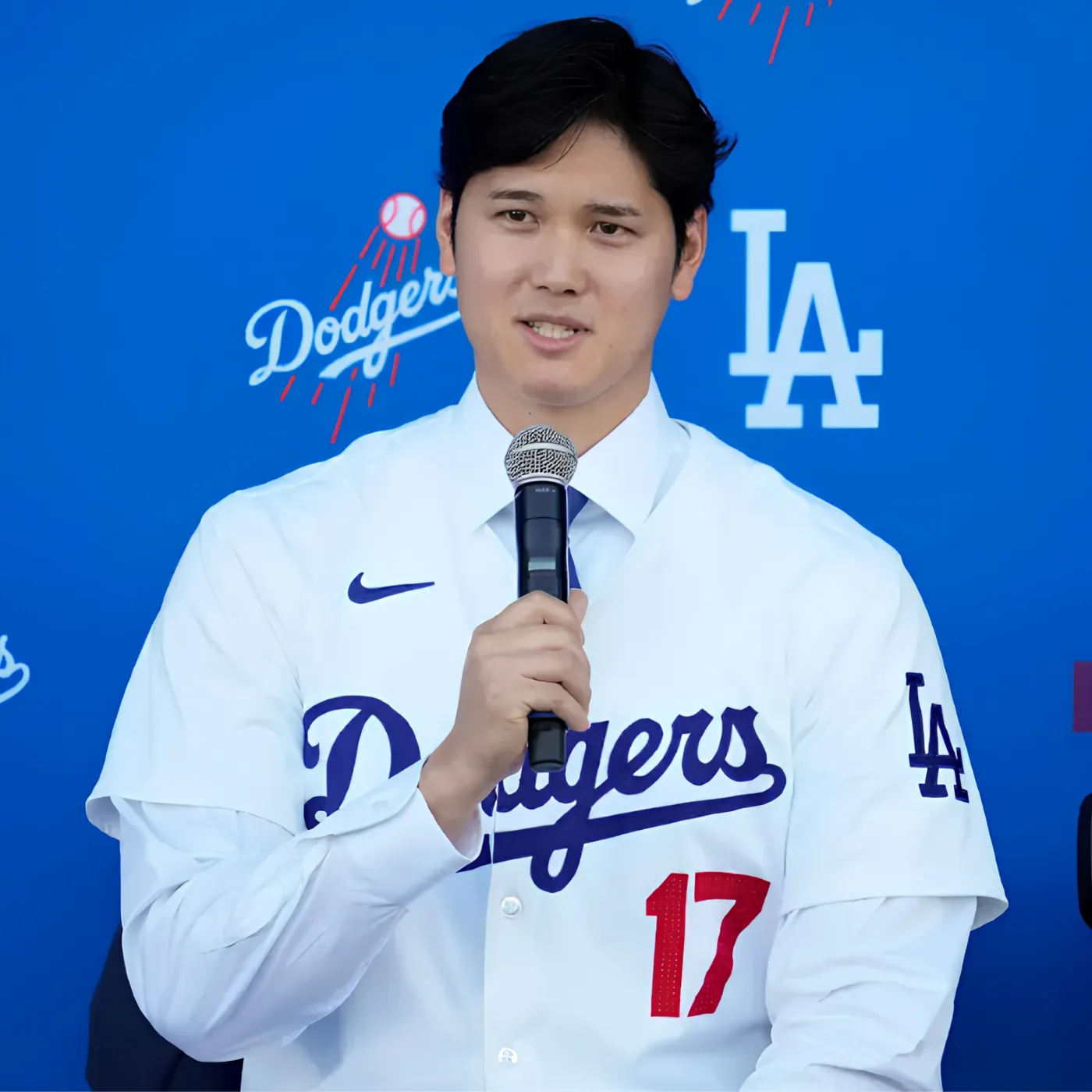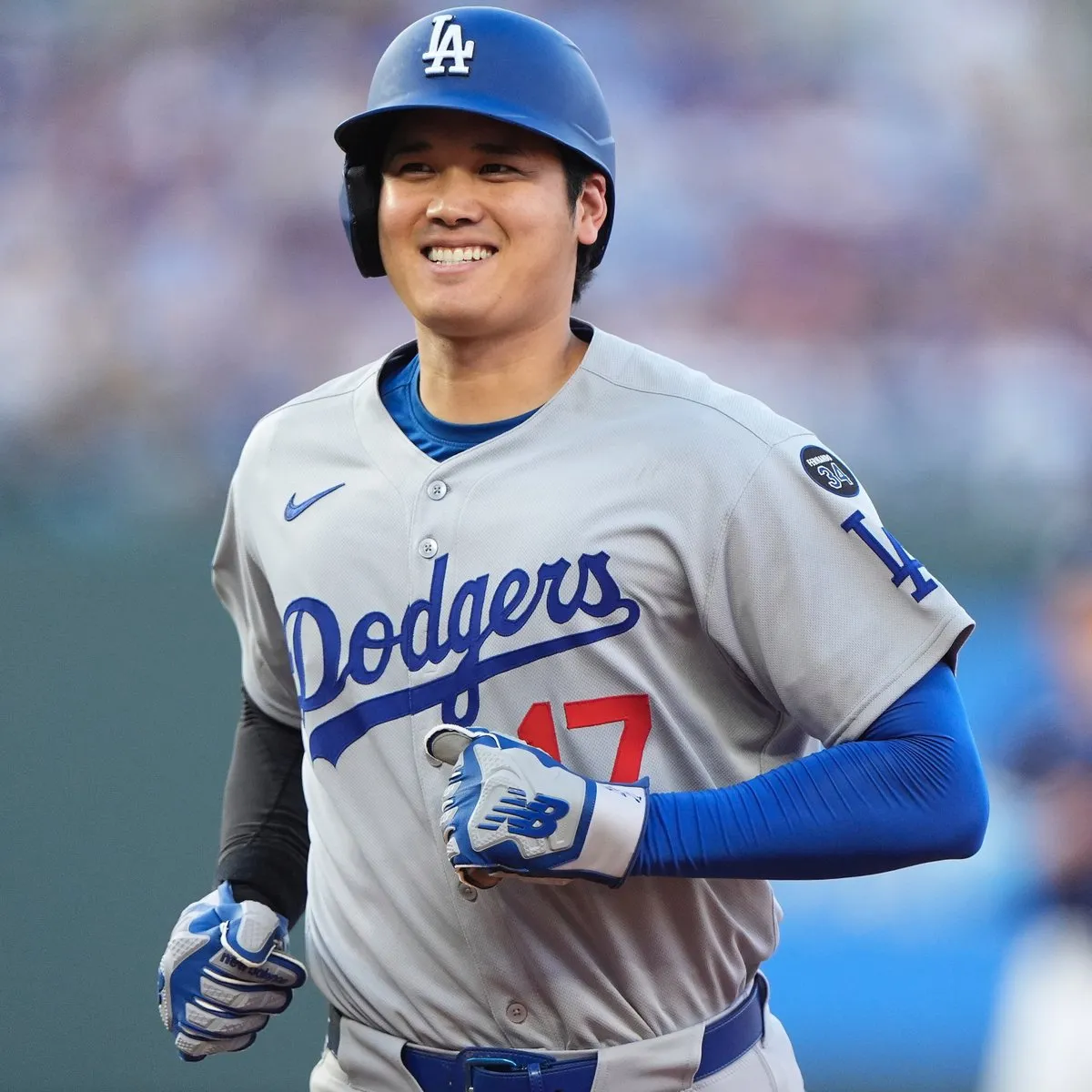
Shohei Ohtani Silences Doubters with 7-Inning Masterclass — Just One Hit Allowed in His Longest Start Since Elbow Comeback
For months, critics and fans alike wondered whether Shohei Ohtani, the two-way phenomenon from Japan, could truly return to the mound with the same fire and finesse that once dazzled Major League Baseball. After undergoing surgery on his right elbow, Ohtani’s future as a pitcher had been shrouded in uncertainty, his every outing meticulously analyzed for signs of fatigue, discomfort, or regression. But on a crisp evening in late June, Ohtani responded with thunder — and not from the batter’s box. Instead, it came from the mound, where he delivered a stunning seven-inning performance that not only reaffirmed his place among baseball’s elite but also silenced those who questioned his resilience.
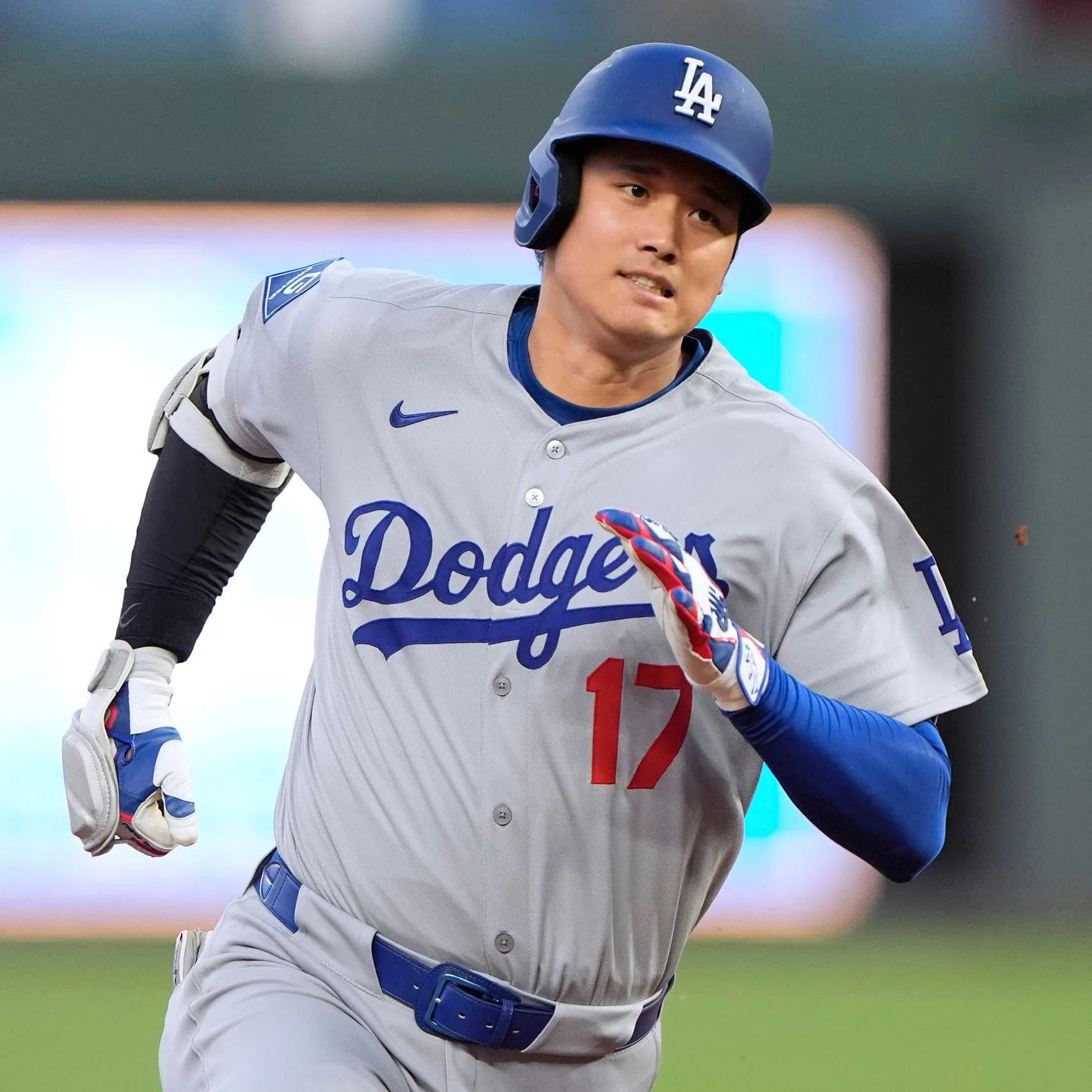
With just one hit allowed in his longest start since the elbow comeback, Ohtani carved through the opposing lineup with surgical precision. It wasn’t merely dominance — it was a statement.
A Return Long in the Making
Ever since his surgery, Ohtani’s pitching future had been the subject of heated debate. Some analysts believed his days as a two-way player were numbered, that his best option would be to focus exclusively on hitting to preserve his longevity in the league. The Los Angeles Dodgers, having invested heavily in acquiring him, had publicly expressed caution, limiting his innings and spacing out his appearances. It was clear that the organization was prioritizing his health over short-term performance, a strategy that made sense on paper but left fans impatient.
Behind closed doors, however, Ohtani had been preparing for a return not just to health — but to form. The type of form that earned him the 2021 and 2023 AL MVP Awards, the form that left hitters guessing and scouts in awe. He didn’t want to just pitch again. He wanted to dominate.
Precision and Power in Perfect Harmony
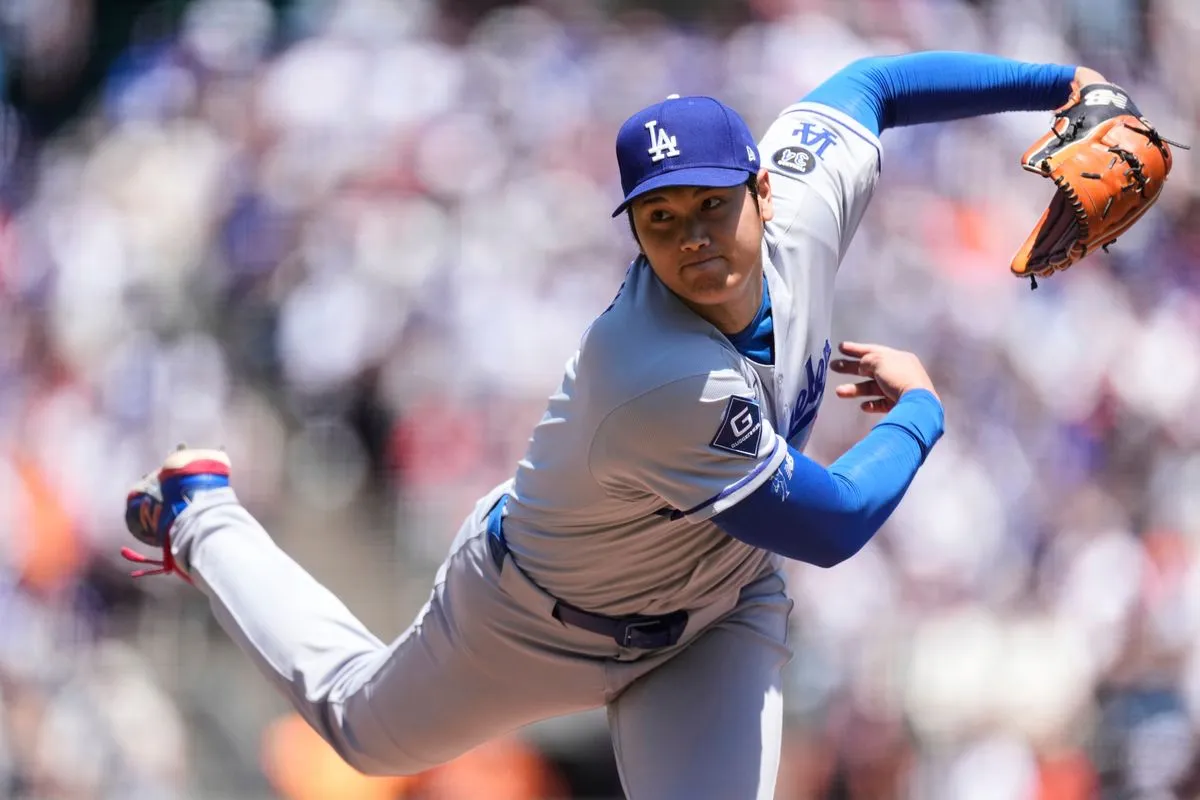
The game in question wasn’t supposed to be a headline-grabber. It was a midseason matchup, the kind that usually slips through the cracks of national coverage. But Ohtani had other plans. From the first inning, he attacked the strike zone with confidence, blending high-90s fastballs with devastating splitters and sliders that seemed to fall off a cliff. The opposing team looked overmatched, swinging over breaking balls and helplessly watching fastballs whiz by.
He struck out the side in the second inning, setting the tone for the night. Even more impressive than the velocity was the control. Ohtani, who at times in previous starts had looked hesitant to fully extend on his delivery, was now pitching with freedom — his mechanics smooth, his balance unshaken.
By the fifth inning, the buzz in the stadium was unmistakable. A no-hitter was within reach. Though that dream was dashed with a sharp single to left-center in the sixth, the damage was minimal. That lone hit would be the only one he’d allow across his seven-inning gem.
A Masterclass in Composure
Equally compelling was Ohtani’s demeanor throughout the outing. Gone was any hint of discomfort or cautious pacing. Instead, he worked efficiently, rarely falling behind in the count, and displayed a calm intensity that’s become his trademark. At one point, after inducing a double play to escape a minor jam in the fourth inning, he walked off the mound stone-faced — not out of frustration, but out of focus.
It was clear to anyone watching: Shohei Ohtani was in complete control.
Even the opposing dugout acknowledged the brilliance unfolding before them. One coach was seen shaking his head after a particularly wicked backdoor slider, mouthing the words “unhittable.” It was that kind of night — the kind where talent eclipses strategy, and presence becomes power.
What This Means for the Dodgers — and for Baseball
This performance couldn’t have come at a better time for the Los Angeles Dodgers. With injuries plaguing parts of the starting rotation and the team engaged in a tight divisional race, Ohtani’s ability to log deep innings was a welcome sign. More than just a morale boost, his outing provided tangible relief to the bullpen, which had been overextended in recent weeks.
But beyond the practical implications, there was something symbolic about this start. It marked the moment where doubt gave way to belief. When Ohtani signed with the Dodgers, expectations were astronomical. Some whispered that it was more of a long-term investment — that 2024 would be about recovery, not results. But here he was, in peak form, dictating the pace of a game and redefining what’s possible post-surgery.
For the league, Ohtani’s dominance reaffirmed what fans had long hoped: that his injury wasn’t the end of an era, but merely a pause. His ability to perform at the highest level, even after invasive surgery, sends a message to the baseball world — that the unicorn hasn’t lost his horn.
Rewriting the Narrative
Perhaps the most compelling aspect of this outing is how it reframes the narrative surrounding Ohtani. Before the start, national pundits were still cautiously optimistic. Now, many are openly revising their takes.
One sports network anchor, who had previously called the two-way experiment “unsustainable long-term,” tweeted after the game: “I was wrong. Ohtani’s start tonight proves that he’s not just back — he’s better.”
The phrase “He’s better” might seem hyperbolic at first glance, but there’s a case to be made. His pitch sequencing has improved. His command is tighter. And above all, his maturity as a pitcher — knowing when to challenge hitters and when to finesse them — is evolving in real time. If this is what a post-elbow surgery Ohtani looks like, then perhaps the ceiling we imagined before was too low.
The Global Impact of a Singular Talent
Ohtani’s return to dominance isn’t just a story for American baseball. In Japan, where he’s a national icon, the reaction to this performance was euphoric. Television specials aired within hours of the game ending, breaking down every pitch, every inning. Children watched in awe. Elders nodded in pride. The buzz was not just about baseball — it was about hope, perseverance, and excellence.
This is what makes Shohei Ohtani more than just a player. He is a symbol. A symbol that transcends sport, nationality, and language. His comeback is being studied not just for mechanics, but for meaning. How do you return to form after a setback? How do you respond when the world watches with skepticism?
Ohtani’s answer is simple: You perform.
Looking Ahead — What Comes Next for Shohei
With the season nearing its midpoint, the attention now shifts to what Ohtani can sustain. The Dodgers have been tight-lipped about long-term pitching projections, especially with the playoffs looming. But it’s becoming harder to justify limiting a player who just turned in a seven-inning, one-hit masterpiece.
Manager Dave Roberts was measured in his praise postgame, noting, “We’re still going to be smart with Shohei. But tonight reminded all of us why he’s so special.”
And special he is. Ohtani’s ability to adapt, adjust, and excel sets him apart not just from his peers, but from history itself. The comparisons to Babe Ruth now seem quaint — because Shohei Ohtani is writing his own chapter, and it’s unlike anything baseball has ever seen.
Conclusion: The Legend Grows
In the grand tapestry of Major League Baseball, there are games that fill the schedule and games that define careers. This night was the latter. Shohei Ohtani, coming off a significant medical procedure and under the intense glare of expectation, delivered a performance that reminded the world of his brilliance.
This wasn’t just a dominant start. It was a declaration. A line in the sand. A moment that turned whispers into roars. Seven innings. One hit. Zero doubts. Shohei Ohtani is back — and he may be better than ever.