







Meet the mailman who dove into McCovey Cove for Ohtani’s home run ball — and why he’s still not sure if he’ll keep or sell the ball
The Moment That Shocked the Bay
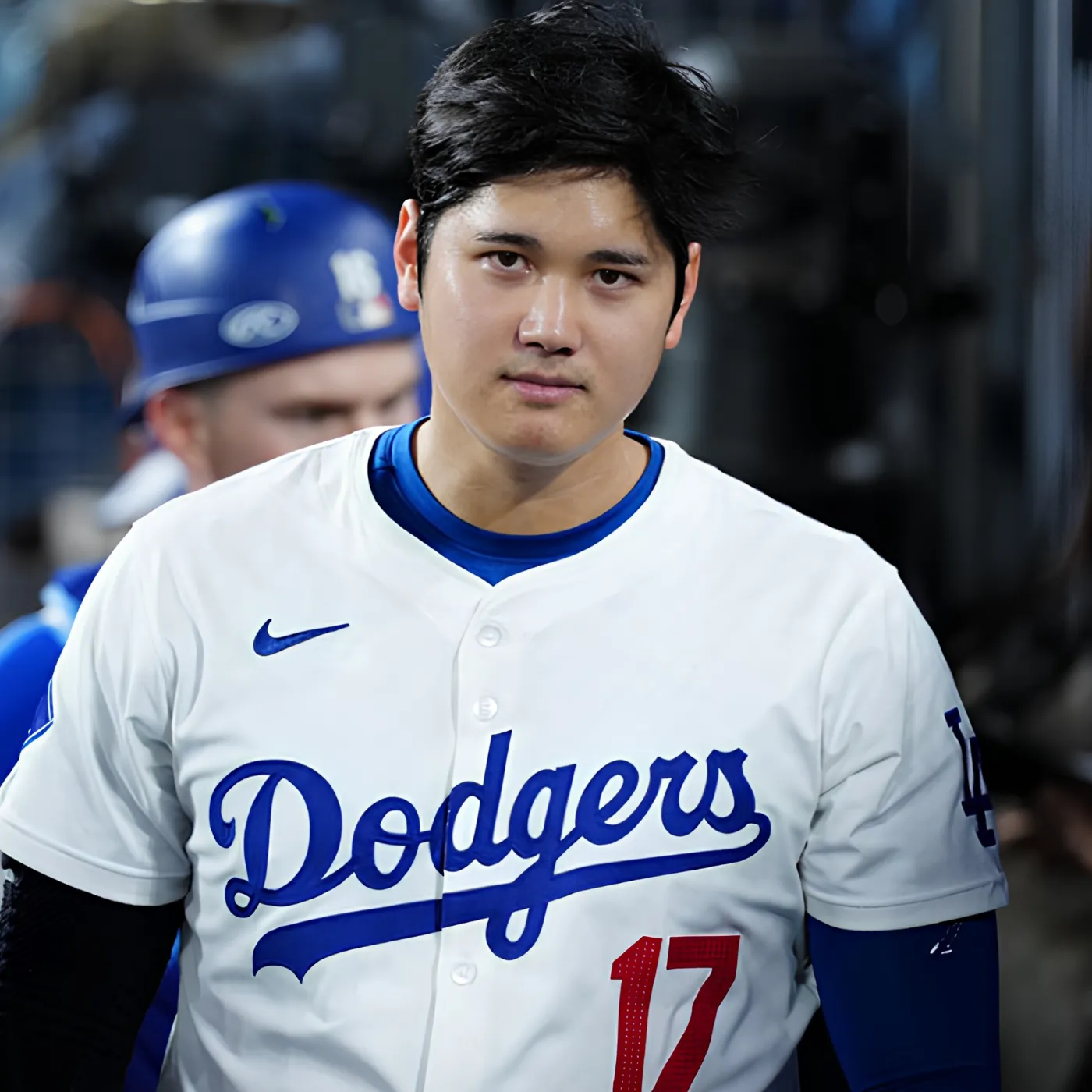
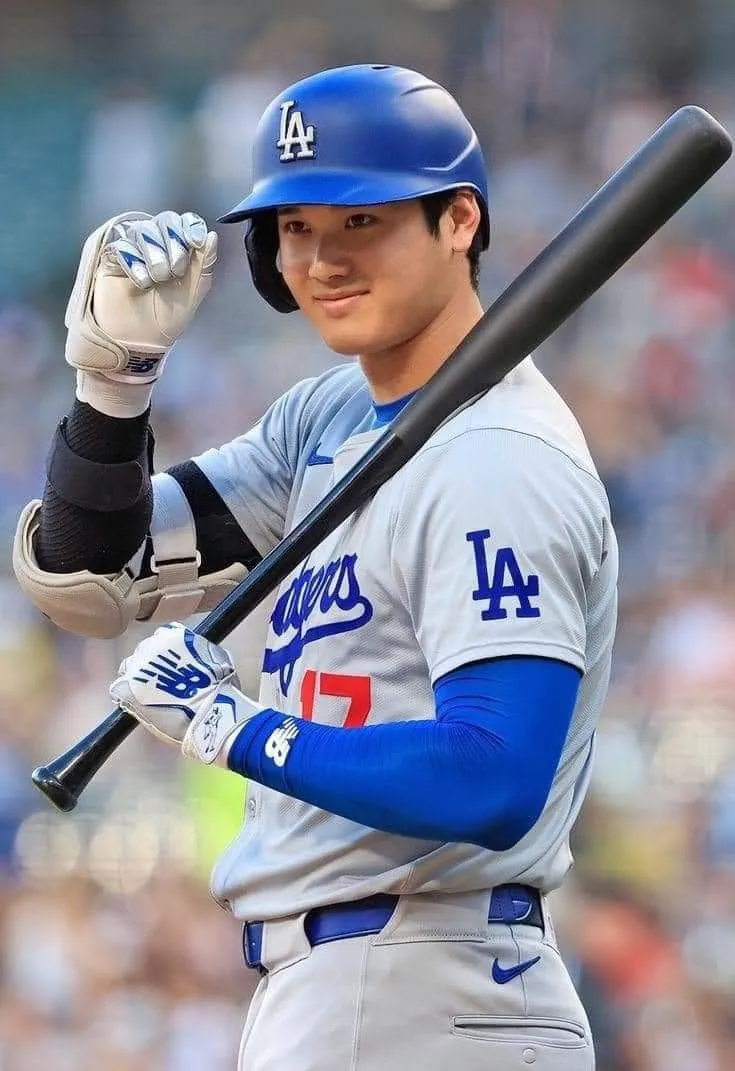
It was a sunny Sunday afternoon in San Francisco, the kind of day that draws thousands to Oracle Park not just for the game, but for the spectacle of baseball by the Bay. On this particular day, all eyes were on Shohei Ohtani, the Japanese superstar whose bat has become one of the most feared in Major League Baseball. In the fifth inning, Ohtani connected with a high fastball and sent it sailing over the right-field wall — not just into the stands, but into the waters of McCovey Cove.
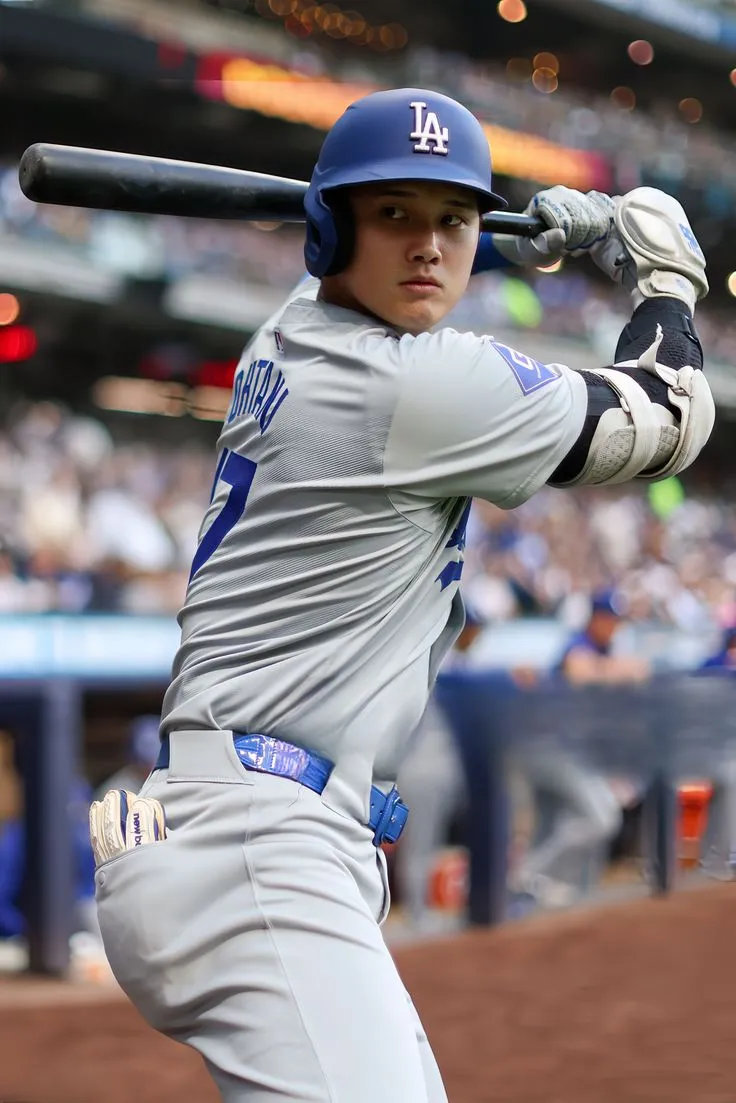
It was Ohtani’s 37th home run of the season, and it was a splash hit, the term Giants fans lovingly use for balls that make it into the cove. But what happened next became just as much a part of the legend as the hit itself.
As fans in kayaks and paddleboards scrambled to track the splash, one figure was already airborne — a man in his late forties, wearing USPS-blue swim trunks and goggles, diving into the cold, salty water. He emerged seconds later, triumphant, with the home run ball in hand.
That man was Terrance “Terry” McAllister, a longtime Bay Area mailman, part-time amateur diver, and — now — the unlikely centerpiece of a media frenzy.
Who Is the Mailman Who Made the Dive?
McAllister has been delivering mail for over 25 years in Daly City, but his passion has always been baseball. A lifelong San Francisco Giants fan, he grew up idolizing players like Barry Bonds and Willie Mays, and he’s never missed a season opener at Oracle Park. But it wasn’t until recent years that he discovered his love for kayaking in McCovey Cove, the waterway just beyond the right-field fence that has become iconic for fans hoping to snag souvenir balls.
“It’s peaceful out here,” McAllister says, sipping coffee from a thermos on the dock. “Even if I don’t get a ball, I get to be close to the game. But when Shohei Ohtani is at bat, you pay extra attention. You know something special could happen.”
He recalls how, as Ohtani stepped into the box, there was a buzz among the cove regulars — many of whom are seasoned “ballhawks” with nets, floating coolers, and waterproof radios tuned to the broadcast.
Then the swing came, and so did the splash.
“I didn’t hesitate,” McAllister laughs. “I had my goggles on already. When I saw where it landed, I just dove. The water was colder than usual, but I wasn’t thinking about that. I just thought, ‘That’s Ohtani’s ball. That’s history.’”
The Aftermath of the Splash Hit
What McAllister didn’t expect was the instant celebrity that followed. Within minutes, fans nearby were taking photos. By the time he made it back to shore, soaked and shivering but grinning ear to ear, there was already a local sports reporter waiting to interview him.
That night, his phone exploded with texts and notifications. Footage of his leap aired on SportsCenter, and even Japanese TV stations featured clips of his catch.
“I didn’t really sleep that night,” he says. “My daughter texted me a clip from TikTok that already had 1.2 million views. It was surreal.”
The attention hasn’t died down since. McAllister’s story has been picked up by major outlets like ESPN, Bleacher Report, and even NHK Japan. Ohtani himself was asked about the catch during a post-game press conference and smiled when he saw the footage.
“He got it fair and square,” Ohtani said through his interpreter. “That’s part of the fun of hitting one into McCovey Cove.”
But for McAllister, the question now becomes: what to do with the ball?
The Dilemma: Keep, Sell, or Return It?
There’s no doubt this is no ordinary baseball. Shohei Ohtani is a once-in-a-generation talent, a player who pitches and hits at elite levels. Every home run he hits adds to a growing legend — and this ball, a splash hit on the road, is particularly rare.
Sports memorabilia experts estimate the ball could fetch $10,000 to $50,000 on the open market — maybe more if Ohtani ends the season with an MVP or breaks another record.
But McAllister isn’t sure.
“Everyone’s telling me to sell it,” he says, shrugging. “And part of me thinks, yeah, that money could help. My daughter’s starting college this fall. But then I think: it’s Ohtani. I caught that. That’s a memory you don’t just auction off.”
He’s also considered returning it to Ohtani himself, perhaps in exchange for a signed jersey or a meet-and-greet. A fan-driven GoFundMe has even popped up online with the title “Let the Mailman Keep the Ball,” raising over $4,000 in a single weekend, even though McAllister didn’t start it or ask for it.
For now, the ball sits in a protective glass case in his modest living room, next to a bobblehead of Willie Mays and a framed USPS award for outstanding service.
“I look at it and I still can’t believe it,” he says. “That I was the guy. The one who dove in and came up with it.”
What Makes a Home Run Ball So Valuable?
To understand why this moment — and this ball — matters so much, you have to understand the place it happened.
McCovey Cove isn’t just a quirky feature of Oracle Park; it’s an essential part of Giants lore. Named after Hall of Famer Willie McCovey, it’s the watery target for left-handed sluggers, and it’s been the site of some of the most iconic home runs in baseball history.
But what makes this one unique is the player: Shohei Ohtani, a visiting opponent, not a Giant. Very few non-Giants have ever managed a true splash hit, and even fewer have done it with the kind of fanfare that follows Ohtani.
“There’s something mythical about him,” McAllister says. “He’s like Babe Ruth, but now. He’s rewriting what’s possible in the game.”
Add to that the fact that this wasn’t a home game for Ohtani, and the ball becomes even rarer — a historic hit, in a legendary location, captured by a fan who literally dove for it.
It’s part of what fuels the debate over whether McAllister should keep or sell it — because it’s not just a ball. It’s a piece of baseball history.
What the Future Holds for the Cove’s New Hero
In the days following the catch, McAllister has become something of a local celebrity. Kids ask him for autographs when he delivers mail. The local newspaper ran a cartoon of him in postal gear, goggles, and flippers. Even his manager at the USPS gave him a lighthearted warning: “Just don’t start swimming across your route.”
He’s also been invited to throw out a ceremonial first pitch at an upcoming Giants game. He laughs when asked if he’ll accept.
“Only if they promise not to make me wear a wetsuit.”
But beyond the media circus and memes, what sticks with McAllister is the purity of the moment — the joy of seeing a ball fly, the instinct to dive, the feeling of the leather in his palm as he surfaced.
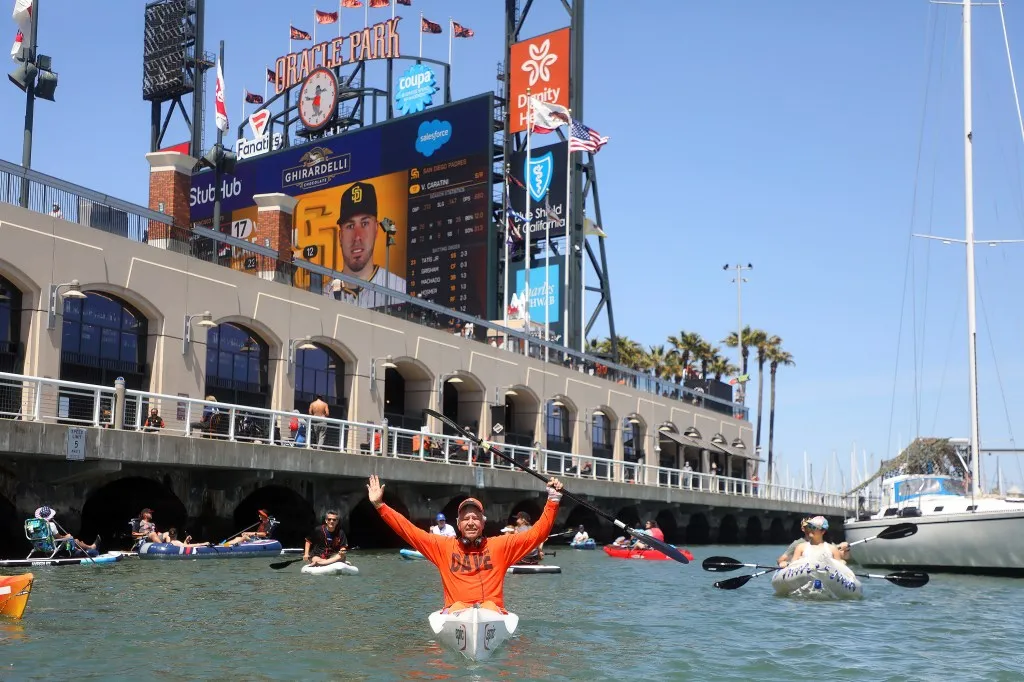
“It wasn’t about money. It wasn’t about going viral,” he says. “It was about being part of something bigger. Baseball is about moments. This one just happened to be mine.”
A Symbol of Baseball’s Timeless Magic
As the baseball season marches on and Ohtani continues to dazzle fans around the world, Terry McAllister’s story stands out not just for its splash, but for its soul.
He’s not a collector, not a scalper, not even a professional diver. He’s a mailman with a passion for baseball, who happened to be in the right place at the right time — and who made the most of it, not for profit, but for the love of the game.
Whether he decides to sell, keep, or gift the home run ball, it’s clear the memory will stay with him forever. And perhaps that’s what makes it truly valuable.