



Rachel Zegler Sparks Outrage with Sabrina Carpenter BST Praise Post
Rachel Zegler has found herself at the center of a social media firestorm after a seemingly innocent shoutout to Sabrina Carpenter at the BST Hyde Park show ignited a wave of outrage, mockery, and heated debate among fans.

It all started with one unassuming line: “Saw my fave tiny blonde tonight!”
That single sentence has split the internet in two, sparking furious debates over fangirling, celebrity cliques, and what some are calling “blatant industry pandering.”
This wasn’t just another concert selfie. It was fuel on a bonfire of pop-culture drama, fandom wars, and viral gossip that refuses to die down.
So what really happened? Why are people so mad? Is Rachel Zegler a “fake stan” or just an overexcited fan? And how did Sabrina Carpenter benefit from the mess?
Let’s break it down in brutal, unfiltered detail.
Rachel Zegler’s Now-Infamous Post
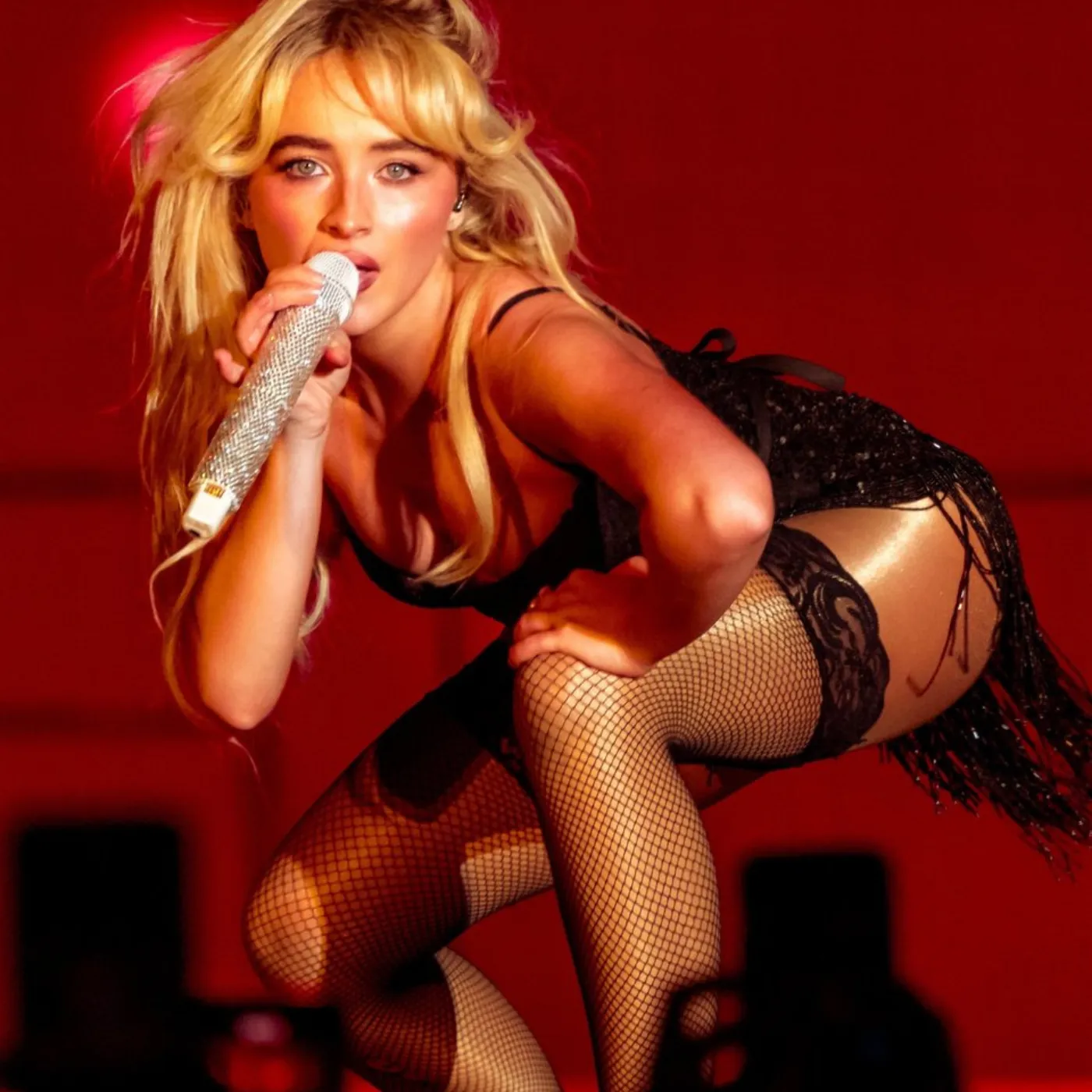
Zegler attended Carpenter’s massive BST Hyde Park performance in London—a big deal for Carpenter, who has been riding a wave of viral hits, buzzy public appearances, and highly curated pop-star image-building.
After the show, Zegler shared the now-viral line on her Instagram story: “Saw my fave tiny blonde tonight!”
It was short, casual, and sounded affectionate—the sort of thing fans eat up.
But the internet didn’t see it that way.
Immediate Fan Reaction: Cringe or Cute?
Within minutes, Twitter (or X), Instagram, and TikTok lit up with hot takes.
Some called it adorable:
“Rachel is all of us, honestly.”
“Love that she’s a fan like everyone else.”
“They’re friends, calm down.”
Others labeled it embarrassing or performative:
“The industry is so fake lmao.”
“Not the ‘tiny blonde’ marketing push.”
“She’s trying so hard to look relatable.”
And then there were the downright savage takes:
“This is the cringiest thing I’ve seen all week.”
“Rachel, blink twice if you’re being held hostage by a PR team.”
“Stop. It’s embarrassing for both of you.”
What was supposed to be a cute shoutout turned into a full-on meme factory.
“Tiny Blonde” Becomes a Meme
One detail no one could let go?
“Tiny blonde.”
The phrase became a punchline overnight.
TikTok edits flooded For You Pages.
Fans posted mock self-descriptions: “Saw my fave tiny brunette tonight!”
Others roasted the Hollywood marketing machine: “Say you’re selling a brand without saying it.”
Meme pages spammed screenshots with captions like “Not Rachel going full PR intern.”
On Twitter, “tiny blonde” even trended in some regions.
It wasn’t just a phrase—it was content.
Why “Tiny Blonde” Hit a Nerve
Let’s be real: Sabrina Carpenter’s entire brand is tightly controlled.
She’s positioned as cheeky, sparkly, and ultra-marketable.
Her image is cute-but-feisty, very online, and always “just relatable enough.”
Every appearance feels strategic—the carefully curated pop princess who’s in on the joke but also selling you the album.
So when Rachel Zegler—herself a rising star with a carefully managed image—called her “my fave tiny blonde,” it felt to many like corporate synergy disguised as friendship.
Or as one viral tweet put it, “When the label group chat says be supportive.”
It wasn’t hate for Rachel or Sabrina specifically—it was skepticism about how calculated the industry looks.
Fans Accuse Zegler of “Industry Pandering”
While some praised Zegler’s enthusiasm, others accused her of being desperate to stay relevant by latching onto Carpenter’s hype.
“She’s literally using Sabrina for clout.”
“This is so forced it hurts.”
“Did she even know a single Sabrina song before this?”
The Hollywood-friendship-as-marketing theory spread fast.
Entertainment blogs ran headlines like
“Rachel Zegler’s Sabrina Fangirl Post Sparks Debate Over Industry Friendships.”
“Was Rachel Zegler’s ‘Tiny Blonde’ Shoutout Genuine or PR?”
YouTube commentary channels churned out reaction videos, dissecting the “power move” of attaching herself to a viral star in the middle of her career peak.
The “Pick-Me” Accusations
Some fans took it further, framing Zegler’s post as classic “pick-me” behavior.
They claimed she was trying to prove she’s “one of ”us”—just another regular fangirl, despite being a big-name actress herself.
Sample tweets:
“Rachel Zegler pretending she’s a stan account is killing me.”
“Celebs cosplaying as fans is peak 2025 cringe.”
“Imagine being famous and still posting like you want mutuals.”
It became a mini culture war between fans who loved the unfiltered vibe and those who saw through it as desperate branding.
Meanwhile, Sabrina Carpenter Benefits
For Sabrina Carpenter, this was free advertising.
Her BST Hyde Park show was already a big win—huge crowd, buzzy media coverage, and viral social posts of her dancing in sparkly costumes.
But the Rachel Zegler post supercharged the visibility.
Suddenly, her show wasn’t just trending because of her own performance. It was trending because of the controversy over how other celebs talk about her.
More shares.
More memes.
More TikTok edits.
More SEO hits.
Her name was everywhere.
Even people who didn’t care about the concert were watching Zegler’s post get roasted—and by extension, hearing about Sabrina Carpenter’s BST set.
Why Fans Are So Cynical
This drama didn’t come out of nowhere.
Pop music marketing in 2025 is hyper-aware, hyper-online, and frankly, over it.
Fans know:
Celebs deliberately hype each other for cross-promotion.
Social posts are planned, even the “spontaneous” ones.
Labels, management, and PR teams love a viral friendship moment.
So when Zegler posted that she saw her “fave tiny blonde,” the cynics saw a carefully placed chess piece, not an authentic moment.
And they weren’t shy about saying it.
The Rachel Zegler Defense Squad
Of course, Zegler wasn’t without defenders.
Plenty of fans jumped to her aid:
“Y’all are weird for attacking her for supporting a friend.”
“It’s literally a concert post; go touch grass.”
“Everyone wants drama so badly.”
They pointed out:
Zegler didn’t name-drop any brand or campaign.
She’s always been open about liking pop music.
It’s normal to post about a concert you enjoyed.
Some even suggested the backlash said more about fans than about Rachel:
“The way people dissect every harmless post is exhausting.”
“She didn’t even tag an album. Chill.”
Rachel Zegler: Celebrity or Fangirl?
A big reason this blew up?
It taps into a wider tension about how celebs try to seem “relatable.”
We’re in an era where stars know being a fan plays well on social media:
Harry Styles praising his openers.
Taylor Swift showing up at other artists’ shows.
Actors sharing Spotify Wrapped like teenagers.
Fans want celebs to feel real.
But they also know it’s a marketing strategy.
Rachel’s post landed right in that messy middle ground:
Too slick to be private.
Too casual to feel fully corporate.
Just ambiguous enough to spark conspiracy theories.
Sabrina Carpenter’s Response? Silence.
Notably, Sabrina Carpenter didn’t directly comment on Zegler’s post.
She simply reposted generic crowd shots, press coverage, and backstage photos.
Which, of course, fed more speculation.
“Did Sabrina think it was cringe too?”
“Is she ignoring Rachel because of the backlash?”
“Or is this the plan all along—let Rachel take the heat while Sabrina gets the streams?”
Because if there’s one rule of celebrity PR:
Silence is never actually neutral.
Was It Really That Bad?
If you strip away the memes and fan wars, Rachel’s post was harmless.
One line.
No brand tag.
No merch link.
Just a gushing fangirl moment.
But the internet doesn’t do harmless.
Everything gets analyzed.
Everything’s “sus.”
Everyone has receipts.
And in the age of viral marketing, no one trusts that anything is real.
The Real Winner: Sabrina Carpenter
For all the drama, there’s no question who came out on top.
Sabrina Carpenter’s BST show was already high-profile.
But Rachel’s post added another layer of buzz:
Fans debated it.
Haters memed it.
The media covered it.
Algorithms boosted it.
More importantly:
It centered the conversation around Sabrina herself.
Good press, bad press—all roads led to her name trending.

Final Word
Rachel Zegler didn’t insult anyone. She didn’t start a fight. She didn’t even break any social media rule.
She posted a single, slightly cringe, totally fangirl line.
And the internet tore it to shreds.
Because in 2025, that’s all it takes.
We want our celebrities to be relatable—but not too relatable.
We want them to support each other—but not in a way that feels staged.
We want authenticity—but also drama.
And in the end?
We’ll argue about it all day—and give them all the clicks they could ever want.