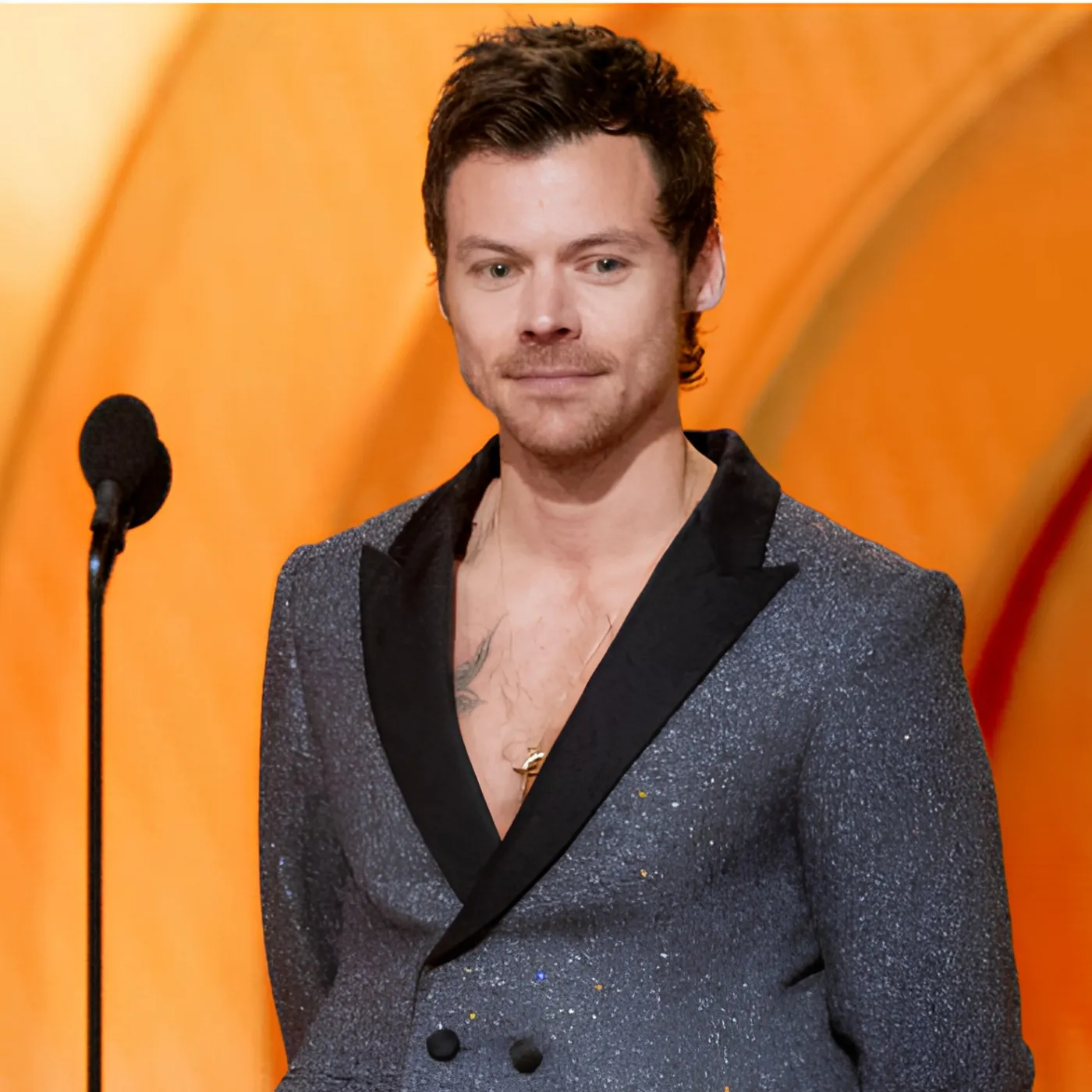









While Others Blame ‘Purge Drama,’ Harry Styles Quietly Dominated Spotify — 25 Billion Streams On Just 37 Songs And No One Can Touch Him
In a year plagued by accusations of botted streams, chart manipulation, and digital “purges” that shook the foundations of music streaming, one artist stood untouched, unbothered, and undeniably dominant: Harry Styles. While headlines have been swirling around allegations targeting major names—Nicki Minaj, Doja Cat, even BTS—over suspicious streaming patterns or disappearing numbers, Harry Styles quietly carved out his own digital empire on Spotify, untouched by the drama. With only 37 songs officially released as a solo artist, Styles has now surpassed 25 billion total Spotify streams. No tricks, no gimmicks, no accusations. Just music, and a loyal global audience that won’t stop listening.

This isn’t just a success story—it’s a case study in how artistic integrity, brand cultivation, and audience trust can still outshine chaos in the music industry.
The Drama of the “Spotify Purge” and the Industry’s Reckoning
Over the past year, the music world has seen Spotify’s algorithms and tracking systems undergo serious overhauls. In a massive effort to crack down on artificially inflated numbers—whether through streaming farms, bots, or suspicious repeat activity—the platform began what fans dubbed the “Spotify Purge.” Songs began losing streams overnight, and artists found themselves having to explain vanishing numbers to increasingly skeptical fans and journalists.
Social media exploded with theories. Artists like Nicki Minaj called out what they believed to be biases or targeting, while some industry insiders insisted these were just necessary corrections. The undercurrent was clear: who’s real, and who’s faking it?
As some names rose and fell based on weekly charts and algorithm shifts, Harry Styles emerged as something of an anomaly. His numbers not only remained stable—they kept growing. Even during weeks when other pop powerhouses experienced notable dips, Styles’ catalog continued to bring in tens of millions of streams.
A Discography That Defies Volume — And Still Wins
To fully understand this phenomenon, one has to grasp just how minimalistic Harry Styles’ Spotify presence is compared to others in his league. Unlike many pop stars who flood the market with deluxe albums, re-releases, and dozens of collaborations, Styles has kept his discography clean and focused.
Since going solo in 2017, Styles has released just three studio albums: Harry Styles (2017), Fine Line (2019), and Harry’s House (2022). In total, only 37 songs have been officially made available on Spotify under his solo name. Yet somehow, this compact body of work has generated over 25 billion streams—an average of over 675 million streams per song. To put that in perspective, that average exceeds the career-long per-song average of many artists with catalogs four times as large.
The conclusion is clear: this isn’t about flooding the market. It’s about making each song count.
The “Watermelon Sugar” Effect and Timeless Streaming Power
Some might argue that part of this success hinges on “Watermelon Sugar,” the 2019 breakout summer hit that has become a staple on playlists worldwide. But that’s just one piece of the puzzle. Yes, the track has amassed over 2.3 billion streams on its own, but Styles has multiple tracks in the billion-streams club, including “Adore You,” “As It Was,” and “Sign of the Times.”
More importantly, the streaming data reveals something essential: Styles doesn’t have hits—he has entire albums that people keep coming back to. Unlike artists whose chart-topping singles overshadow the rest of their work, Styles’ fans stream deep cuts, ballads, and mid-tempo tracks with equal enthusiasm. Songs like “Matilda,” “She,” and “Little Freak” continue to rack up streams long after their release. This is not normal streaming behavior—this is the behavior of a dedicated, deeply connected audience.
Why Harry Styles Escaped the Purge
So, why did Harry Styles avoid the Spotify purge when so many others didn’t?
First, fan behavior matters. Styles has cultivated one of the most organically engaged fanbases in the world. His listeners don’t rely on “streaming parties” or artificial tactics. Instead, they listen—and re-listen—because they actually love the music. This kind of sustained, authentic engagement shows up differently in Spotify’s backend, signaling quality over quantity.
Second, Styles’ career choices have always leaned toward long-term brand building over short-term hype. There’s no constant flood of releases, no desperation to “go viral,” and no collabs done solely for algorithm boosts. He’s focused on music, performance, and selective press—and it shows.
Finally, and perhaps most crucially, his artistry speaks for itself. The quality of production, songwriting, and sonic identity in his albums sets a standard that resonates across demographics and geographies. Spotify’s algorithms don’t just reward play counts—they reward retention, playlist placement, and user satisfaction. On those fronts, Styles is winning.
A Global Audience with Staying Power
Harry Styles isn’t just big in the UK or the US—he’s a global phenomenon. Spotify data shows strong numbers across Latin America, Southeast Asia, Europe, and even non-English-speaking countries. His ability to transcend linguistic and cultural boundaries has given him a level of resilience that many pop stars can only dream of.
One particular standout is “As It Was,” the lead single from Harry’s House, which broke records by spending 15 weeks at No. 1 on the Billboard Hot 100 and even more time dominating Spotify’s global chart. It remains one of the most-streamed songs of the decade and shows no signs of fading.
This kind of reach doesn’t come from algorithms alone. It comes from emotional connection, from music that feels both deeply personal and universally accessible.
The Industry Watches—and Learns
As Spotify and other platforms continue refining their systems to weed out manipulation, the industry has no choice but to look toward artists like Harry Styles as models. Not just for how to succeed—but for how to do so ethically, sustainably, and with integrity.
Labels are beginning to re-evaluate their strategies. Artists, especially those who have relied heavily on social media virality, are starting to ask tough questions: What happens when the tricks stop working? What happens when the only thing left is the music?
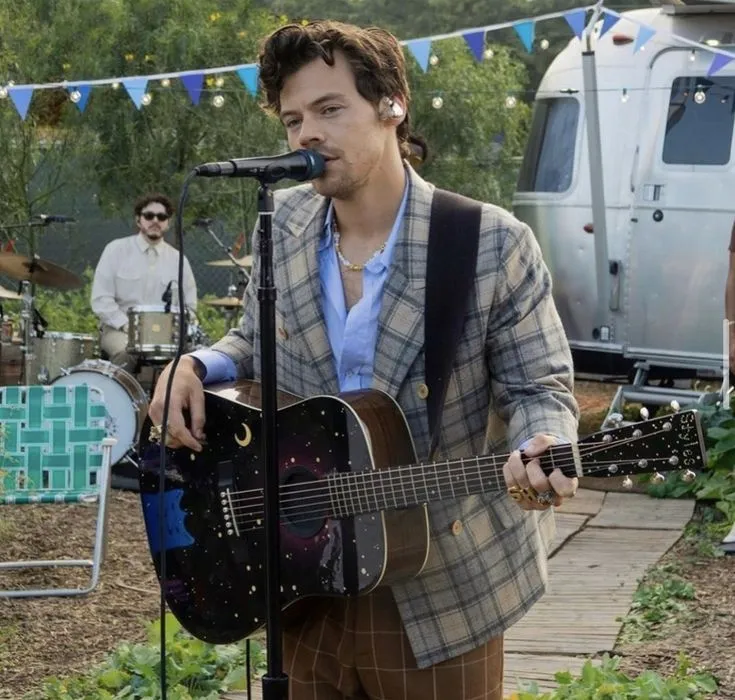
In that light, Harry Styles doesn’t just represent success—he represents a return to fundamentals. The kind of fundamentals that reward patience, creativity, authenticity, and emotional intelligence.
No One Can Touch Him — And That’s Not Just Hype
In an era where numbers often lie, Harry Styles’ Spotify stats feel like the rare case where the math actually tells the truth. With 25 billion streams from a lean catalog, no scandals, and zero accusations of foul play, he’s not just participating in the game—he’s redefining what winning looks like.
Other artists may have more followers, more tweets, or more attention-grabbing controversies. But none have built a career quite like this—one where the music speaks louder than the noise, and the streams roll in not because they were bought, but because they were earned.
In the aftermath of Spotify’s clean-up operation, one message rings clearer than ever: you can’t fake timelessness. And Harry Styles? He’s not just timeless—he’s untouchable.