




Lil Nas X’s “Old Town Road” Was BANNED from the Charts… Now It’s the Most Successful Song Ever
It didn’t start in a studio. It didn’t start with a label. It didn’t even start with a plan. But somehow, a song that began as a meme on the internet, built from a $30 beat and a viral TikTok challenge, became the most dominant track in Billboard history. And whether the music industry was ready or not, “Old Town Road” by Lil Nas X changed everything.

At a time when record executives were still trying to understand streaming and radio playlists were stuck on replay, one young artist from Atlanta outsmarted the system with nothing but social media, strategy, and relentless audacity. He didn’t wait to be signed. He didn’t beg for co-signs. He didn’t ask for permission. He made history instead.
The $30 Beat That Shook the World
The beat came from a Dutch producer. The sample came from a Nine Inch Nails track. The song came from a vision no one could predict. When Lil Nas X first released “Old Town Road” in late 2018, there were no charts, no press, and no marketing budget. What he had instead was something far more powerful—an instinct for how the internet moves.
TikTok, still new to the mainstream, became the unlikely battlefield. Users began filming themselves in cowboy hats and boots, transforming from normal kids to Western legends the moment the beat dropped. The “Yeehaw Challenge” caught fire. Suddenly, “Old Town Road” wasn’t just a song. It was an identity. It was a shared joke. It was a movement.
The Billboard Controversy
But it was also a threat.
When Billboard removed “Old Town Road” from its Hot Country Songs chart, claiming it didn’t meet genre standards, the internet erupted. Fans saw it for what it was—a system trying to reject a newcomer it couldn’t control. Critics called it genre policing. Others pointed to racial undertones. But one thing was clear. The world was paying attention, and Lil Nas X knew exactly what to do next.
He doubled down. Instead of arguing with the gatekeepers, he invited Billy Ray Cyrus to remix the track. The result was lightning in a bottle. The remix skyrocketed up the Billboard Hot 100, reaching number one faster than anyone could believe. And then it just stayed there. Week after week, the track refused to budge. It held the number one spot for a record-breaking 19 consecutive weeks, surpassing icons like Mariah Carey and Luis Fonsi. No song in Billboard history had done that before.
No Rules. No Label. No Limits.
What makes this feat even more astonishing is that Lil Nas X did it with no traditional playbook. He didn’t rely on massive radio campaigns. He didn’t wait for music critics to validate him. He went directly to the people. On Twitter, he trolled haters. On TikTok, he engaged fans. On YouTube, he released animated videos, remixes, and alternate versions. Every platform became a battlefield, and he conquered them all.

Meanwhile, the music industry scrambled to catch up. Suddenly, labels were trying to reverse-engineer virality. Artists were chasing memes instead of melodies. But Lil Nas X had already moved on to the next remix, the next joke, the next unexpected twist. He was playing chess while others were learning the board.
The Numbers Tell the Story
The numbers speak louder than any review ever could. Certified DIAMOND by the RIAA in record time, “Old Town Road” topped charts in more than ten countries. It became the second most streamed song globally in its release year. It won multiple Grammy Awards, an American Music Award, and an MTV VMA and even earned Billy Ray Cyrus his first CMA award in decades. But beyond the accolades, it forced a conversation that hadn’t been had at scale before.
What is genre in the digital age? What defines “real” country music? Who gets to break into the mainstream, and who decides when they’re allowed in?
“Old Town Road” made those questions impossible to ignore.
The Power Shift
It also proved that fans now have more power than the industry wants to admit. A song doesn’t need radio to dominate the airwaves. It doesn’t need a label to go viral. It doesn’t need approval from critics to become a classic. In the age of algorithms and attention spans, what it needs is relevance, repeatability, and the ability to exist across formats, platforms, and cultures.
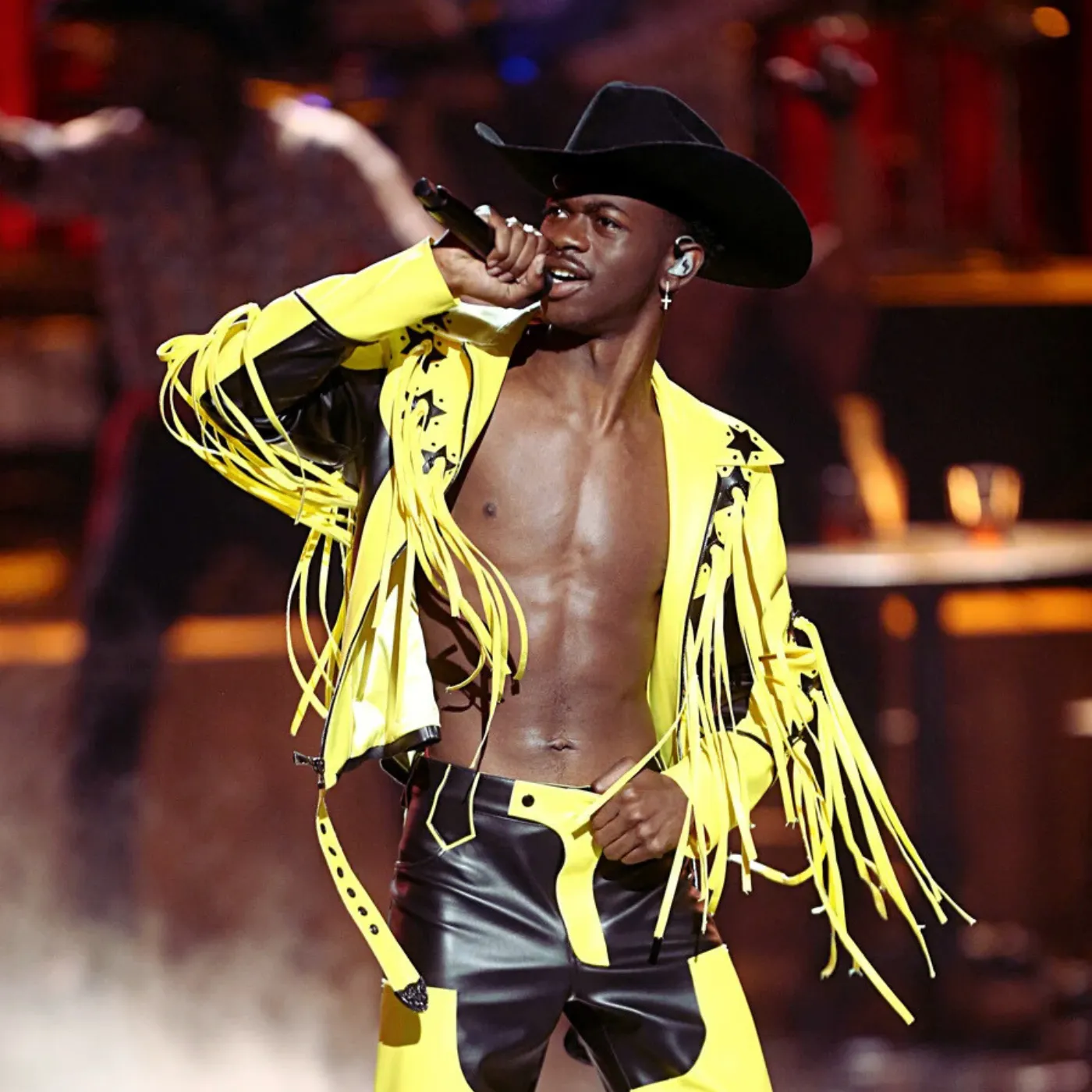
This is where Lil Nas X excelled. He wasn’t just releasing a song. He was building a cultural event. Every week brought something new—a remix with Diplo, a music video with animated horses, and live performances that broke the mold. He kept the moment alive by never letting the narrative die. Even controversy became part of the strategy. Every attack, every snub, every questionable take was flipped into content. He wasn’t reacting. He was orchestrating.
The Meme Engine That Couldn’t Be Stopped
While critics debated the artistic merit of a song built around a banjo loop and trap drums, fans were living inside the story. Kids sang it at school. Teachers used it for lesson plans. Sports teams played it in stadiums. Parents shared it with their children. For months, the world had a shared soundtrack—and it came from a kid who just wanted to be heard.
Years later, the legacy of “Old Town Road” isn’t just its chart record. It’s the fact that it broke the barrier between the artist and the algorithm. It proved that cultural capital could be generated online, without filters, without gatekeepers, and without permission. And it showed a generation of creators that the rules are made to be bent, broken, or ignored entirely.
Lil Nas X became a symbol of what’s possible when an artist takes full control of the narrative. Not just the music, but the memes. Not just the charts, but the chaos. He didn’t try to fit in. He dared to make the world shift around him.
A Song That Refused to Fade
Some will continue to downplay his impact. They’ll call it a fluke. They’ll say it was just a one-hit wonder. But the data says otherwise. The movement says otherwise. And the culture—still quoting, remixing, and referencing “Old Town Road” years later—says otherwise.
In an era drowning in content, the songs that matter are the ones that mean something to the people. And for millions of listeners, “Old Town Road” meant freedom. It meant fun. It meant possibility.
It meant the future had finally arrived—and it was wearing a cowboy hat.
Lil Nas X didn’t just ride into history. He kicked down the doors, laughed at the rules, and turned a viral moment into an empire.
And whether you liked the song or not, you were part of it. That’s the power of a hit that refuses to follow the script. That’s the power of a story that writes itself. And that’s exactly why “Old Town Road” will never be forgotten.